Buyer Decision Guide
"New construction or resale" is one of the first real forks in the road for almost every Miami condo buyer — and right now, in this specific market, it isn't just a taste question. It affects your reserve exposure, your financing options, and how exposed you are to Florida's post-Surfside assessment wave.

Price
The Sticker Price Isn't the Whole Story
New construction almost always carries a higher price per square foot than a comparable resale unit nearby — you're paying for current finishes, a fresh building, and, if you buy pre-construction, the ability to lock in today's price years before delivery. Resale looks cheaper on the listing price. But in a building with underfunded reserves, that "cheaper" resale unit can come with a special assessment that erases the discount entirely and then some — we've seen documented cases of $130,000–$400,000 per unit in older Miami-Dade buildings this year alone. The honest comparison isn't purchase price vs. purchase price; it's total cost of ownership over the years you'll hold it.
Reserves & Risk
The Post-Surfside Reality Changed This Comparison
This is the part of the decision that's genuinely different than it was five years ago. Florida law now requires a Structural Integrity Reserve Study at developer turnover, meaning a new building starts fully reserve-funded under current rules from day one — it doesn't inherit decades of a board voting to underfund reserves to keep fees low, which is exactly the pattern behind the worst resale assessments today. A resale unit in an older building can still be an excellent choice, but it comes with real diligence homework: pulling the association's reserve funding percentage, its most recent milestone inspection, and its litigation history before you make an offer, not after.
Financing
Can You Even Get a Mortgage on This Building?
This gets overlooked constantly: an older building can end up on Fannie Mae's or Freddie Mac's condo ineligibility list over underfunded reserves, deferred-maintenance findings, or unresolved litigation — cutting off the largest pool of conventional financing for any buyer after you, which matters enormously when you eventually sell. A new building starts with none of that history. It's not a guarantee it'll never happen, but it's starting the clock today under a legal framework built specifically to prevent it.
What You Actually Get
Space, Timing, and What's Already There
Factor | New Construction | Resale |
|---|---|---|
Move-in timing | Can be 2–4 years out if buying pre-construction | Immediate, or close to it |
Price per sq ft | Typically higher | Typically lower, before assessment risk |
Reserve funding | Fully funded from turnover, by law | Varies widely — must verify directly |
Financing risk | Low — no deferred-maintenance history | Varies — check Fannie/Freddie eligibility |
Customization | Often possible pre-delivery | None — you're buying as-is |
Established feel | No landscaping/patina yet | Mature building, established community |
The Real Question
Not "which is better" —
which risk are you better positioned to take on?
Where New Construction Stands Today
Active Projects Worth Comparing Against Resale Options

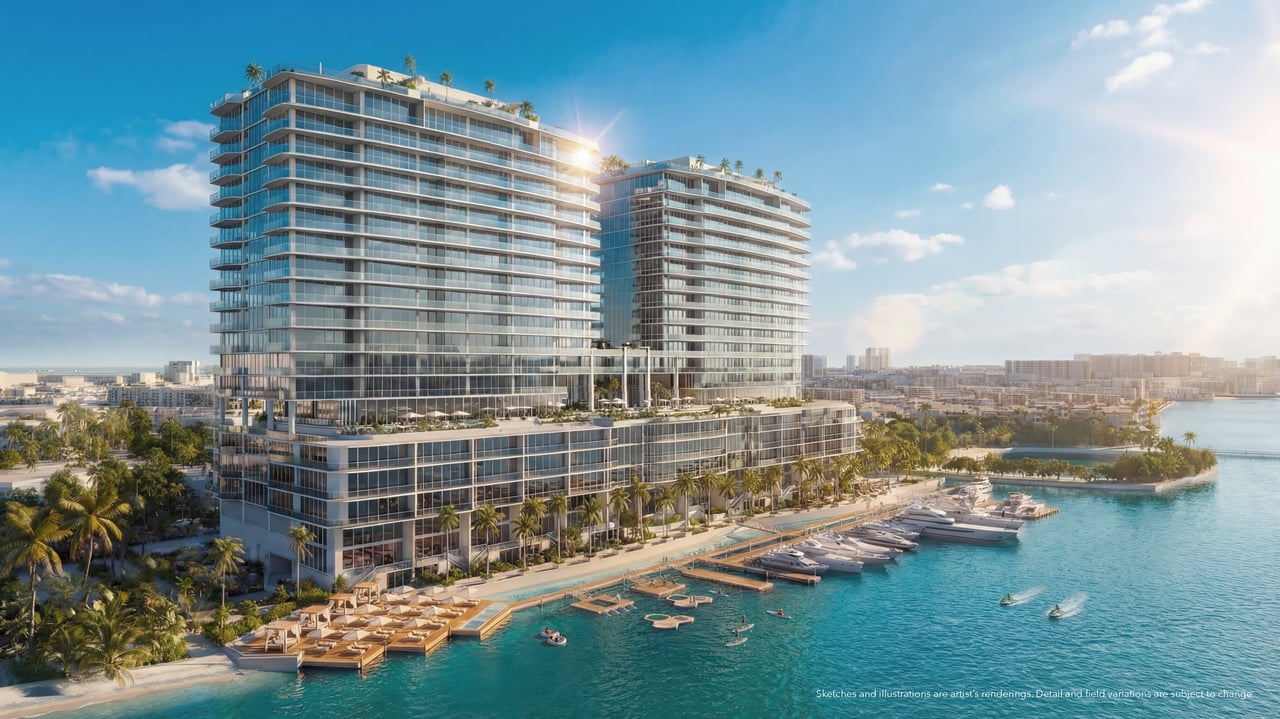
232 residences, current reserve standard from day one.

New-construction, fully funded reserves built in from the start.
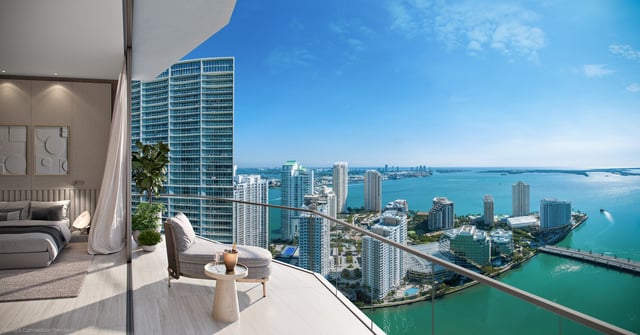
Hotel-grade, current code, leaseback flexibility.

198 residences from the team behind the original Continuum South Beach — waterfront, current reserve standard, expected 2027.
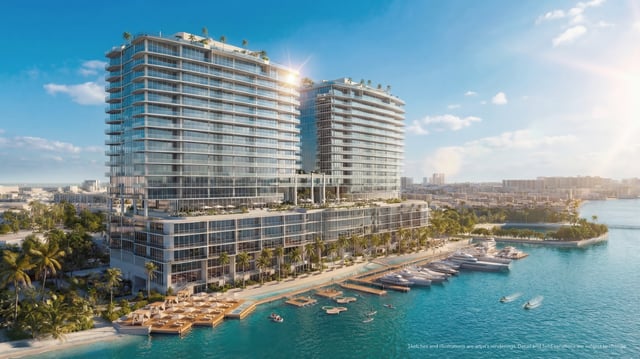
263 residences on Indian Creek, sport- and wellness-focused, expected 2030 — full reserve funding from turnover.
See the full current slate on New Developments, or browse resale inventory across the city on Property Search.
Bottom Line
Which One Should You Actually Choose?
If you want price certainty on total cost of ownership, minimal diligence burden, and don't mind waiting on delivery if buying pre-construction, new construction is the lower-friction path. If you want to move in now, want an established neighborhood feel, and are willing to do the reserve and litigation diligence properly — which I run for every resale client before they make an offer — resale can still be an excellent value, sometimes a better one. The mistake is choosing based on price alone without knowing which risk you're actually taking on.
Weighing a Specific Building?
Send me the building — new or resale — and I'll pull the reserve status, financing eligibility, and true cost picture before you decide.