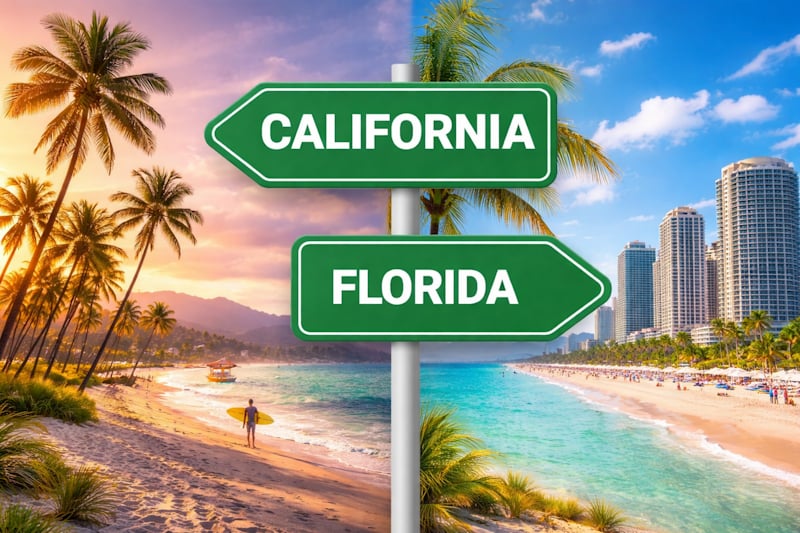
A wave of West Coast wealth has landed in South Florida this year, and it isn't subtle. Google co-founders Larry Page and Sergey Brin, and former Starbucks CEO Howard Schultz, have all bought significant property in Miami in 2026 — and Google itself just quadrupled its Miami office footprint alongside them. The timing lines up closely with a California ballot measure headed to voters in November — though, as I'll get into below, at least one of these three buyers has explicitly said the tax isn't why he moved, and the "founders fled California" story is more nuanced than the headlines suggest.
The Trigger
What's Actually Driving This
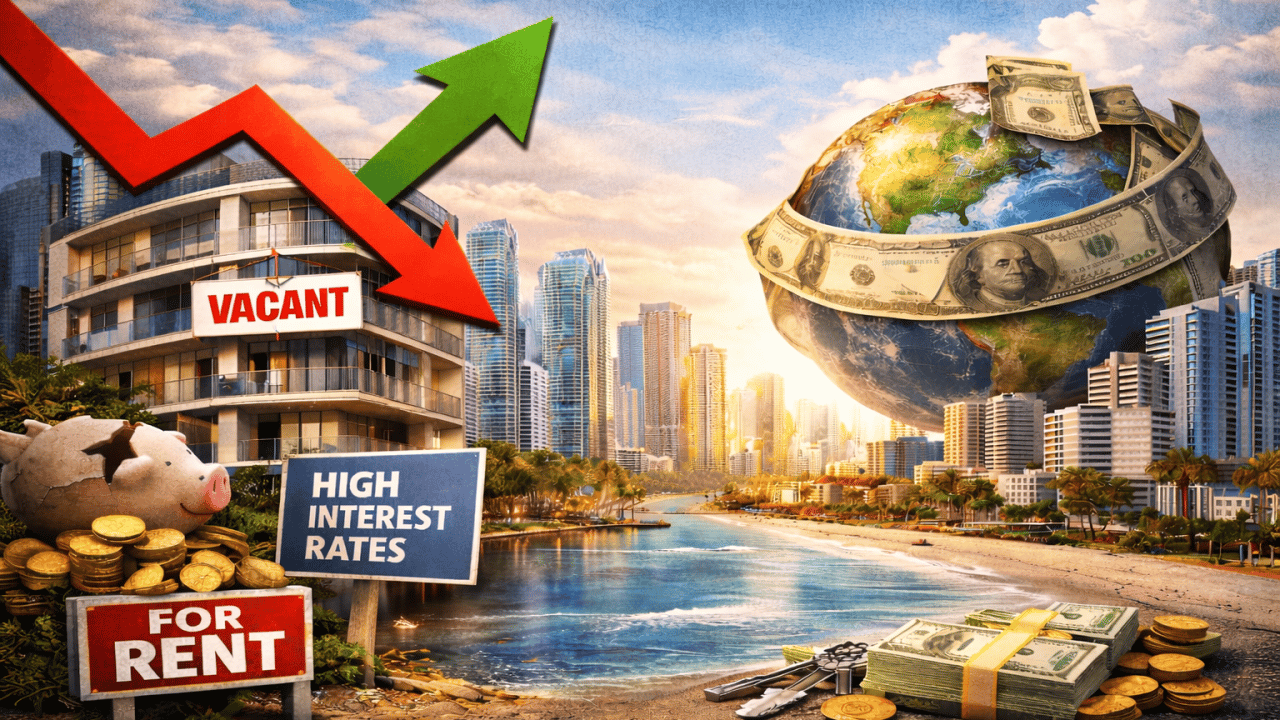
The measure is officially the One-Time Wealth Tax for State-Funded Health Care Programs Initiative — commonly called the California Billionaire Tax. It would impose a one-time 5% tax on the accumulated net worth of California residents worth over $1 billion, tied to residency after January 1, 2026. It qualified for the ballot on June 17, 2026 with just under a million valid signatures and goes before voters on November 3, 2026. Backers (SEIU-UHW) estimate it could raise $100 billion; California's own Legislative Analyst's Office is far more conservative, projecting "tens of billions... collected over several years," partly offset by the income-tax revenue the state loses as billionaires relocate ahead of it. Polling through mid-2026 has been genuinely volatile — support has ranged from 41% to 60% depending on the survey — so treat this as unresolved, not a foregone conclusion either way.
Page and Brin both moved their residency and, in Page's case, his family office and research fund out of California ahead of the January 1 cutoff — timing multiple real estate sources tied directly to the proposed tax. A back-of-the-envelope calculation (not an official figure) puts their combined exposure, plus that of Travis Kalanick and Peter Thiel, at roughly $29 billion in tax revenue the state may not collect if the measure passes, simply because the people it targets already left.
Schultz's case is the one to be careful with. Washington State's legislature passed a nearly 10% tax on personal earnings above $1 million in March 2026, and the timing of his exit from Seattle — after 44 years there — lines up with it almost to the week. But Schultz himself didn't cite the tax when he announced the move: he pointed to retirement and family, saying, "We have moved to Miami for our next adventure together. We are enjoying the sunshine of South Florida and its allure to our kids on the East Coast as they raise families of their own." I'm presenting this as a striking coincidence in timing, not a confirmed cause — Schultz gets to say why he moved, and he didn't say it was the tax.
Where It's Landing
Coconut Grove and Miami Beach Are the Beneficiaries
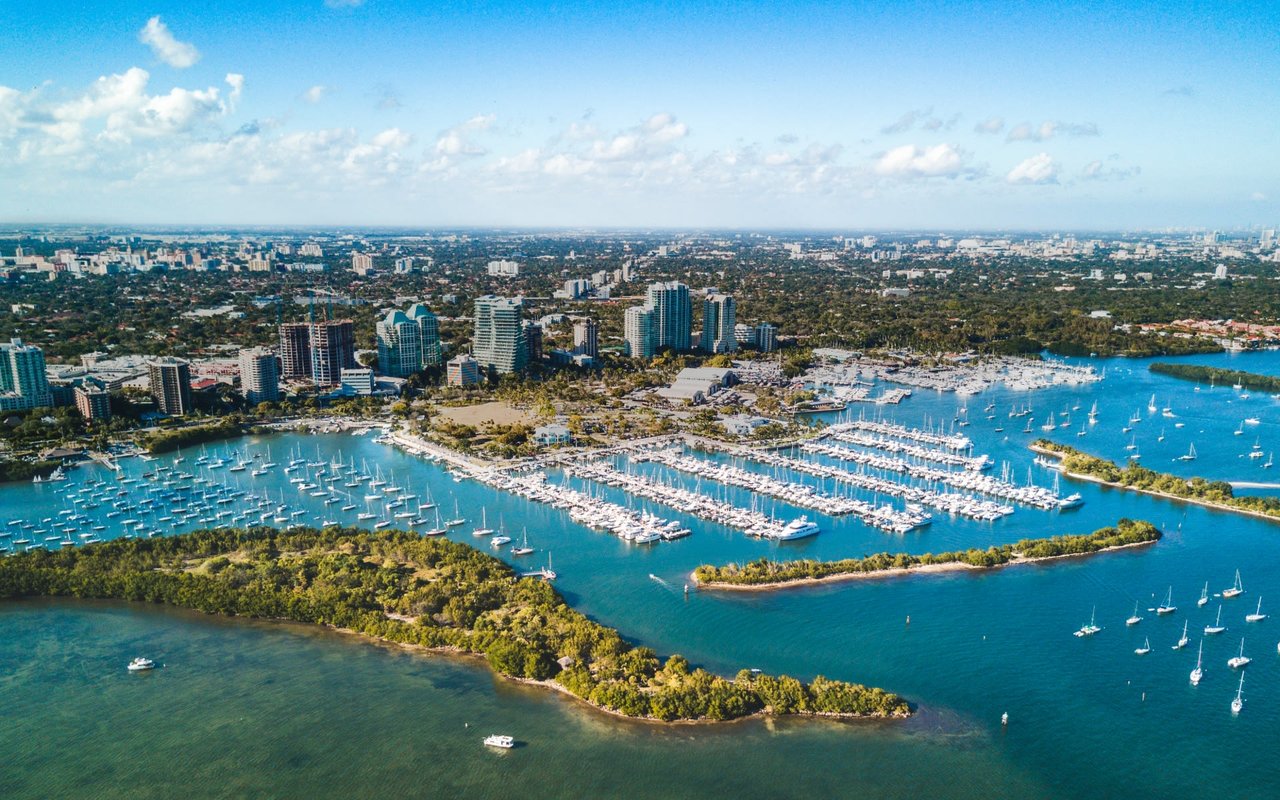
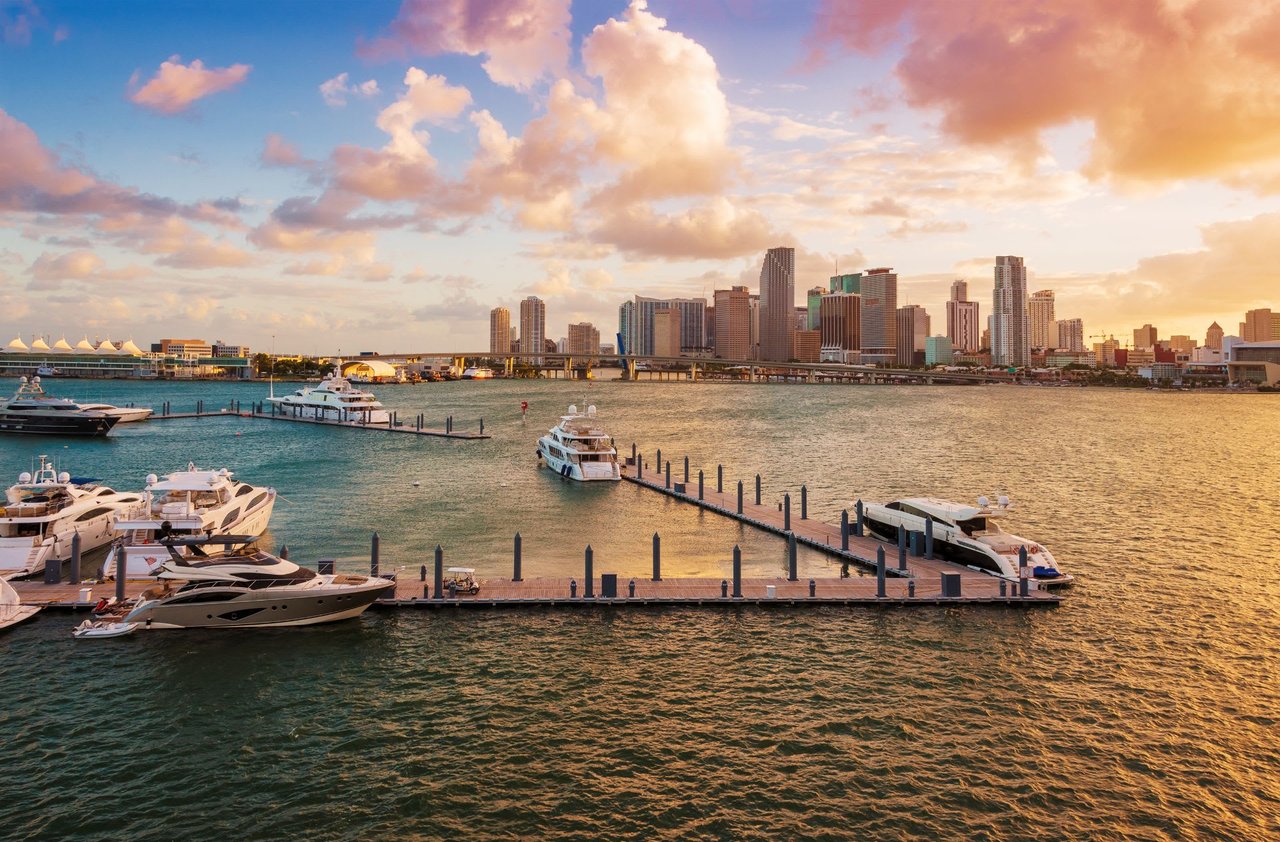
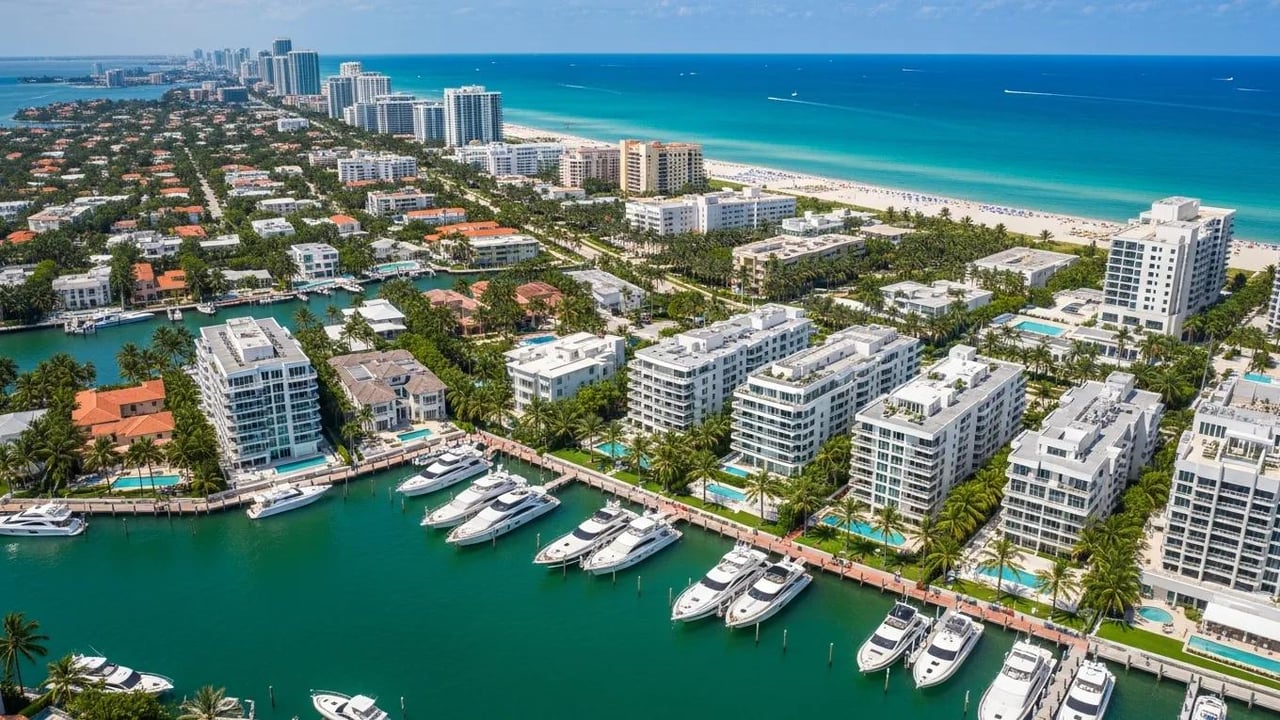
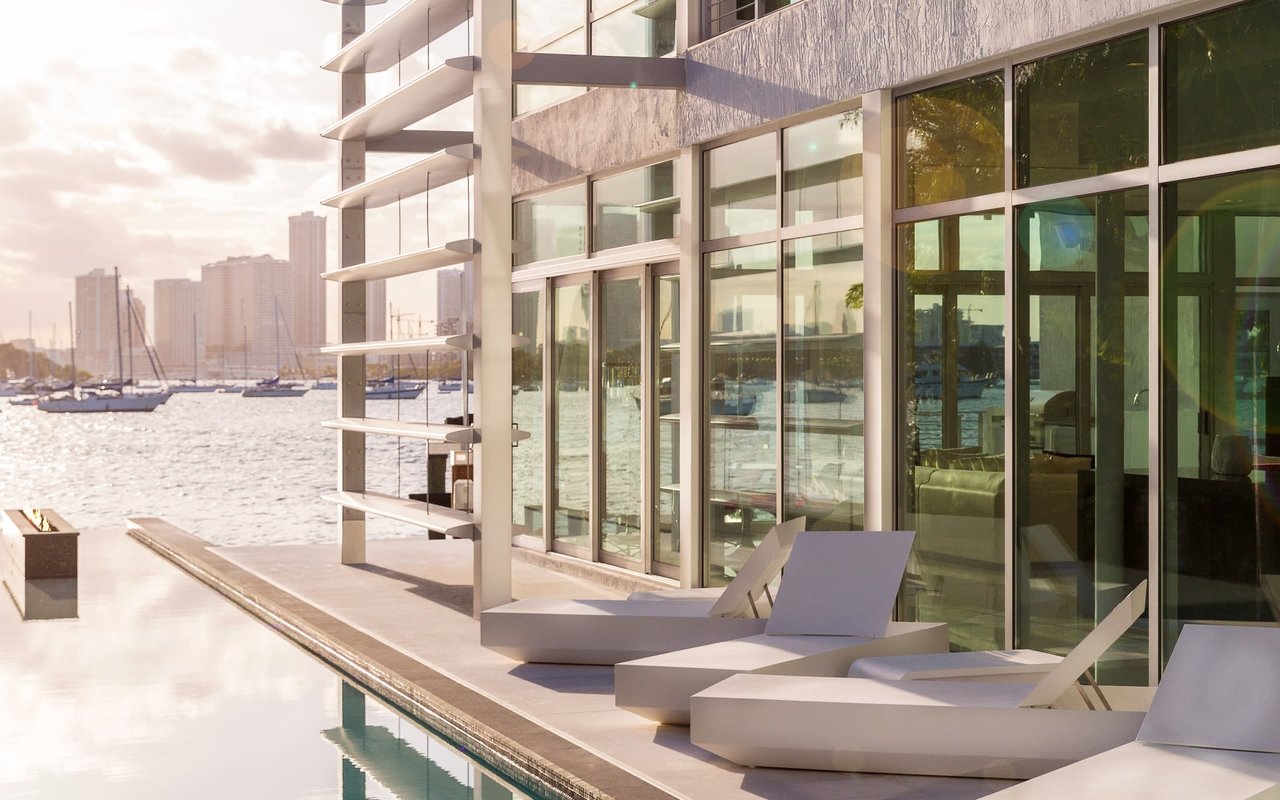
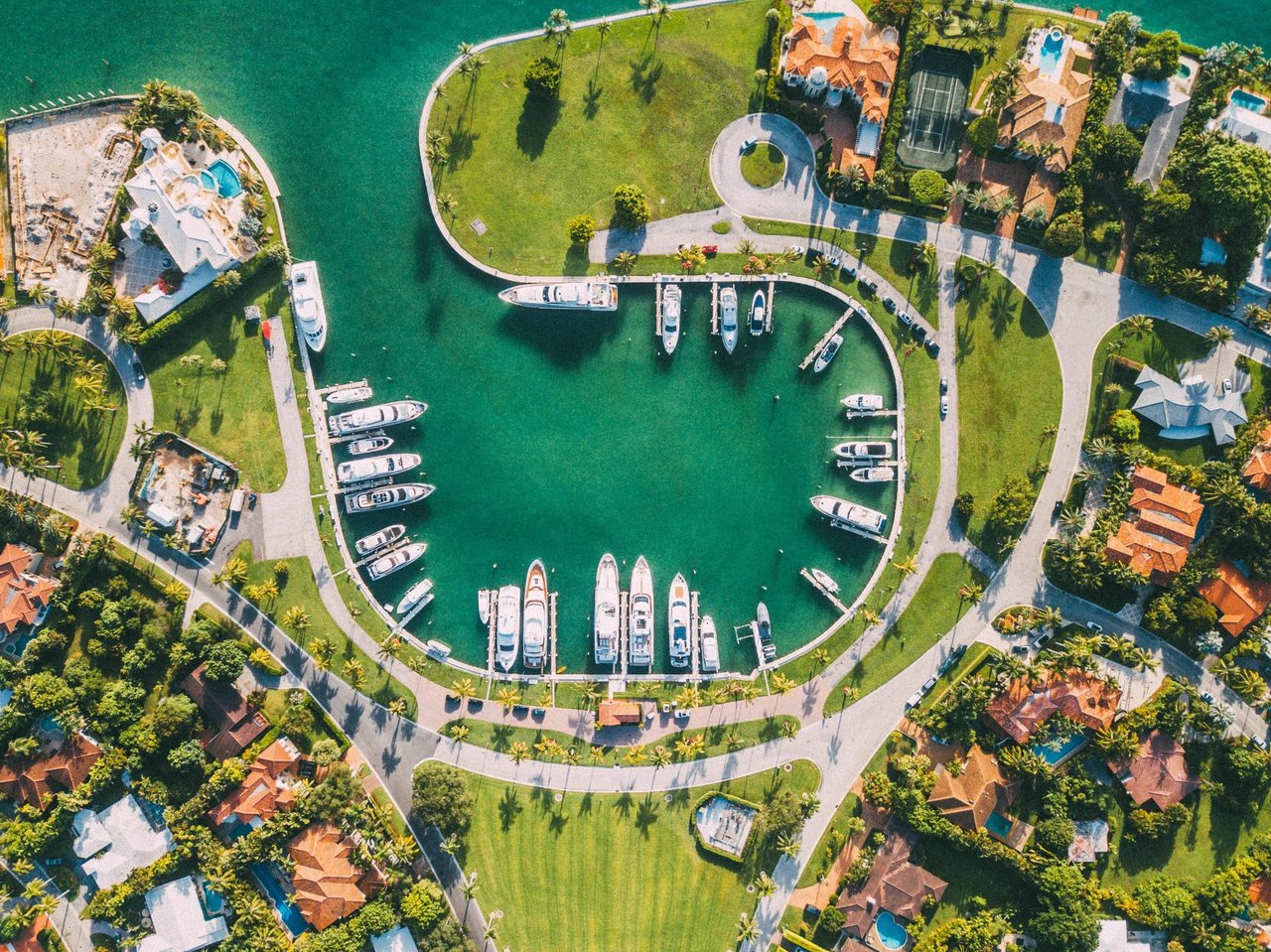
Page has spent roughly $188 million across three purchases: a $101.5 million, 4.5-acre waterfront compound on Biscayne Bay — pairing a 1920s Mediterranean home originally built for Secretary of State William Jennings Bryan with a modern 2002 residence, bought from restaurateur Jonathan Lewis; a $71.9 million off-market property less than a mile away, bought from Sloan Lindemann Barnett; and a $14.97 million property at 3320 Devon Road that abuts the first, bought weeks later. Together they read less like separate purchases and more like a compound being assembled one adjacent lot at a time.
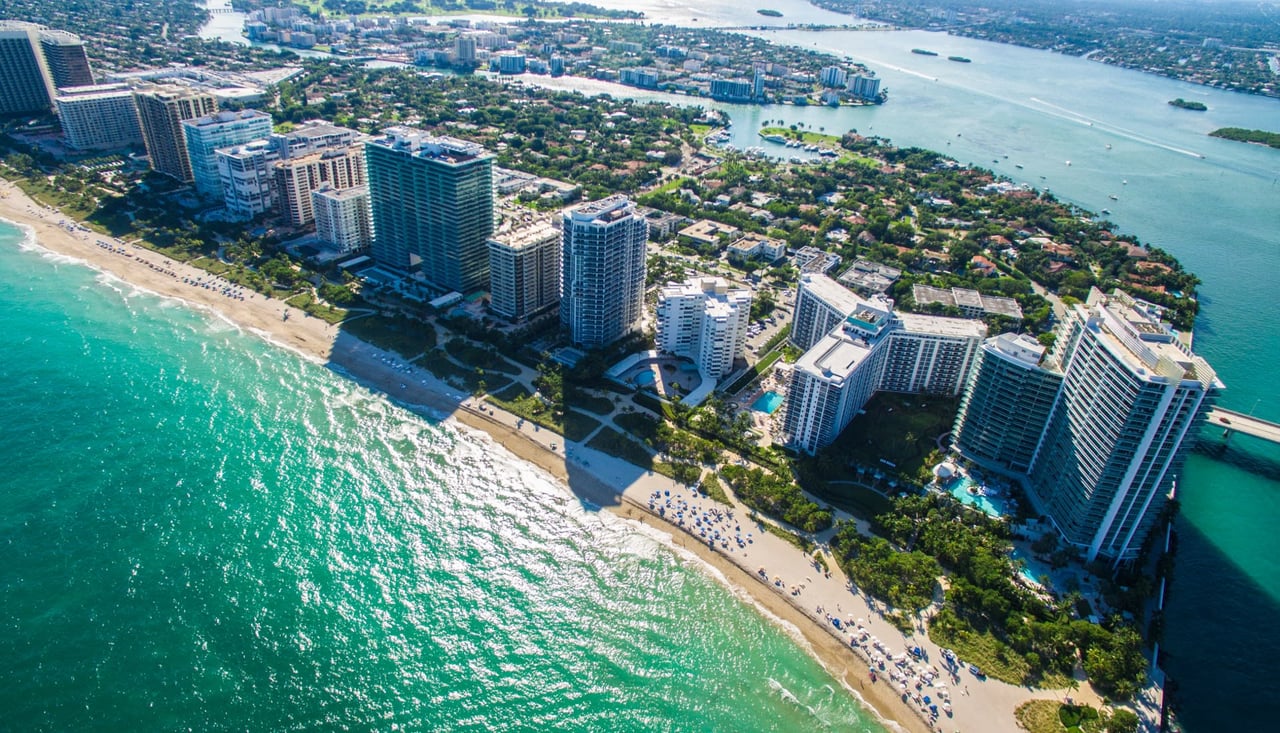
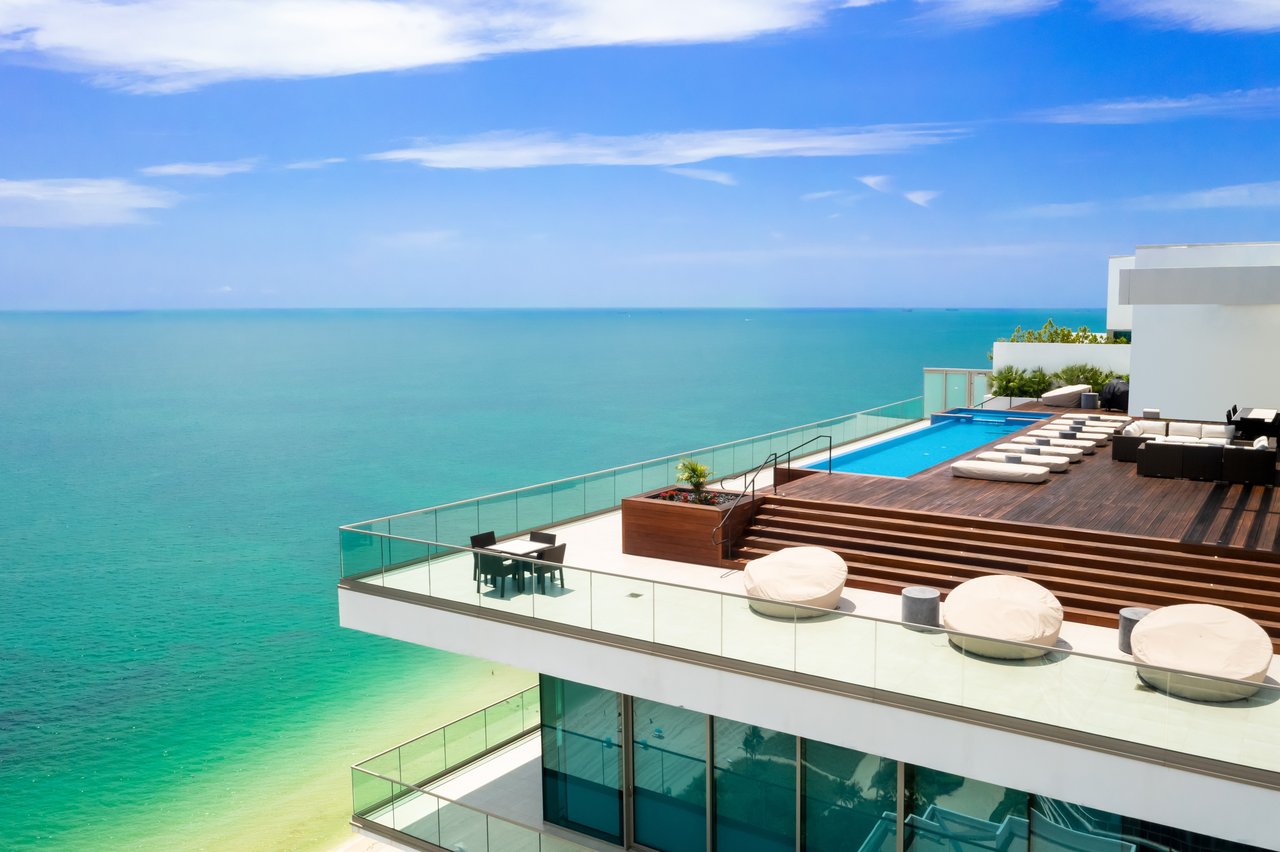
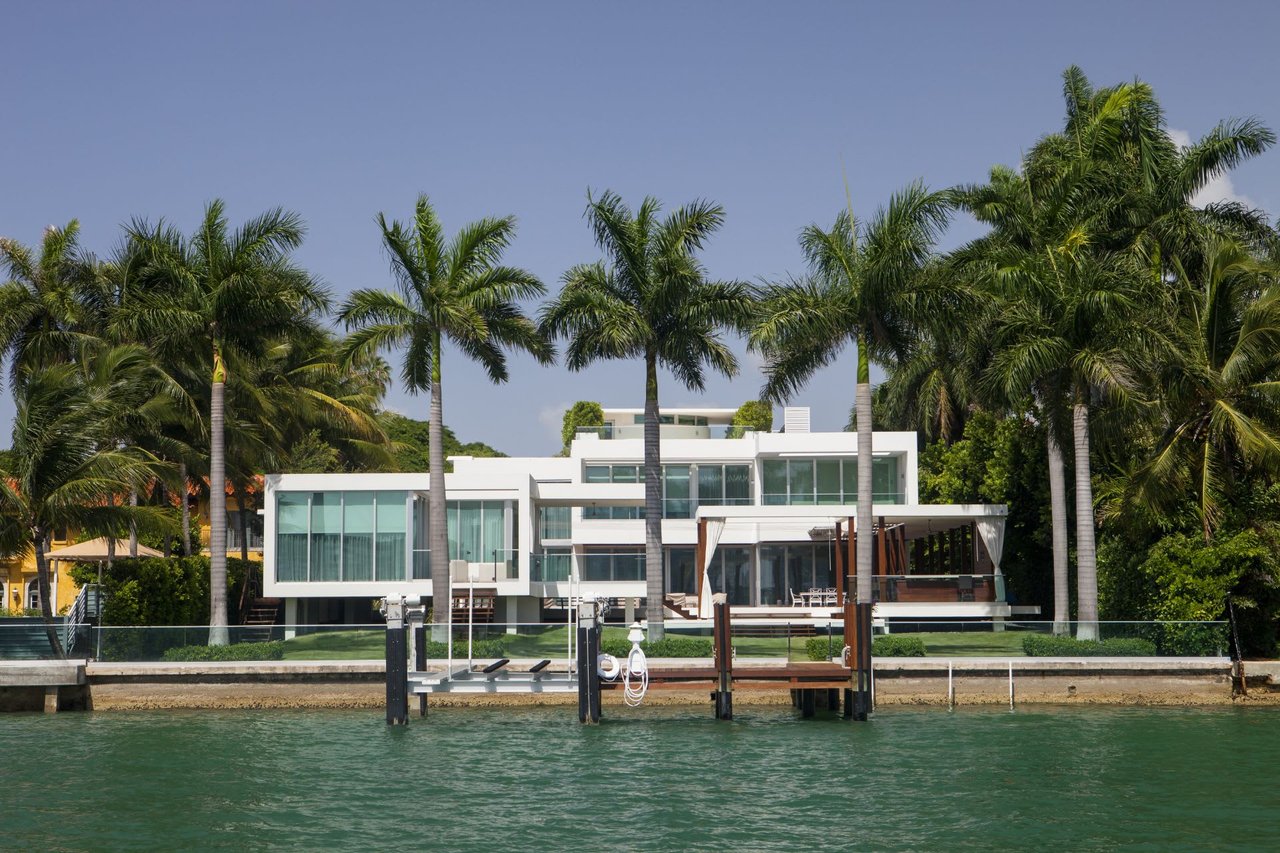
Brin bought a $51 million, 9,700-square-foot home at 6596 Allison Road on Allison Island — a private island of fewer than 50 homes — from LVMH Americas CEO Michael Burke and his wife, who had owned the land since 2014 and built the current house in 2019. The property has seven bedrooms, a waterfront pool, and a private dock. Schultz and his wife bought a 5,500-square-foot penthouse at the Four Seasons Private Residences at the Surf Club in Surfside, with a rooftop terrace and oceanfront cabana.
The Pattern
This isn't billionaires visiting Florida.
It's billionaires relocating their tax base to it.
Beyond the Real Estate
What This Means for Google Itself
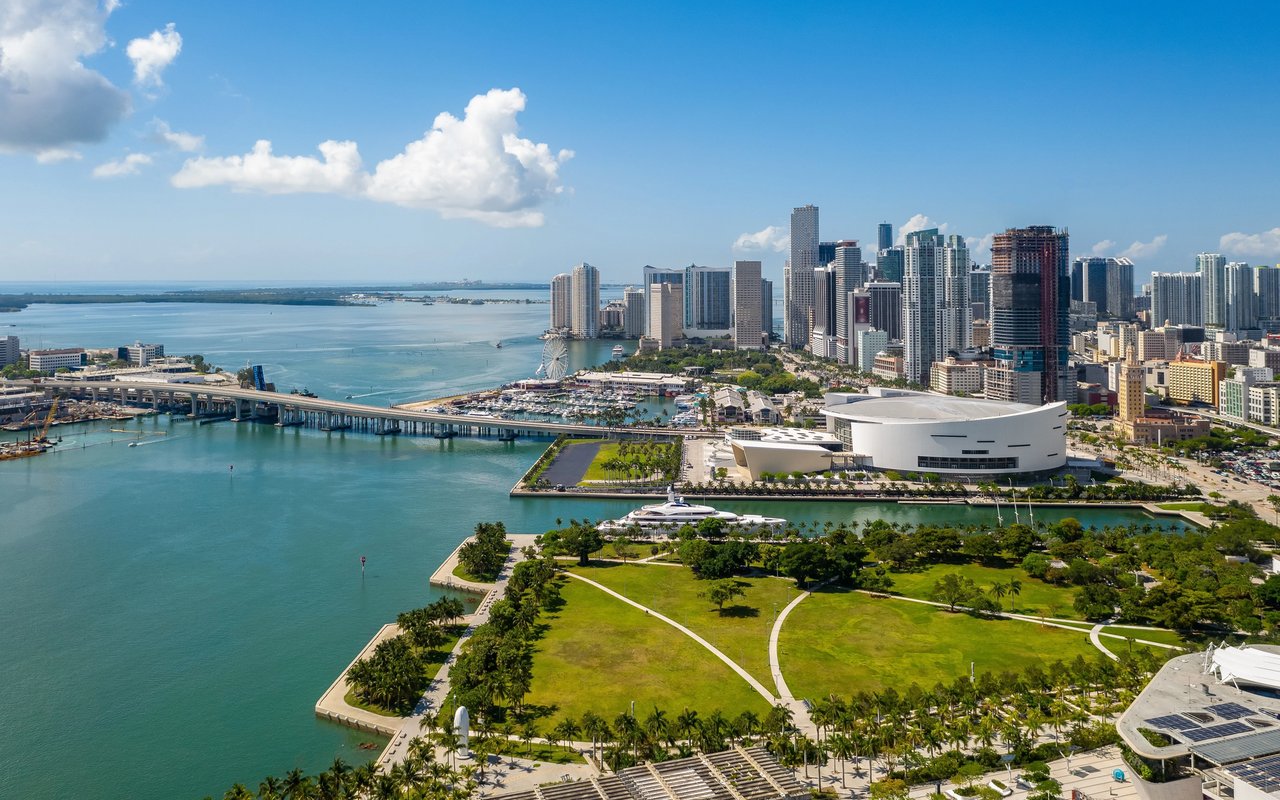
Here's where the story gets more interesting than two men buying houses: Google's own footprint in Miami is expanding alongside its founders' real estate. Alphabet signed a lease this spring that roughly quadruples its Miami office — from about 10,000 square feet to approximately 45,000 square feet — at 1450 Brickell Avenue, complete with a fitness center, rooftop terrace, and Biscayne Bay views. The stated rationale echoes the personal one: no personal income tax and, in the company's words, a "business-friendly regulatory environment." Page's family office has also reportedly taken office space in Coconut Grove, close to his new compound — though I'd treat the office-lease specifics as reported rather than confirmed, since I could only verify this through secondary coverage, not a primary filing.
What this isn't, at least not yet: proof that either founder is relocating operationally. Brin, despite the Miami purchase, is reported to still be based day-to-day in Mountain View, California — he holds no formal executive title at Google, but has become deeply hands-on with Gemini development, reportedly working out of a converted space at Google's DeepMind campus and pushing for faster AI progress. His real estate also tells a more diversified story than the headlines suggest: of his roughly $197–200 million property portfolio, only about a quarter (the $51M Allison Island home) is in Florida — roughly half is still in Malibu, California, and the rest is in Nevada. So while the tax-driven residency and entity moves appear real, "Sergey Brin left California" would overstate what's actually happened to his day-to-day life and his broader property holdings.

Howard Schultz's Miami Chapter
What He's Actually Doing Now
Schultz's post-Starbucks life is taking shape in Miami, not just his address. In September 2026, he joined Pivot25 Productions — the media company behind The Pivot Podcast, which launched on Netflix that same month and has built an audience of 1.4 million YouTube subscribers and over 480 million views — as an investor and strategic partner, working alongside former ESPN analyst Ryan Clark. Schultz framed it in terms of where media is heading, not real estate or tax policy: "We are living through a profound transformation in media. Audiences are increasingly choosing people and platforms they trust over traditional institutions." Combined with his own stated reasons for the move — retirement, and proximity to children on the East Coast — the picture is someone building a genuinely new chapter here, not simply relocating a tax address.
Why It Matters
What This Signals for the Market
Florida's zero state income tax and zero capital gains tax have always been part of its pitch. What's changed is the trigger: specific, dated tax policy in California and Washington is pulling forward decisions that might otherwise have happened gradually. Miami-based real estate advisor Dina Goldentayer put it bluntly to Fox Business: "Billionaires from California and New York are done with high taxes and heavy regulation." Another agent quoted in the same piece framed the timing directly: "The newest wave is coming from the West Coast, people who want to get ahead of the proposed California billionaire tax and set themselves up in Florida now."
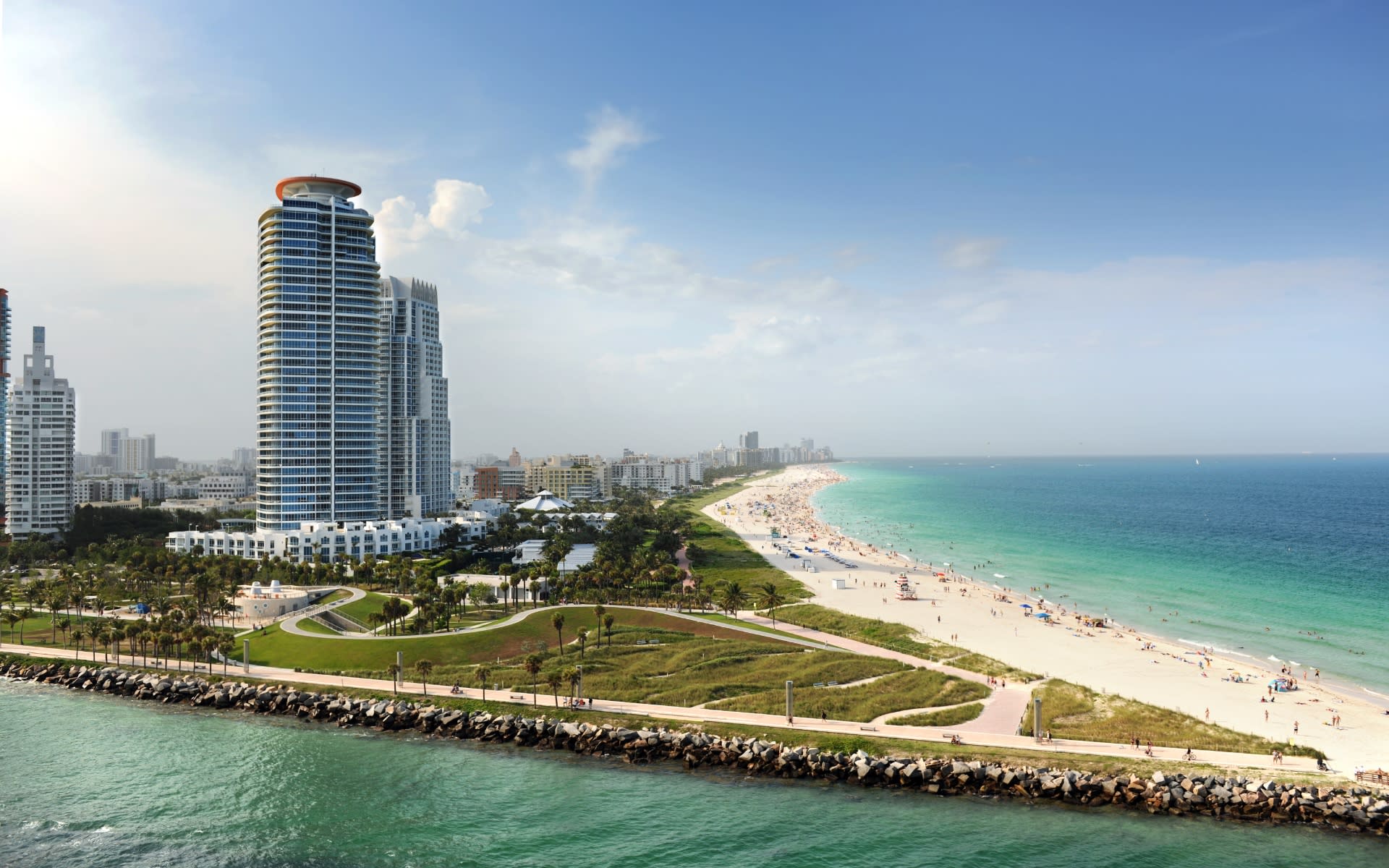
That's compressing years of relocation demand into a single buying season — concentrated heavily in Coconut Grove and the barrier islands around Miami Beach, where privacy, waterfront access, and 24-hour security define the product these buyers are looking for.
See the full neighborhood profile for Coconut Grove, where Page has built his compound — including The WELL Coconut Grove, one of the neighborhood's featured new developments, for buyers looking to enter the same area at a different price point. Schultz's purchase sits in Surfside, and while Allison Island isn't its own listed guide, it sits within the broader Miami Beach waterfront corridor covered there. If this kind of relocation is on your radar, our investor services page covers the practical side — structuring, timing, and cross-border considerations — beyond just finding the house.
One More Thing
Why This Is Exactly the Moment to Have a Local Agent
Every purchase in this piece closed off-market, through an entity, or both: Brin bought through a Nevada LLC; Page's team used a revocable trust; Schultz's penthouse and the surrounding new-money wave are drawing buyers into inventory that's rarely publicly listed at all, on islands with fewer than 50 homes. That's not incidental — at this level, the properties that actually matter often never hit a public search. Add a hard January 1 tax-residency deadline, and the calculus becomes genuinely time-sensitive: buyers who wait for listings to appear on a portal are competing for what's left over.
That's the case for working with someone who already has relationships in these micro-markets, understands how entity structuring interacts with Florida residency rules, and can move on a property before it's public. It's also worth having someone who can tell you honestly when a headline is overstating the story — as with Brin's still-primarily-Californian footprint above. I'd rather tell a client the nuanced version upfront than have them find out later that the simple version was wrong.
Watching Where This Capital Lands Next?
If you're relocating from a high-tax state or exploring Miami as a second home, I can walk you through the neighborhoods where this wave of buyers is concentrating — and the off-market side of the market that doesn't show up in a search.
Search Properties → Coconut Grove Guide → Investor Services → Contact Marion →