Coconut Grove vs. Coral Gables: Which Neighborhood Is Right for You?
By Marion Ott, P.A. — Douglas Elliman Real Estate
Coconut Grove and Coral Gables sit within minutes of each other, share a reputation for prestige, tree-lined streets, and long-term value — and yet feel like entirely different worlds once you spend real time in each one. Choosing between them is rarely a simple real estate decision. It's a question of daily rhythm, architecture, privacy, and how you actually want your life in Miami to feel.
This guide breaks down the real differences — not just the marketing language — so you can decide which one is the right fit for your lifestyle, your family, and your long-term plans.
The Core Difference
Lush, informal, and village-like. A waterfront neighborhood within the City of Miami, set on Biscayne Bay. Best days often feel unplanned — coffee, shaded streets, ending up near the water without a fixed itinerary.
Composed, civic, and classically planned. A completely separate municipality with its own government, developed by George Merrick in the 1920s as a "City Beautiful." Rewards intentionality — a structured grid, established dining, and consistency.
Coconut Grove
What Makes Coconut Grove Distinct
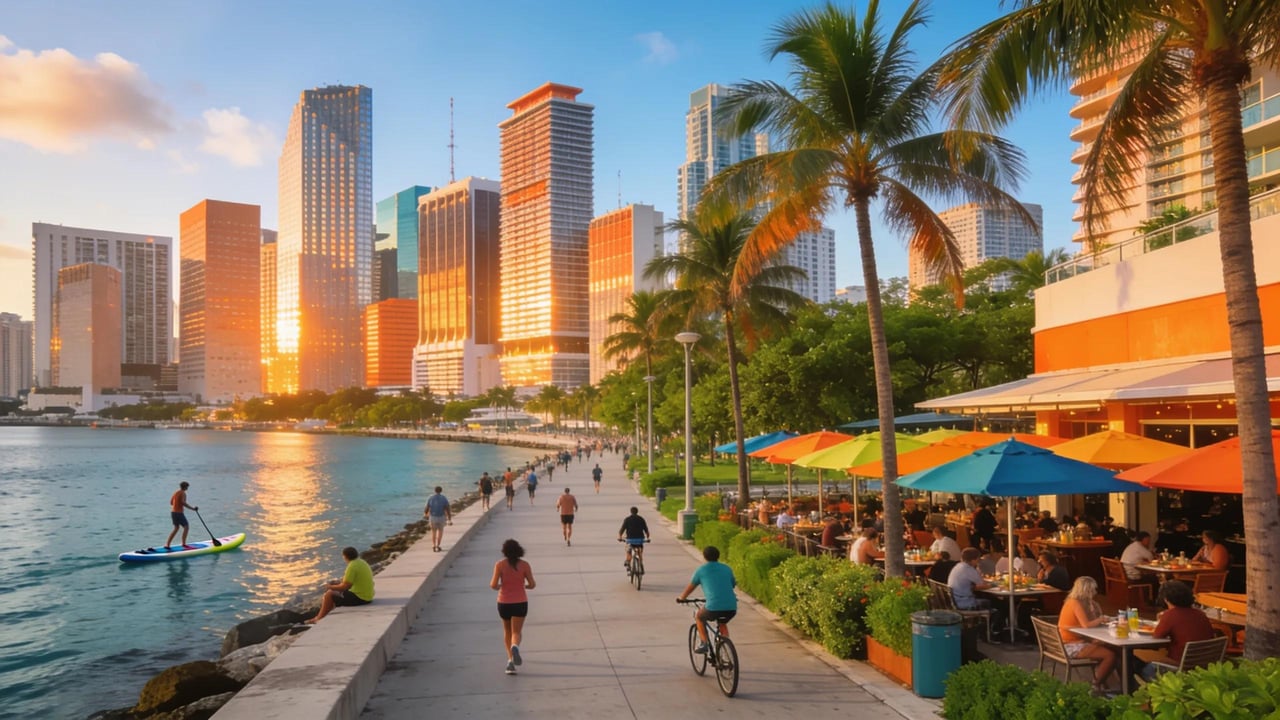
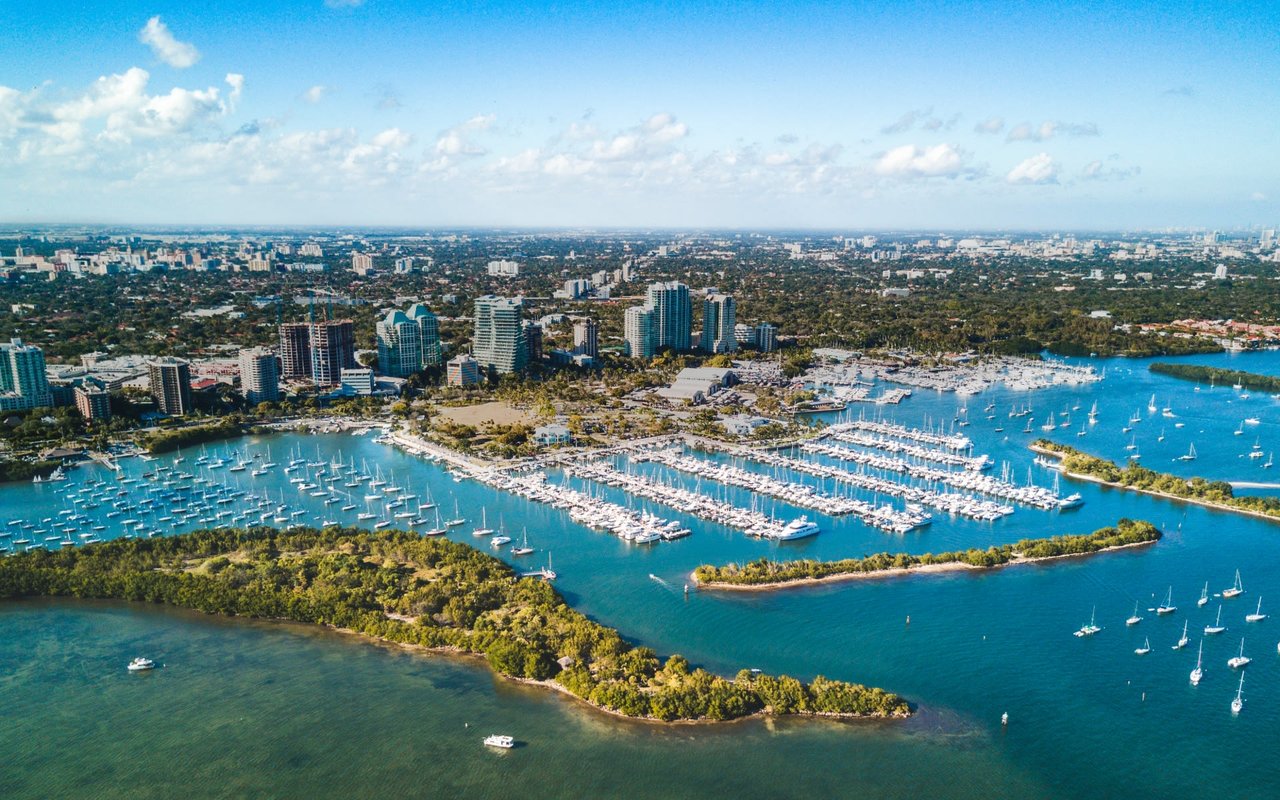
Coconut Grove is Miami's oldest continuously inhabited neighborhood and one of its most naturally lush. The streets wind through a thick tropical canopy — peacocks roam some sidewalks — and the whole area feels like a walkable village that happens to sit along Biscayne Bay. Its Bahamian-rooted history gives it a character that feels grown rather than designed.
Buyers drawn to the Grove typically prioritize privacy through greenery rather than through formal rules, generous outdoor space, and a less formal relationship between home and neighborhood. It's often chosen by families and individuals who want Miami to feel less linear and more layered — where an evening doesn't require crossing the city, and low-rise living is the point rather than a compromise.

Coconut Grove's Real Estate Character
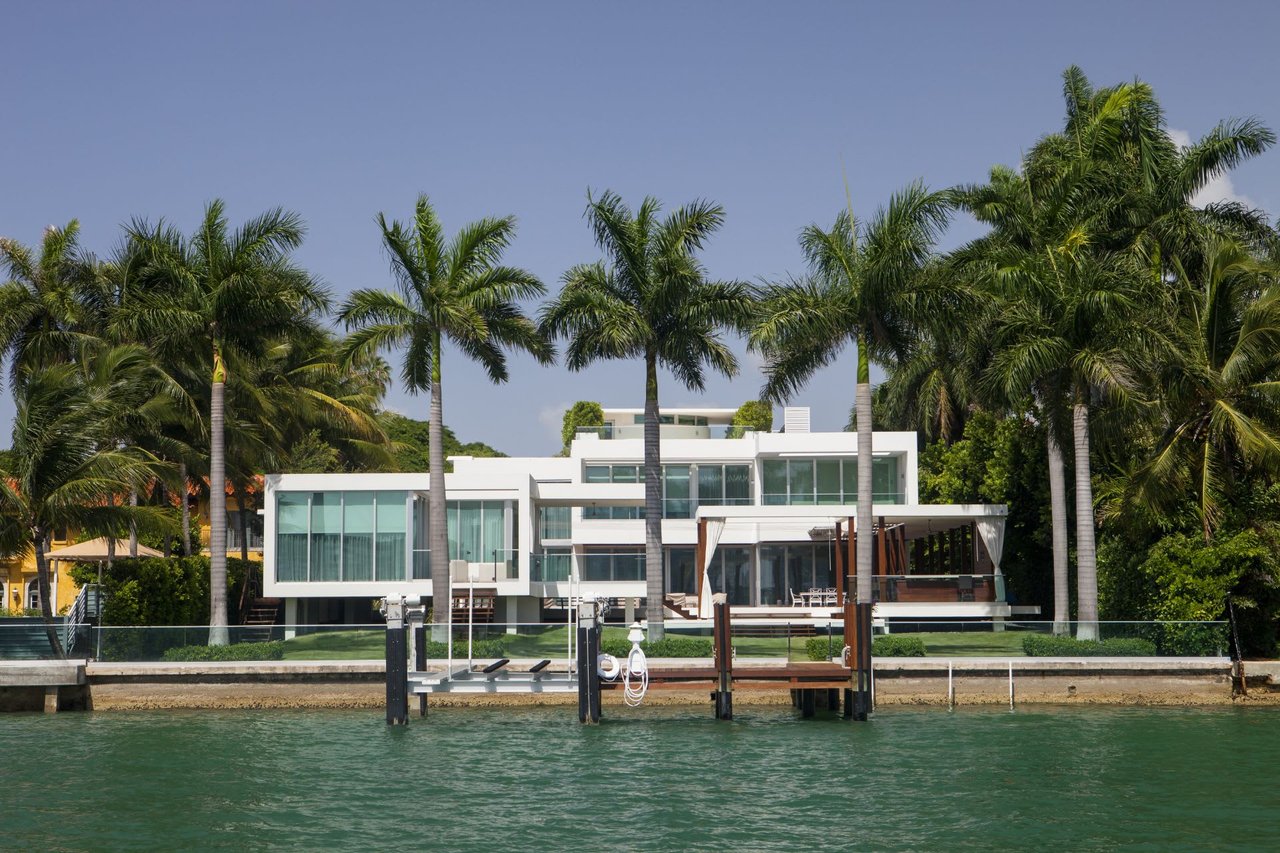
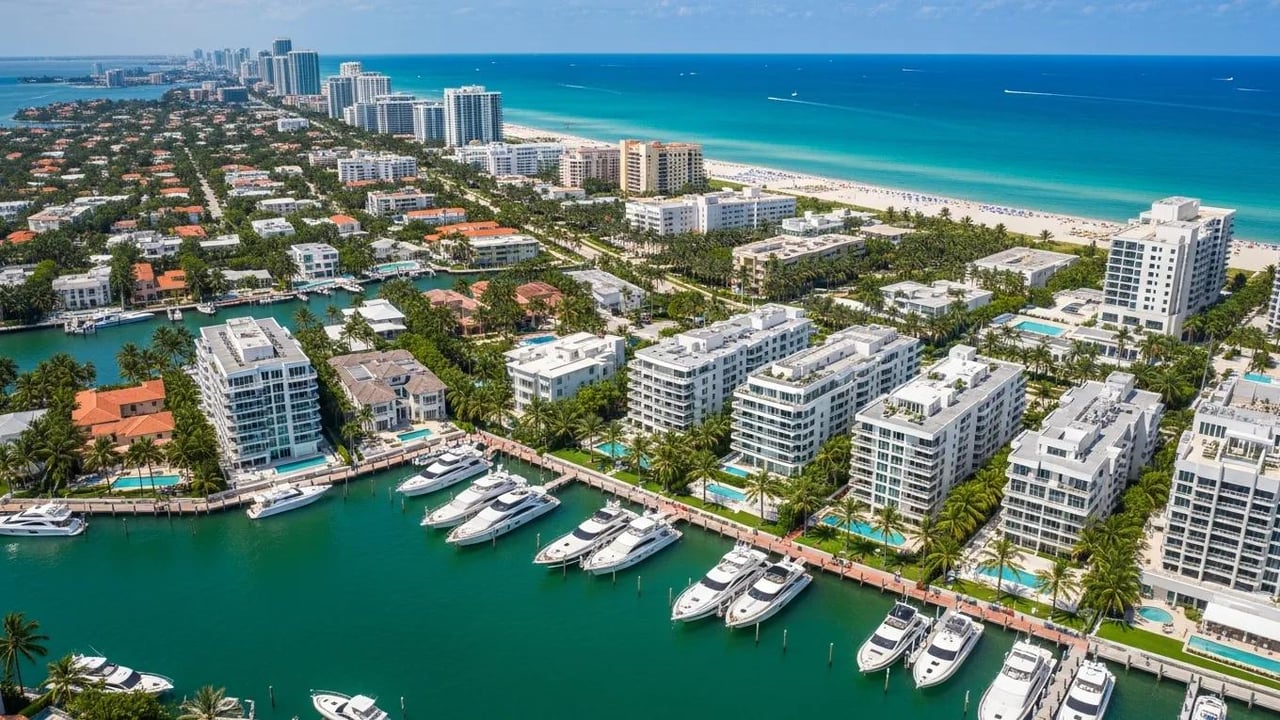
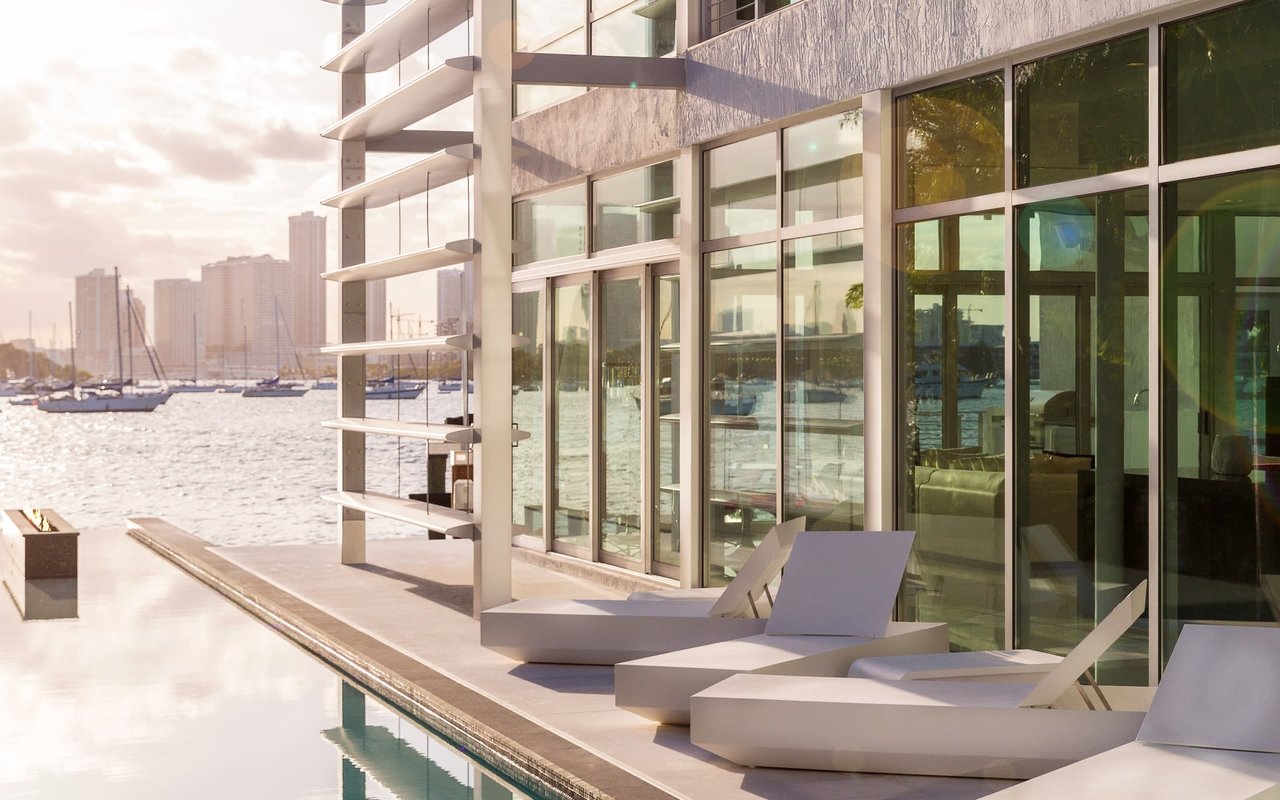
The Grove offers a diverse mix — single-family homes, townhouses, and luxury condos along sparkling Biscayne Bay. Waterfront and bay-view properties here can run 30% to 40% higher than comparable homes in Coral Gables, a premium driven by the neighborhood's direct bayfront position and limited waterfront inventory.
Coral Gables
What Makes Coral Gables Distinct
Coral Gables was the third municipality incorporated in Miami-Dade County, and it shows — every element of the city was planned from the start, and that vision still shapes the neighborhood today. Mediterranean Revival architecture, manicured streets, and centralized architectural review create a consistency the Grove doesn't attempt.
The daily loop in the Gables often moves between established dining, offices, and social commitments within a structured grid — park once, step into a polished environment, and count on consistency. For families, that legibility often matters as much as school zones: a highly organized daily map that reduces friction.
Coral Gables' Real Estate Character
Coral Gables offers a broader range of housing stock than the Grove, which means more options at different price points — from historic 1920s estates to modern condominiums. It's also home to the University of Miami and consistently ranks among the area's top school zones, a major draw for families prioritizing consistency over village charm.
Side by Side
How They Compare
Coconut Grove wins for village walkability — CocoWalk, the marina, and bayfront parks are all reachable on foot. Coral Gables is walkable in pockets (Miracle Mile, Merrick Park) but more spread out in residential areas.
Coral Gables delivers more consistent privacy through architectural review and zoning. Coconut Grove's privacy is real but uneven — dependent on landscaping and specific streets rather than a governing framework.
Coconut Grove is eclectic — historic cottages beside modern builds. Coral Gables is cohesive Mediterranean Revival, with strict guidelines preserving its 1920s character.
Coral Gables generally wins for families prioritizing a structured daily routine and top-rated public and private school options within walking or short driving distance.
The Honest Answer
Neither neighborhood is objectively better — each serves a different emotional need. Many buyers begin convinced they know which one they want, and change their mind after spending real time in both. If you want the freedom to stay casual while living exceptionally well, the Grove wins. If you want to park once, step into a polished environment, and count on consistency every day, the Gables wins.
My Recommendation
I tell clients to ask themselves what kind of privacy and structure they're actually buying — not just which neighborhood has more prestige. Both do. The stronger question is whether you want mornings that unfold without an itinerary, or a daily map you can rely on without thinking. Spend a weekend in each before deciding. Most buyers know within a day which one is home.
Ready to compare specific properties? Search current listings in both neighborhoods, or get a valuation if you're considering a move from one to the other. You can also explore our full Coconut Grove & Coral Gables neighborhood guide for a deeper look at both markets.
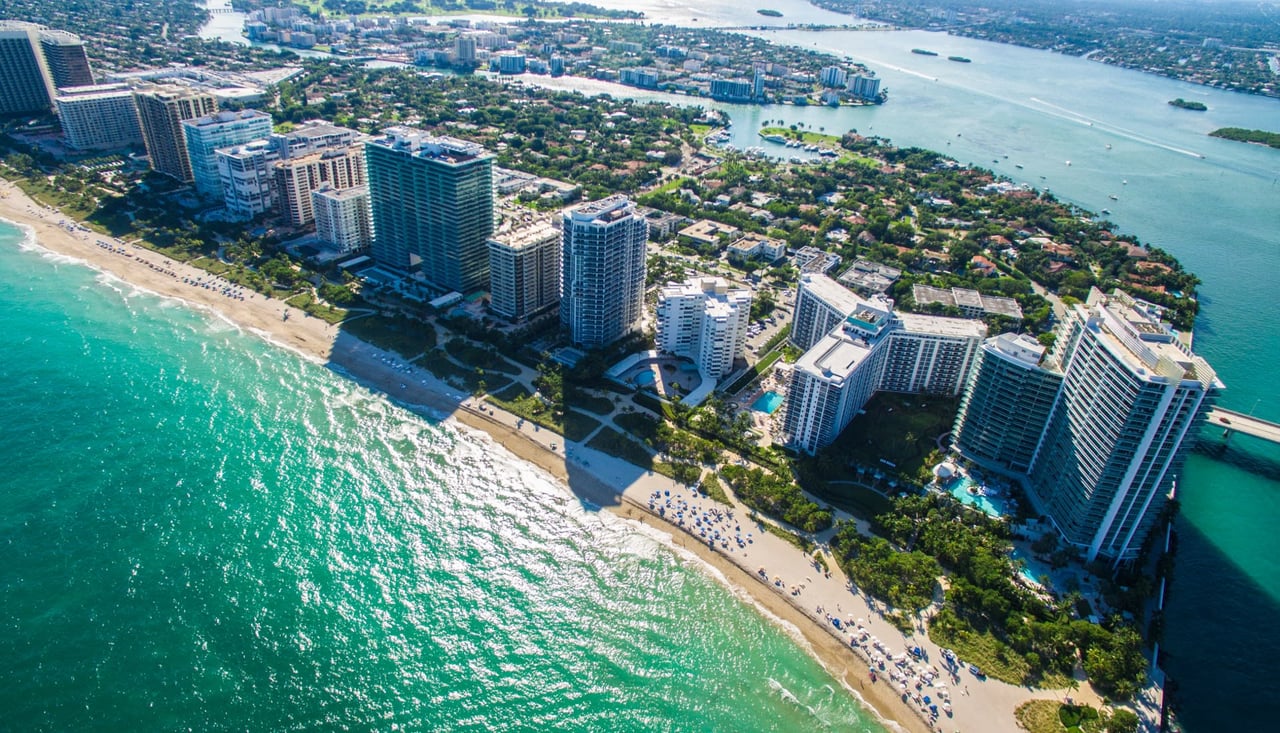
If waterfront privacy is your top priority, it's also worth comparing the Grove against Bal Harbour and Bay Harbor Islands — Miami's other major waterfront enclave, with a very different character.
Frequently Asked Questions
Coconut Grove vs. Coral Gables — FAQ
How far is Coconut Grove from Coral Gables?
The two neighborhoods are immediately adjacent — typically a 5 to 10 minute drive between their commercial centers, depending on traffic and exact starting point.
Is Coconut Grove in Coral Gables?
No. Coconut Grove is a neighborhood of the City of Miami. Coral Gables is its own city, with its own government and zoning rules, and it borders Coconut Grove to the west.
Which neighborhood has better resale value?
Both hold value exceptionally well. Coconut Grove's waterfront properties often command a 30–40% premium over comparable Coral Gables homes due to bayfront scarcity. Coral Gables offers broader inventory and more consistent appreciation across a wider range of price points.
Is Coral Gables a separate city from Miami?
Yes. Coral Gables is a fully separate incorporated municipality with its own government, police department, and zoning authority. Coconut Grove is a neighborhood within the City of Miami.
Which is better for families?
Coral Gables tends to appeal to families who want a structured, predictable daily routine and top-rated schools. Coconut Grove appeals to families who prioritize outdoor space, waterfront access, and a more relaxed pace.
Still Deciding?
I know both neighborhoods well and can help you weigh the tradeoffs against your specific lifestyle and goals.