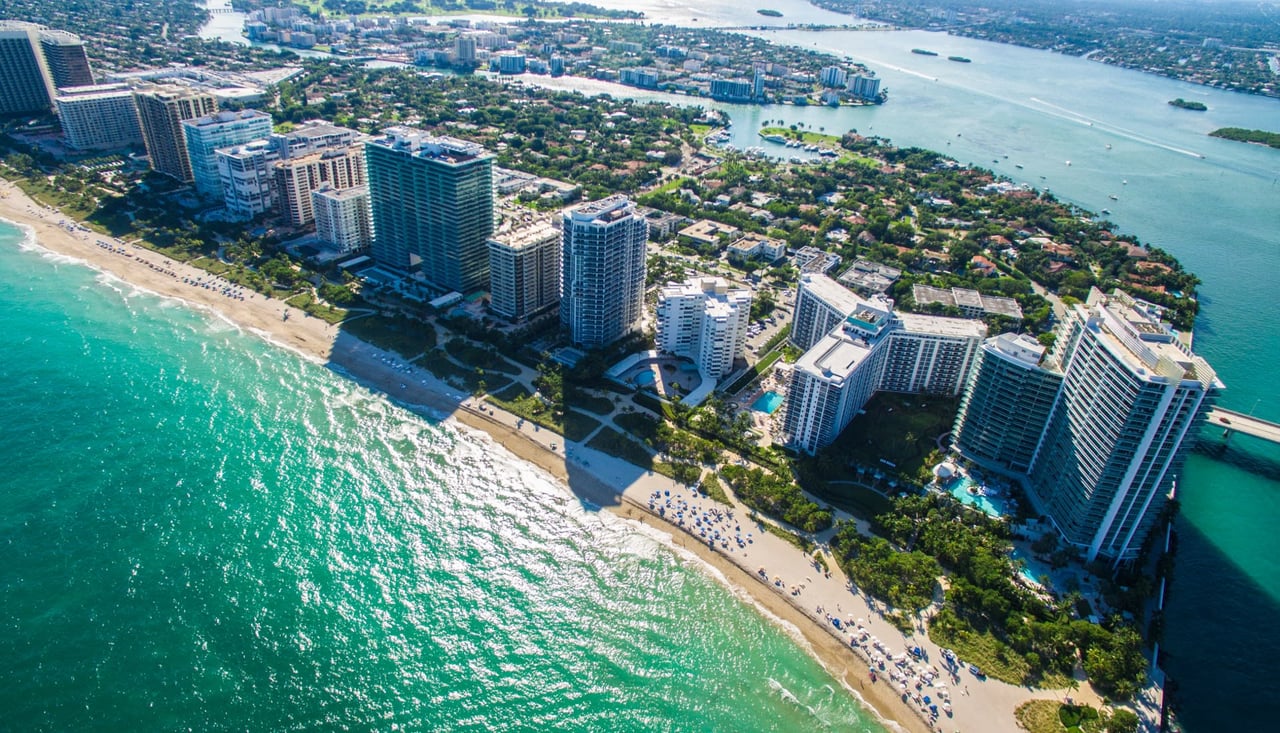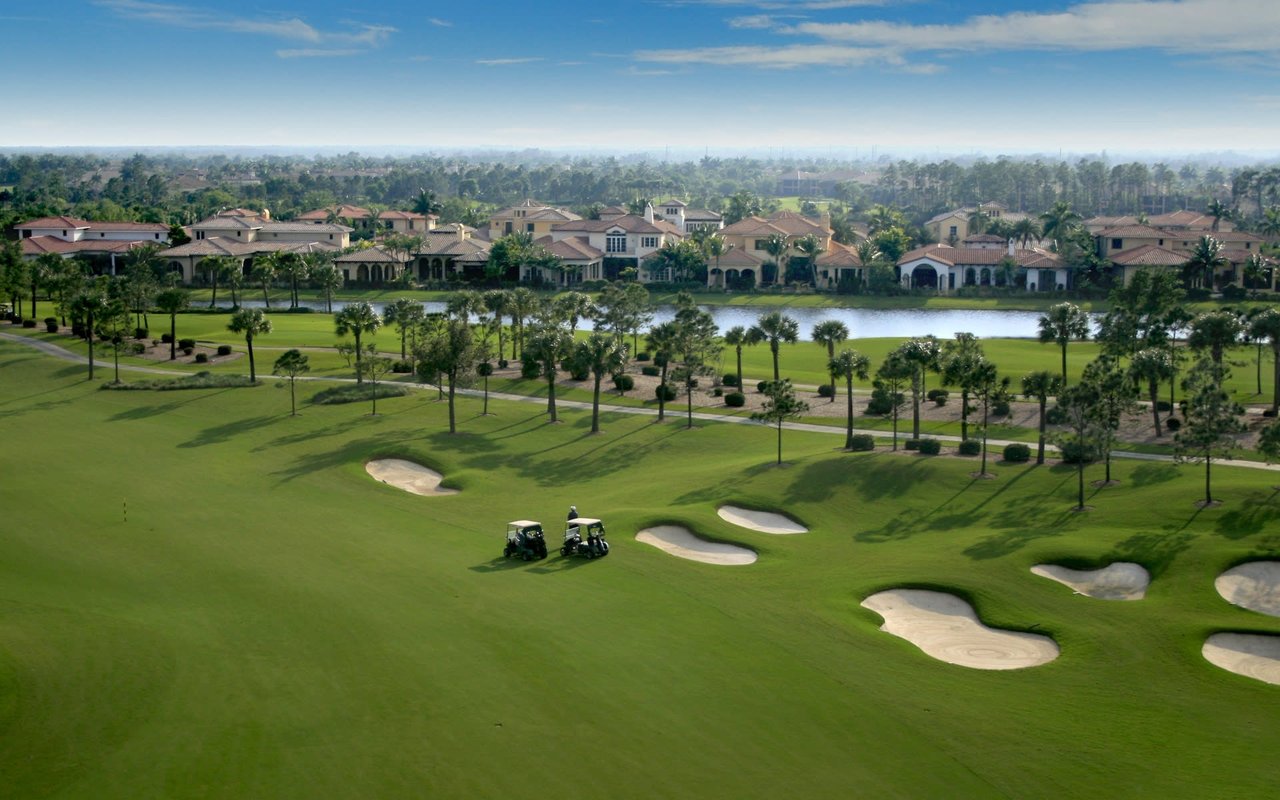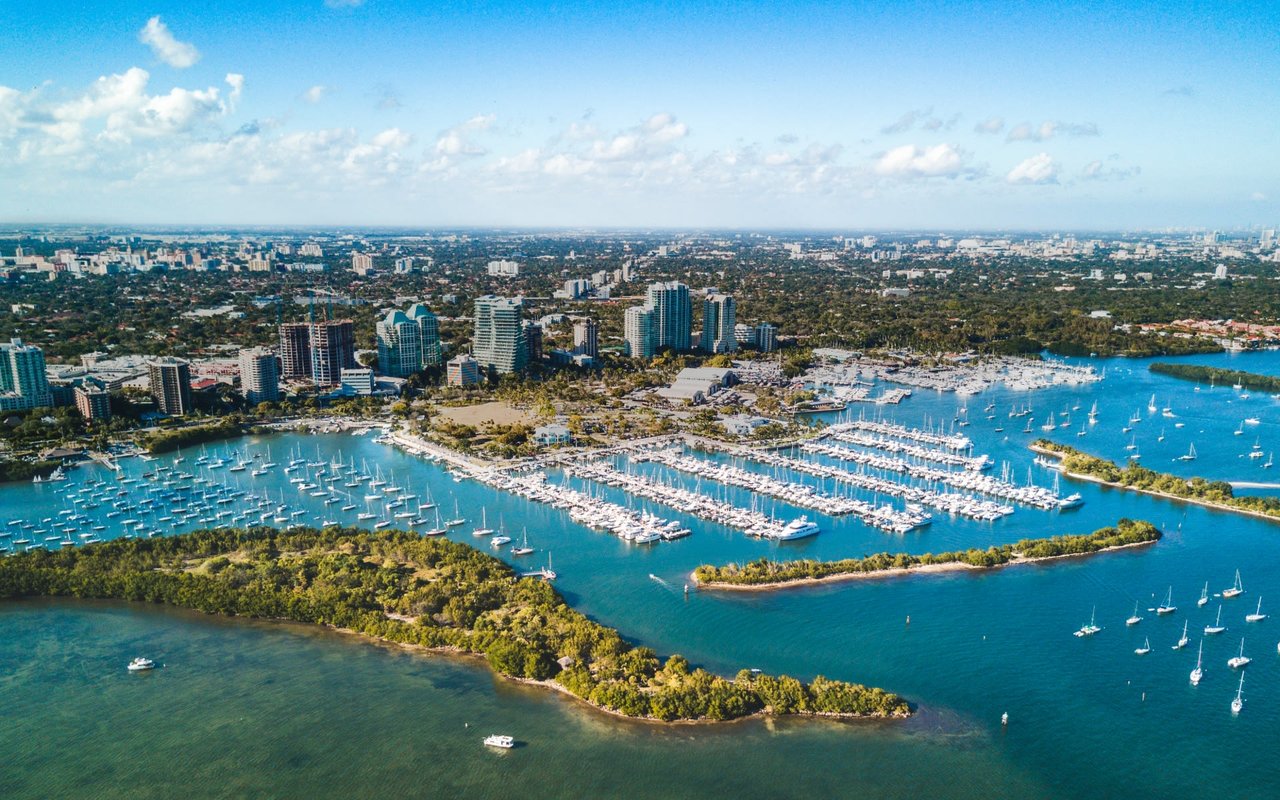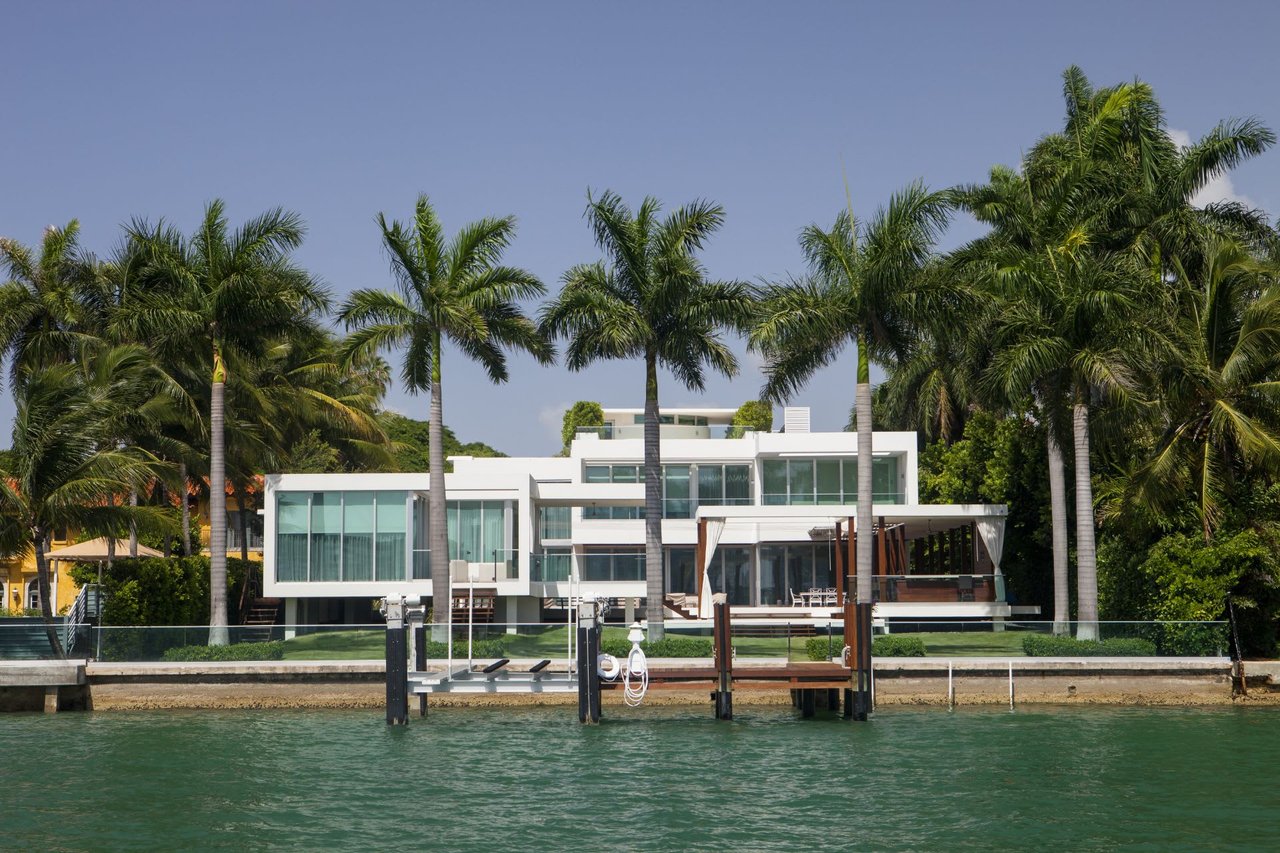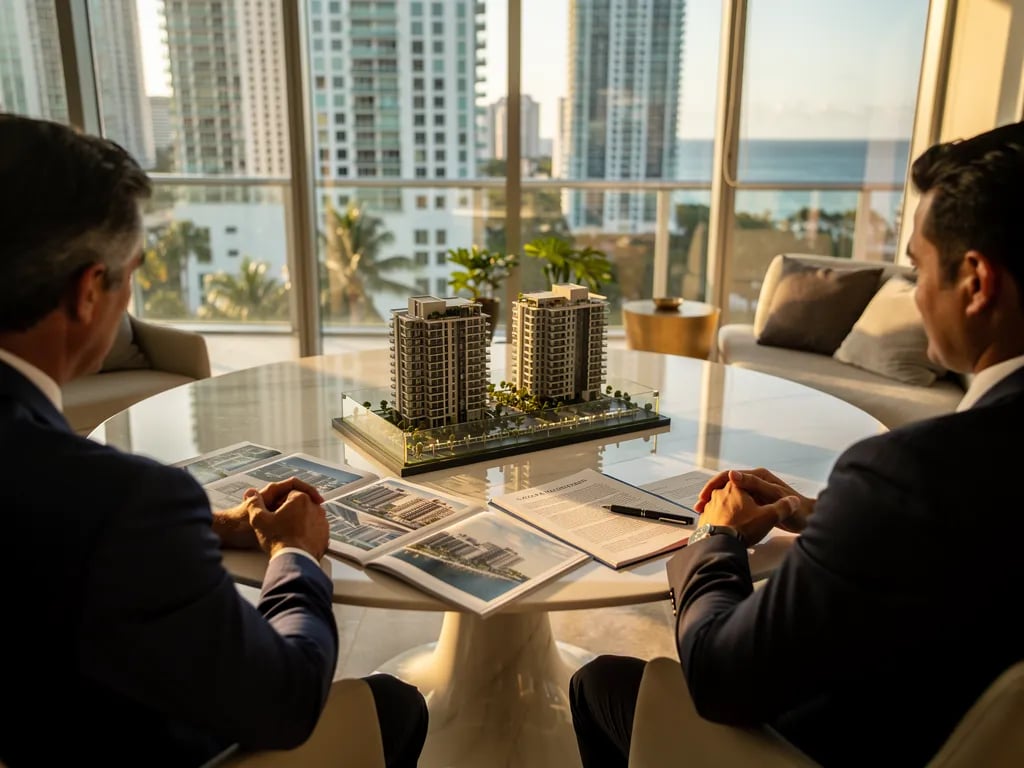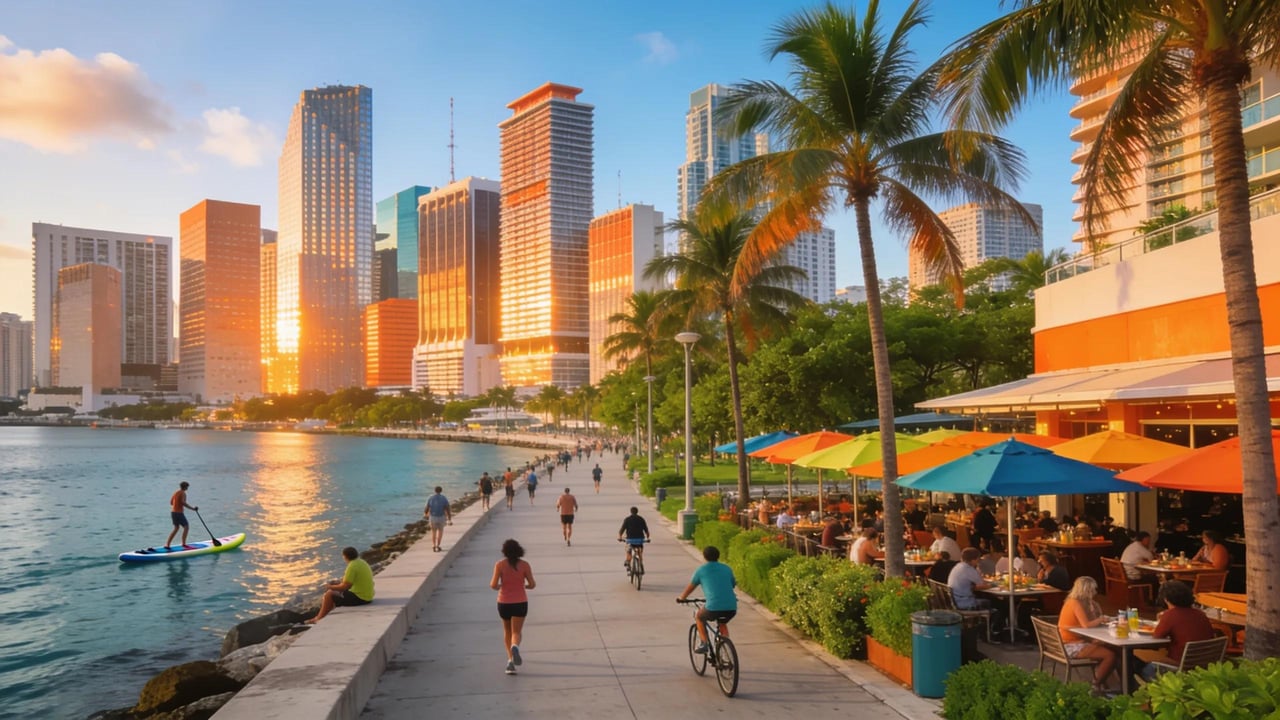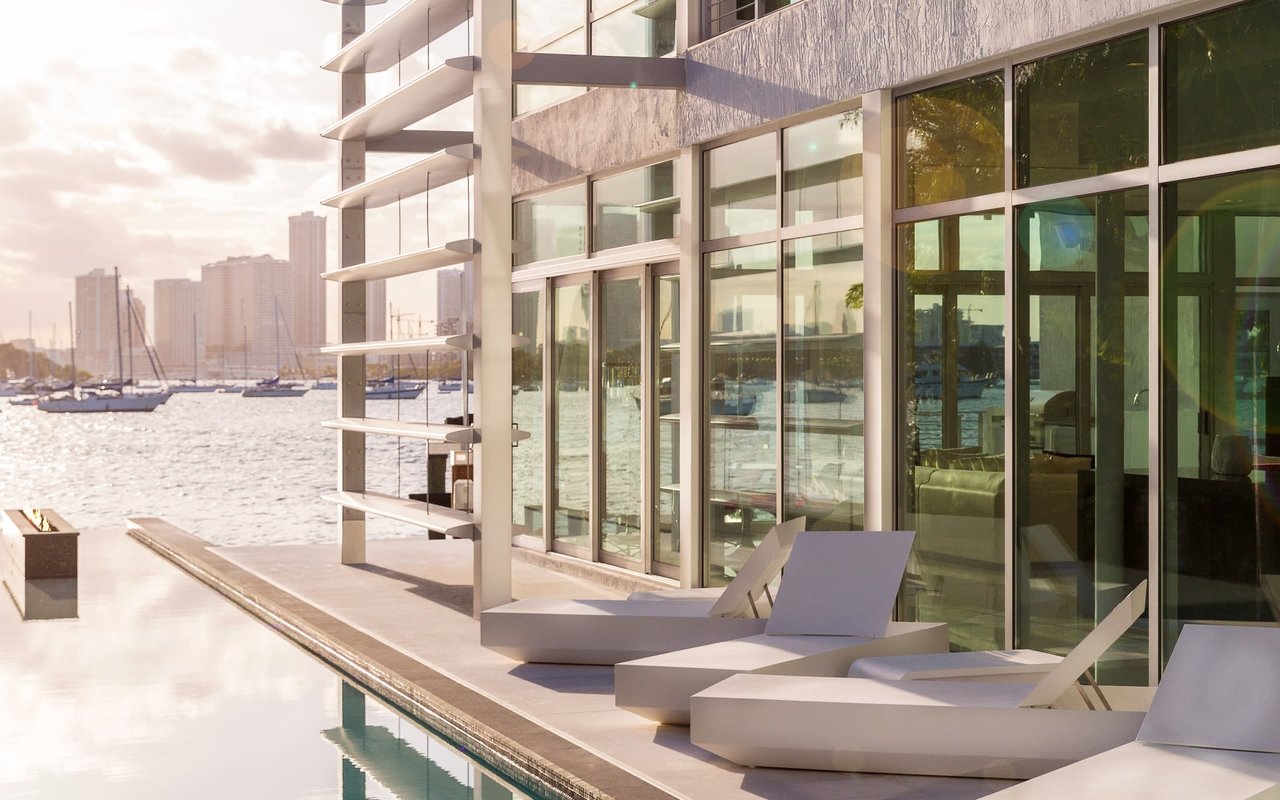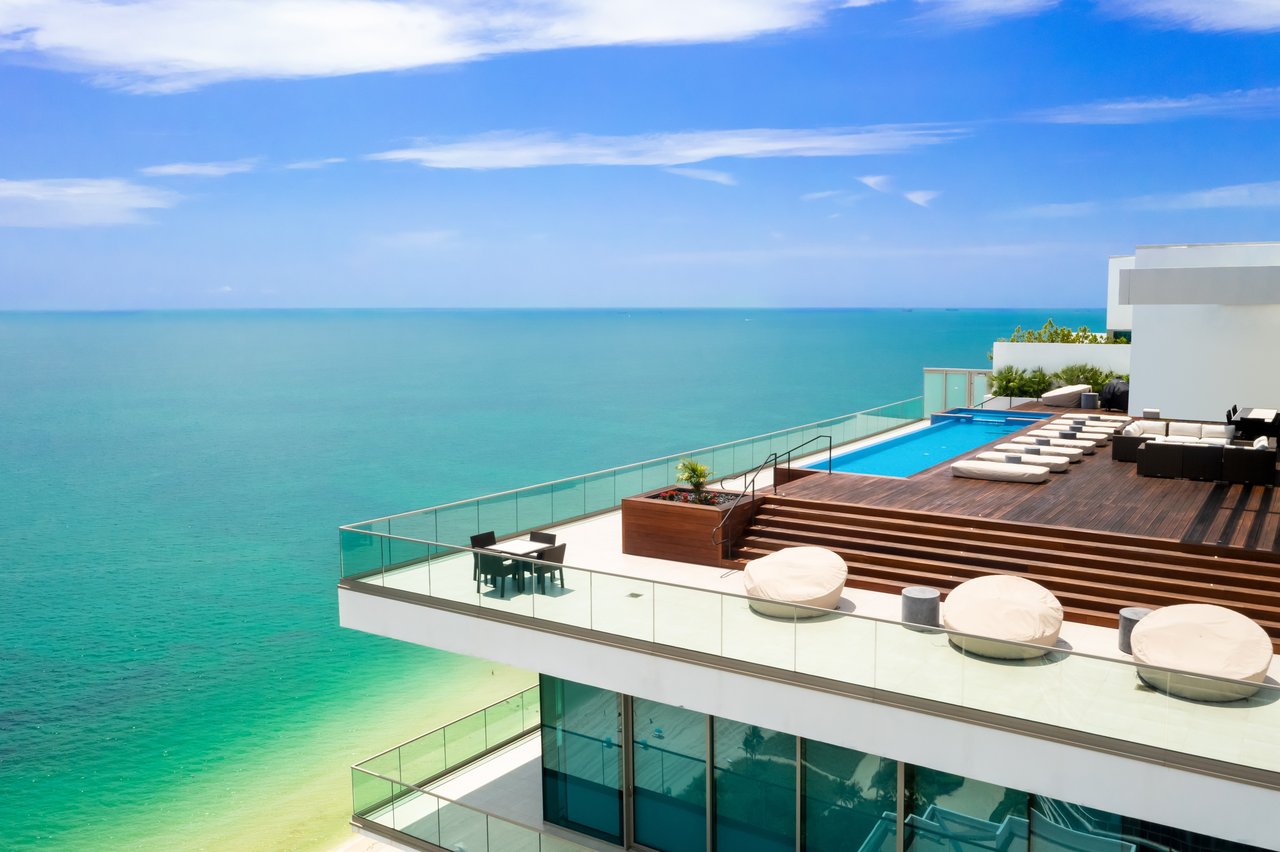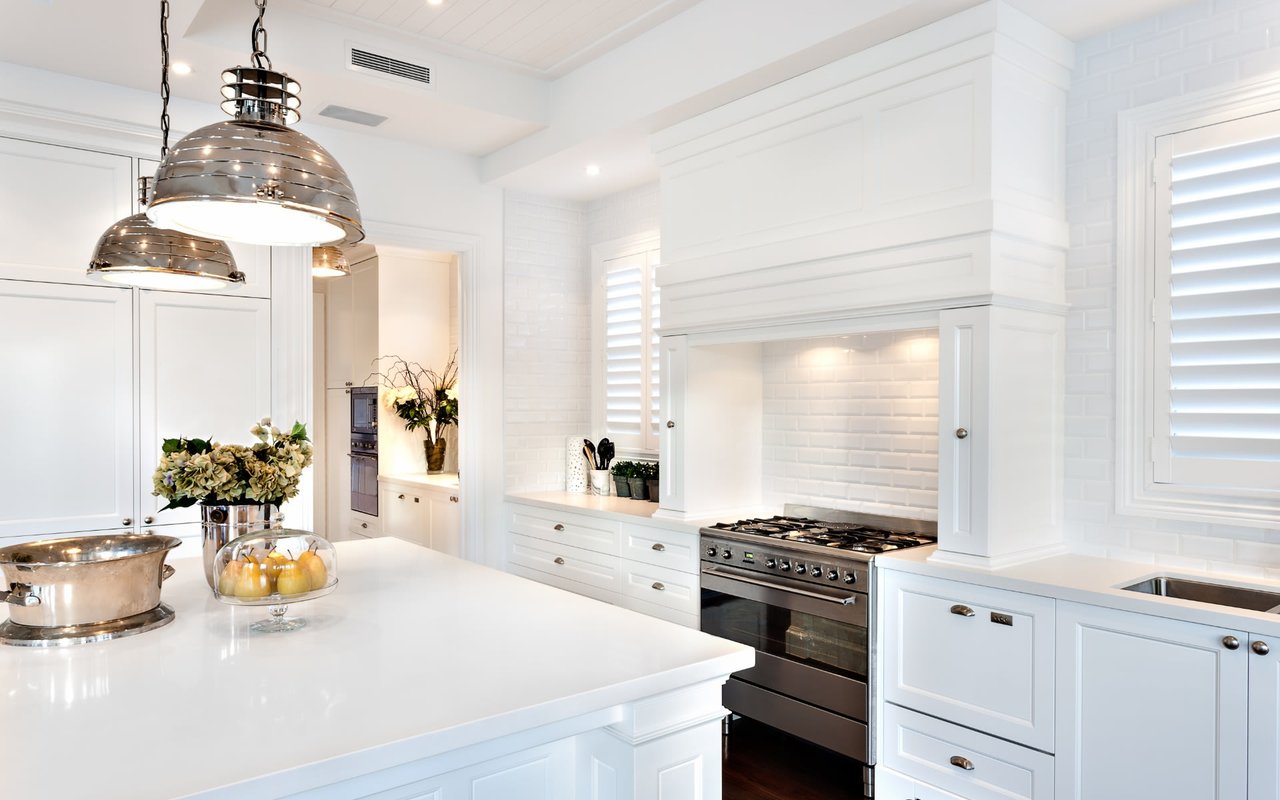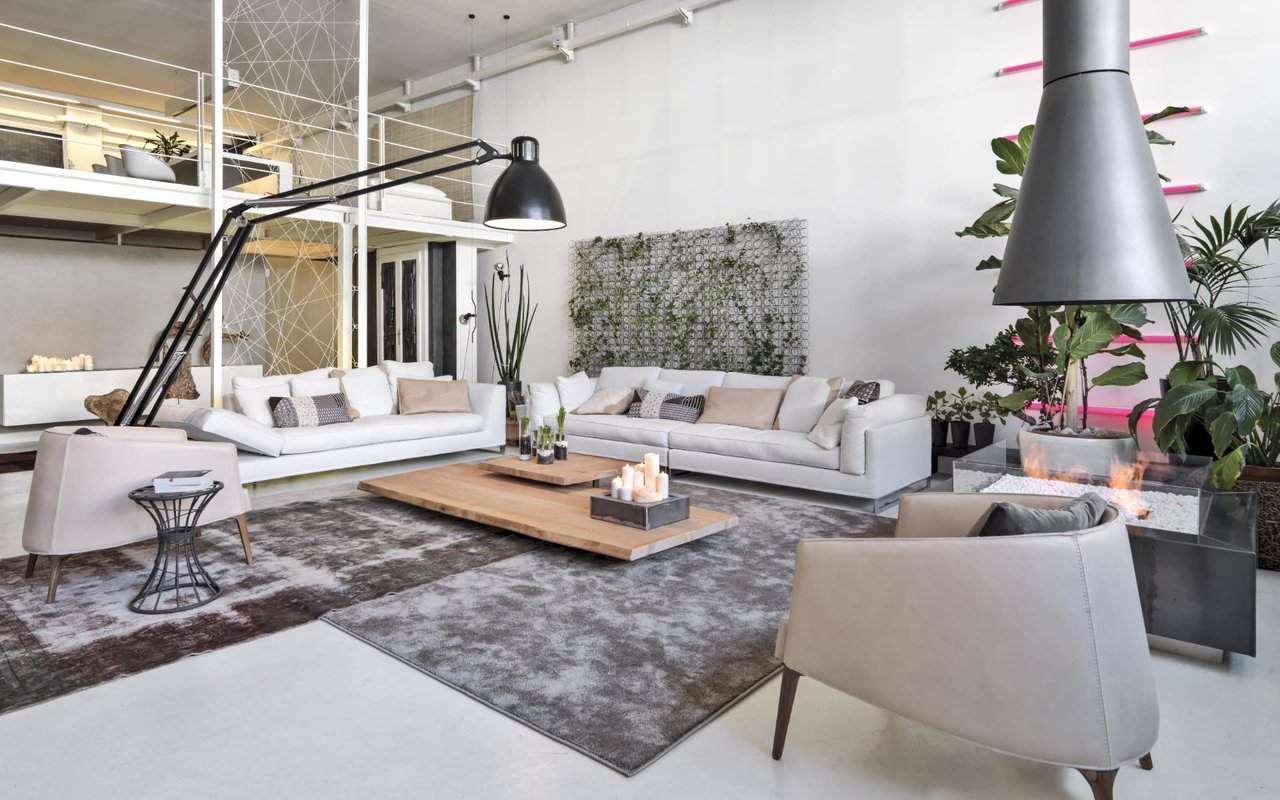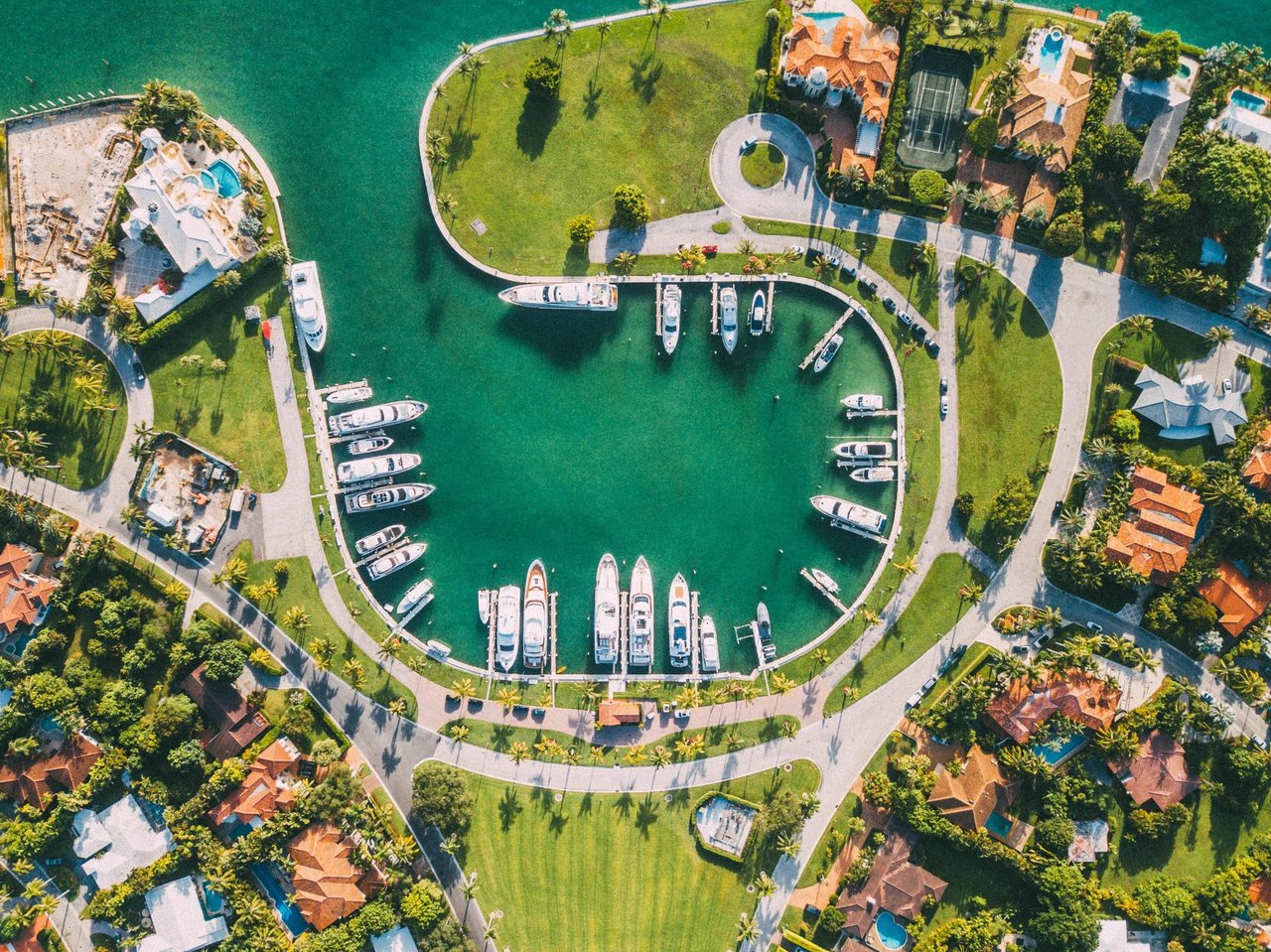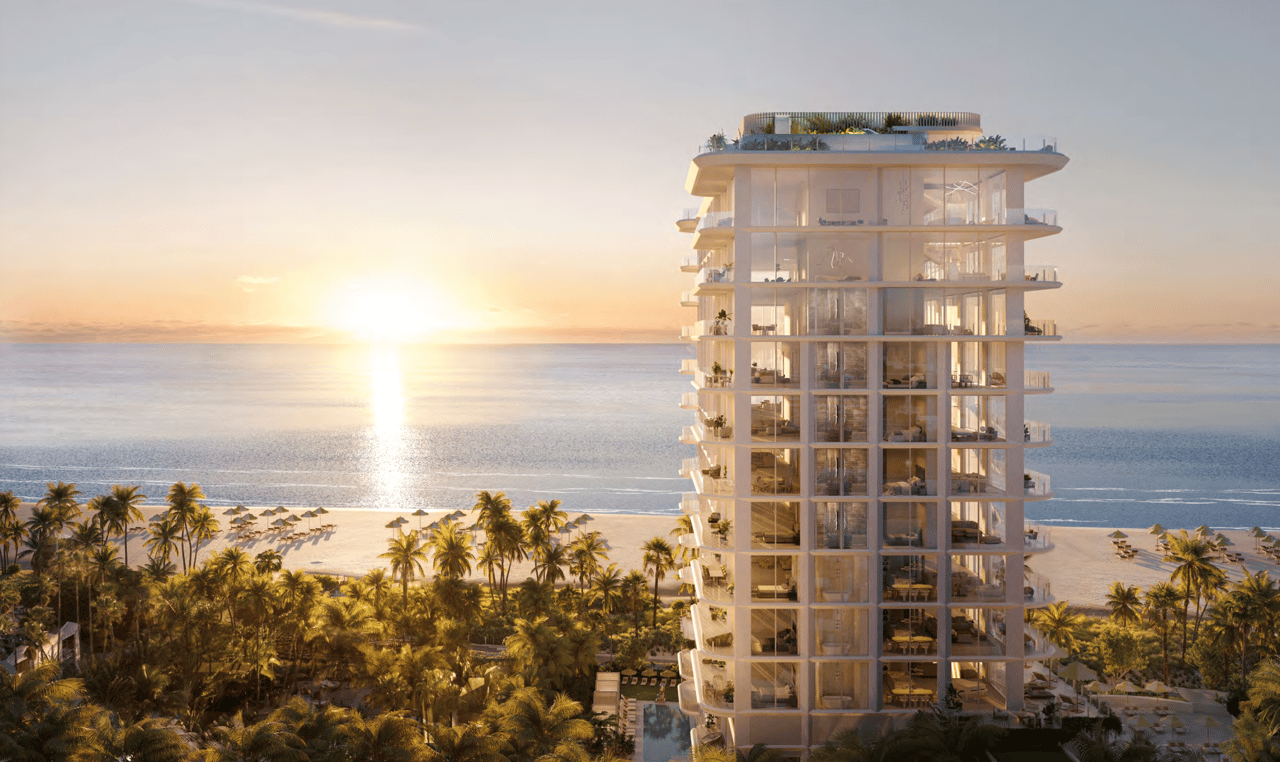
Luxury living was once reserved for a small segment of the market. Today, buyers across many price points expect resort-style amenities, modern architecture, wellness spaces, smart-home technology, and premium design. What was once considered "luxury" has become the new standard — raising the quality of developments throughout South Florida, and benefiting buyers at every level.
The Paradox
When the Exception Becomes the Expectation
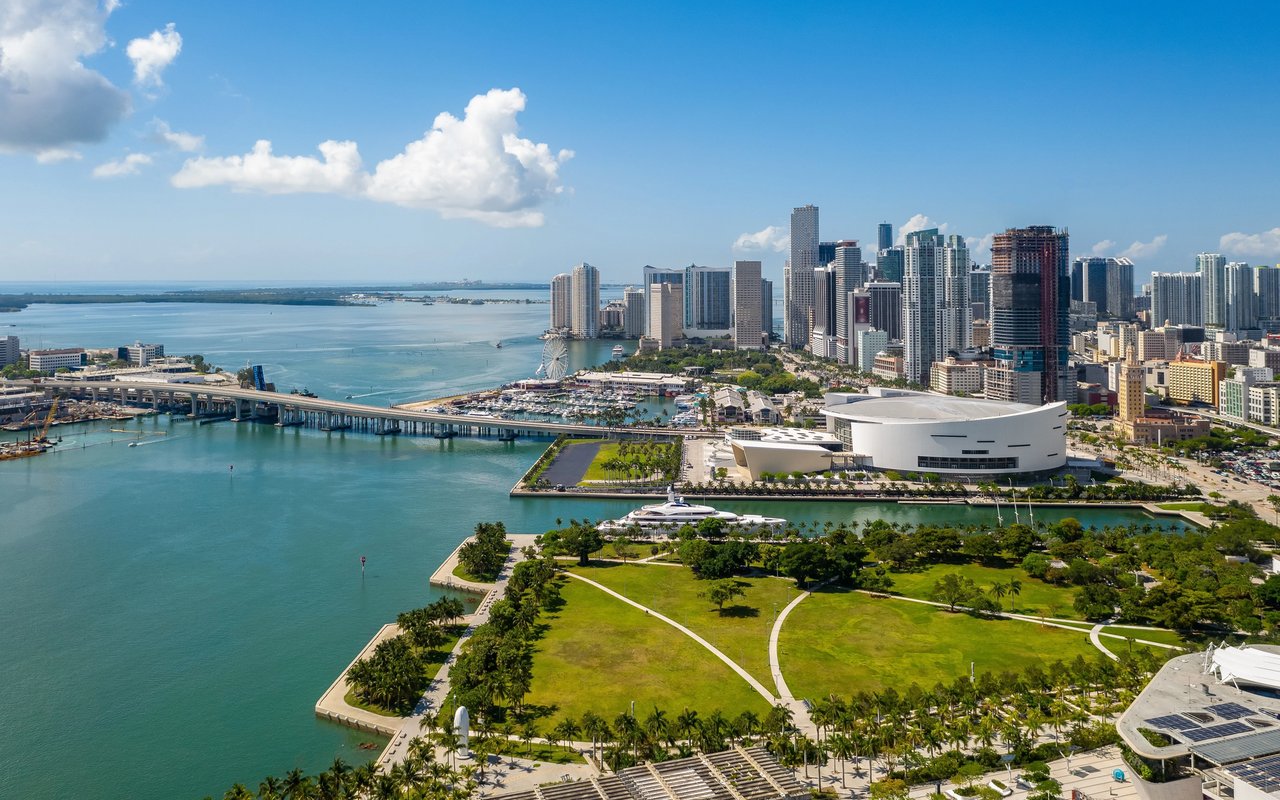
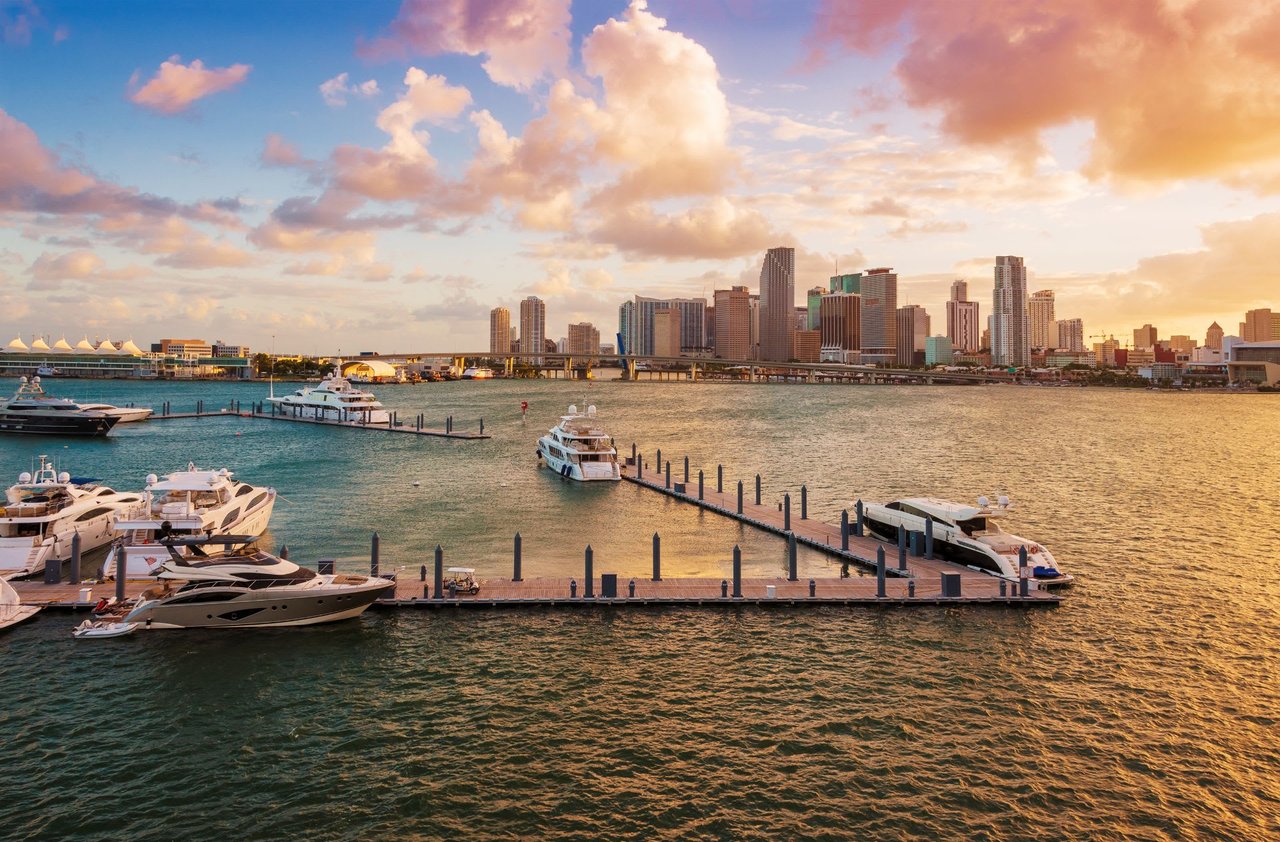
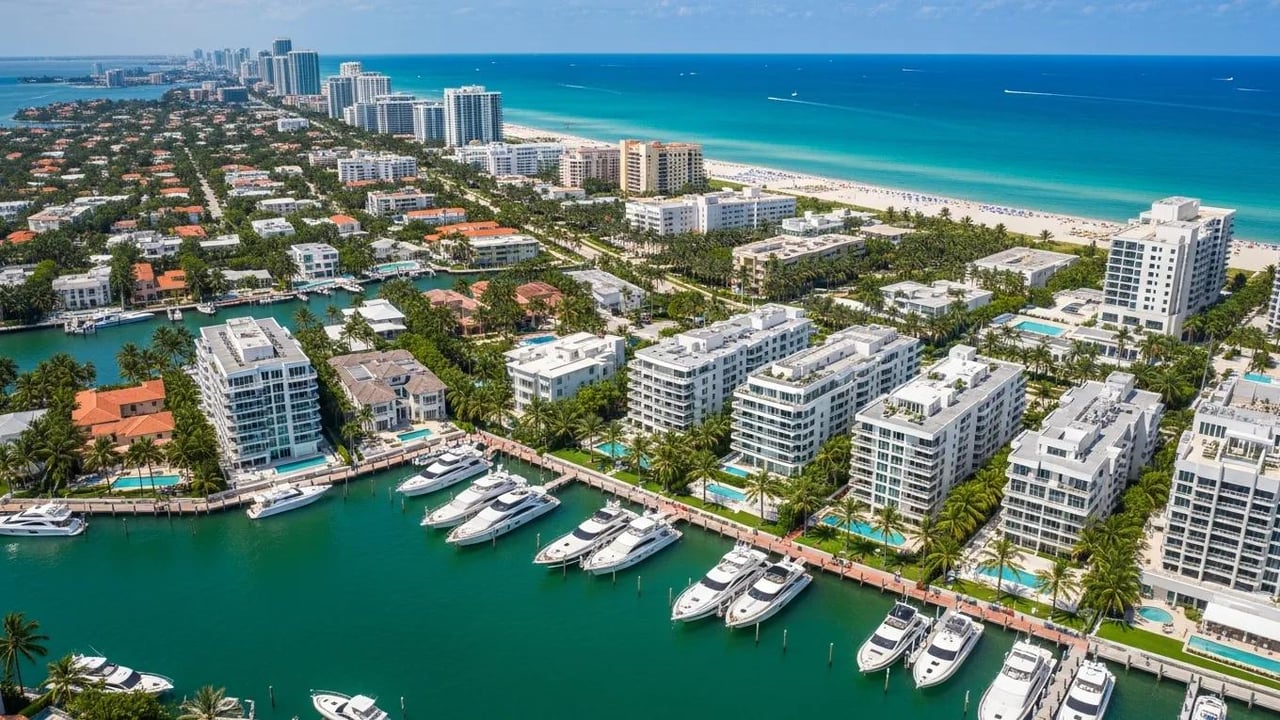
A decade ago, a marina, a full-floor amenity deck, or a wellness-designed lobby signaled one thing: this building was built for the top of the market, and priced accordingly. That signal has weakened. Walk through a new mid-rise in Edgewater or a boutique building in North Beach today, and the amenity list reads almost identically to what a flagship tower offered ten years ago — just at a fraction of the entry price.
That's the paradox. Scarcity is supposed to define luxury; if everyone has it, it isn't luxury anymore. But in Miami's new-construction market, the opposite has happened: the amenities didn't disappear as they spread — they became table stakes. Developers can't sell a new building without them, because buyers now assume they're included.
The numbers back this up at the market level, not just anecdotally: 105 homes and condos sold for $10 million or more in Miami-Dade between January and May 2026 alone — up 35% year-over-year — and that activity is concentrated specifically in new construction and branded-residence projects, not older inventory. The clearest proof point of the paradox, though, sits well below that tier. 2200 Brickell, a five-story, 105-residence building nearing completion, starts at $1.2 million and carries full WELL Building Standard certification — the same institutional wellness benchmark used by trophy towers, at an entry price that would have bought a one-bedroom with a shared gym a decade ago. The Lincoln Coconut Grove, starting at $1.5 million, was 40% pre-sold at groundbreaking on the strength of the same expectation.
Where You Can See It
The Same Baseline, Across Every Price Point
You don't have to take this on faith — it's visible across our own featured new developments right now, each aimed at a different buyer and a different neighborhood, all built around the same resort-grade expectations:
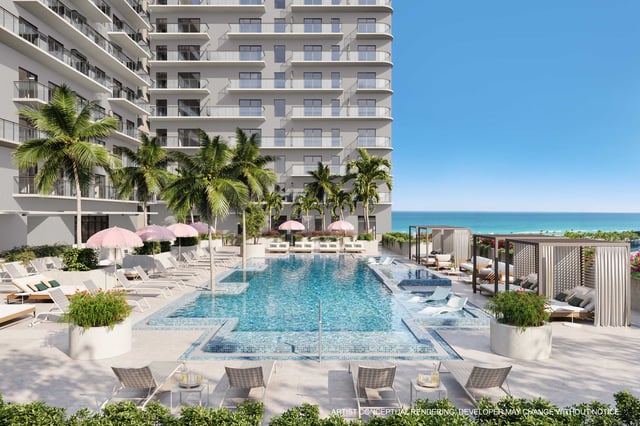
15 stories, 232 furnished residences, well below the ultra-luxury tier — yet built around full amenity programming that would have been unusual at this price a decade ago.
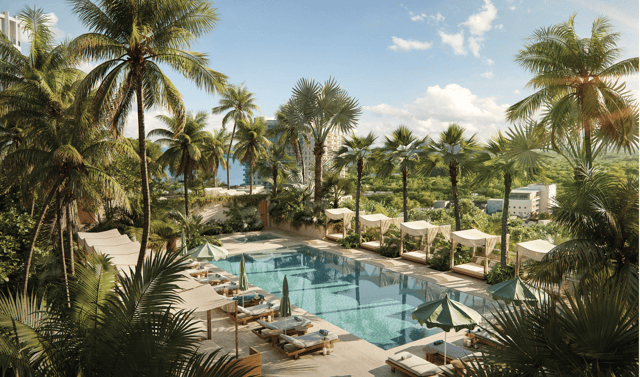
Built explicitly around wellness — the amenity category that barely existed outside the top handful of buildings a few years ago, now a core selling point.
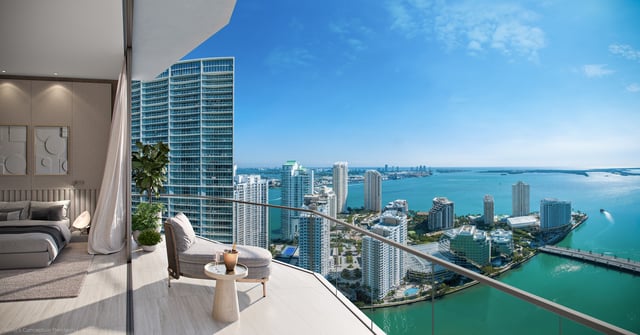
Where the bar keeps moving next: hotel-style service and leaseback flexibility layered on top of the amenity baseline that's now expected everywhere else.
The Shift
The amenities that once defined "luxury"
now define "new construction," period.
Why It Matters
What This Means If You're Buying
For buyers, this is good news hiding inside a marketing word. It means the entry point for resort-style living, smart-home systems, and genuine design quality has dropped — you no longer need a nine-figure budget to get amenities that used to require one. For sellers and investors, it means an older building without a comparable amenity package is competing on price and location alone, because it can no longer compete on lifestyle.
It also means "luxury" is close to useless as a search filter on its own. What actually separates one new development from another now is design specificity, amenity execution, and neighborhood fit — not whether the word "luxury" appears in the listing. That's the distinction I walk buyers through building by building, not just the marketing copy.
It's also why the very top of the market is moving again — pushing further out to stay ahead of a baseline that keeps rising underneath it. Branded residences from hospitality names like Nobu and Anantara are now bringing hotel-grade wellness infrastructure — cryotherapy, longevity clinics, tens of thousands of square feet of spa space — into condo towers, precisely because the standard amenity deck stopped being a differentiator. One Miami development analysis put it plainly: the market is shifting from "anonymous luxury towers competing on square footage and ocean views" toward buildings defined by "the brand behind the building, the quality of its health and wellness infrastructure, and the specificity of its lifestyle offering." That's the paradox playing out in real time — the mainstream keeps catching up, so the top keeps redefining itself.
Read Part 1 of the Miami Paradox series →
Comparing New Developments?
I can walk you through what's actually different between Miami's new buildings — beyond the amenity list every listing now claims.