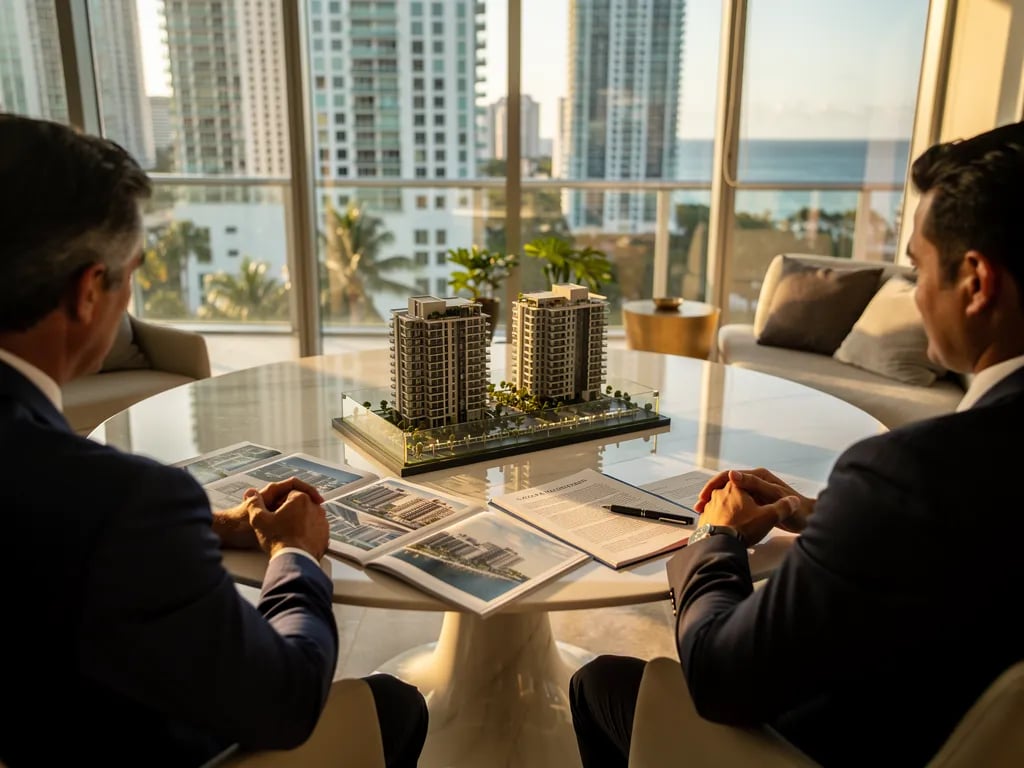
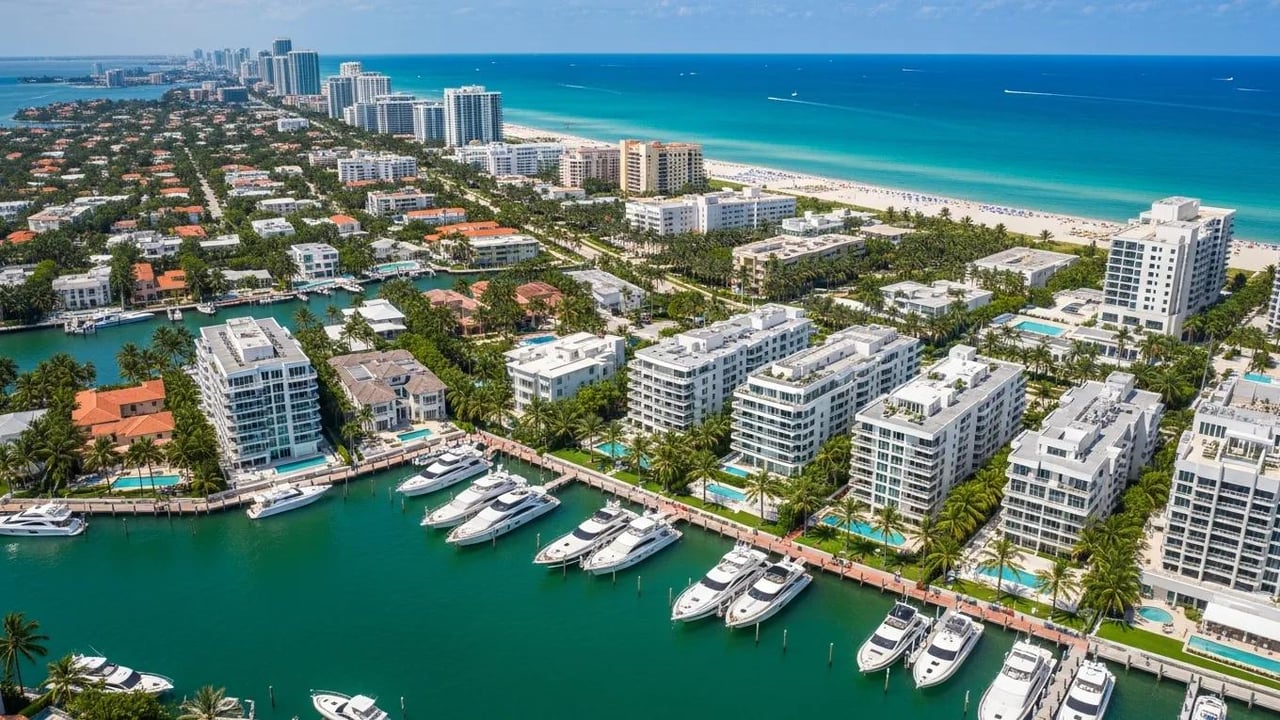
Throughout the year, the overwhelming majority of buyers in prime buildings were long-term end users: relocating families, wealth-preservation buyers, and professionals establishing permanent roots in South Florida. The flippers chasing short-term appreciation were notably absent from the top tier of the market.
The net result? Pricing remained firm in the top 15% of product while generic commodity condos lagged — creating a clear "flight to quality" dynamic that separated Miami into two distinct markets operating side by side.
THE DEMAND ENGINE
Tax Migration Didn't Slow Down — It Accelerated
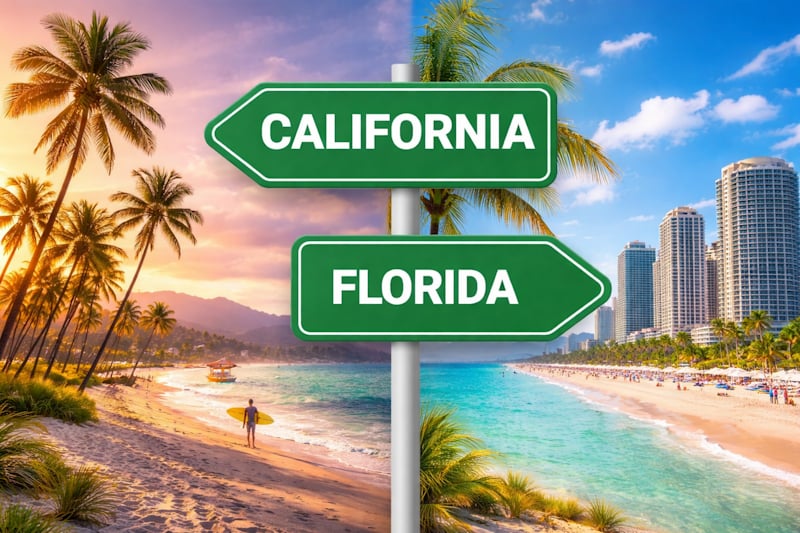
The domestic migration pipeline that reshaped Miami during the pandemic continued with force through 2025. Buyers from New York, California, and Illinois kept arriving — not as tourists testing the waters, but as committed relocators making permanent moves.
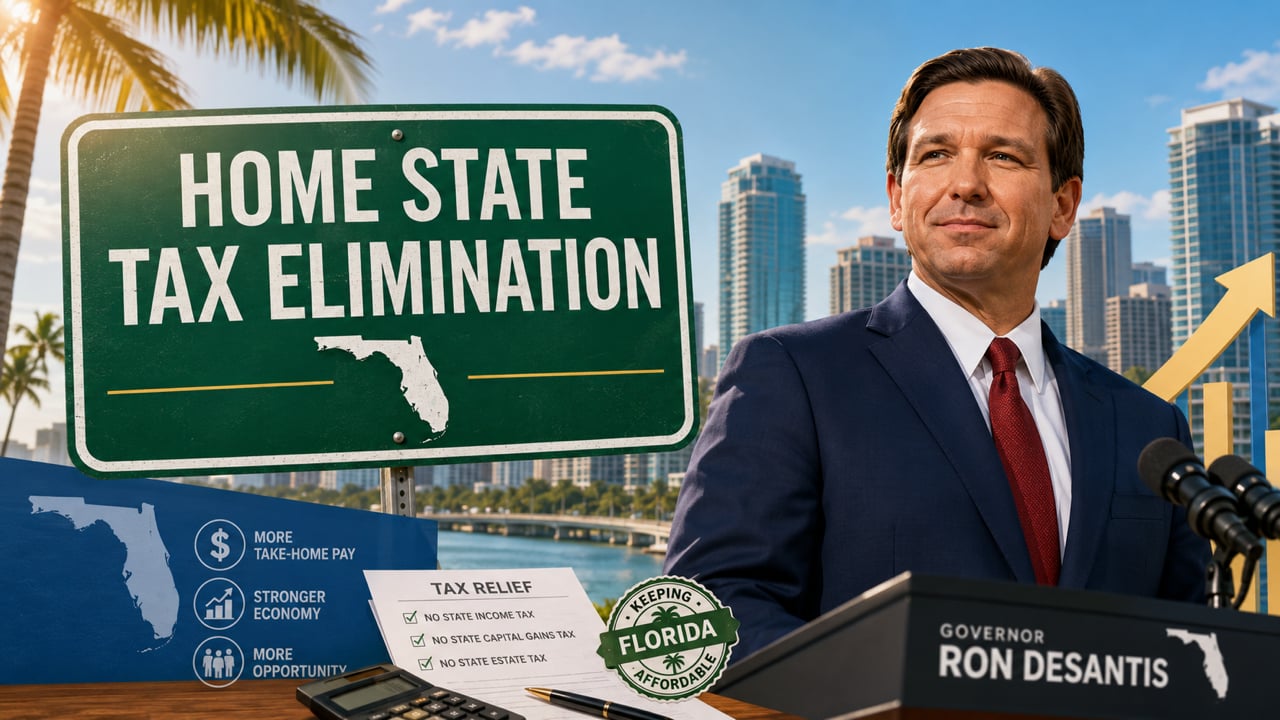
The numbers are staggering. According to the latest IRS migration data via the Tax Foundation, Florida gained $20.6 billion in net adjusted gross income from interstate migration — more than any other state. In the same period, California lost $11.9 billion and New York lost $9.9 billion. This is not random movement. It is capital responding to incentives.
For many of these households, the math is straightforward. A family earning $500,000 in New York faces a combined state and city tax rate approaching 14.8%. Moving to Florida — which has no state income tax — can mean savings exceeding $40,000 per year. When that kind of recurring annual saving is applied toward a mortgage or a property purchase, Miami real estate suddenly looks like more than just a lifestyle upgrade. It becomes a financial strategy.
The migration is not just domestic. International buyers purchased 49% of new South Florida construction over an 18-month period ending in June 2025, with Latin American buyers representing 86% of that global buyer pool.
BUYER PROFILE
End Users, Not Flippers
One of the most important shifts in Miami's 2025 market was who was buying — and why.
In previous cycles, speculative activity drove much of the volume. Investors would purchase pre-construction units with the intention of flipping before or shortly after delivery. That playbook defined Miami's boom-and-bust reputation for decades.
2025 looked fundamentally different. The buyers in prime buildings were overwhelmingly:
- Families relocating from high-tax states and establishing permanent residences
- Wealth-preservation buyers using Miami real estate as a store of value
- Corporate executives following their companies to South Florida
- European and Middle Eastern buyers returning with renewed strength
- Latin American families diversifying assets into U.S. property
These are buyers with long time horizons. They are not watching month-to-month price fluctuations. They are anchored by lifestyle, tax savings, and permanence — which makes the demand far more durable than speculation-driven cycles of the past.
THE SPLIT
A Tale of Two Markets: Quality vs. Commodity
Perhaps the most defining characteristic of 2025 was the widening gap between premium and generic product.
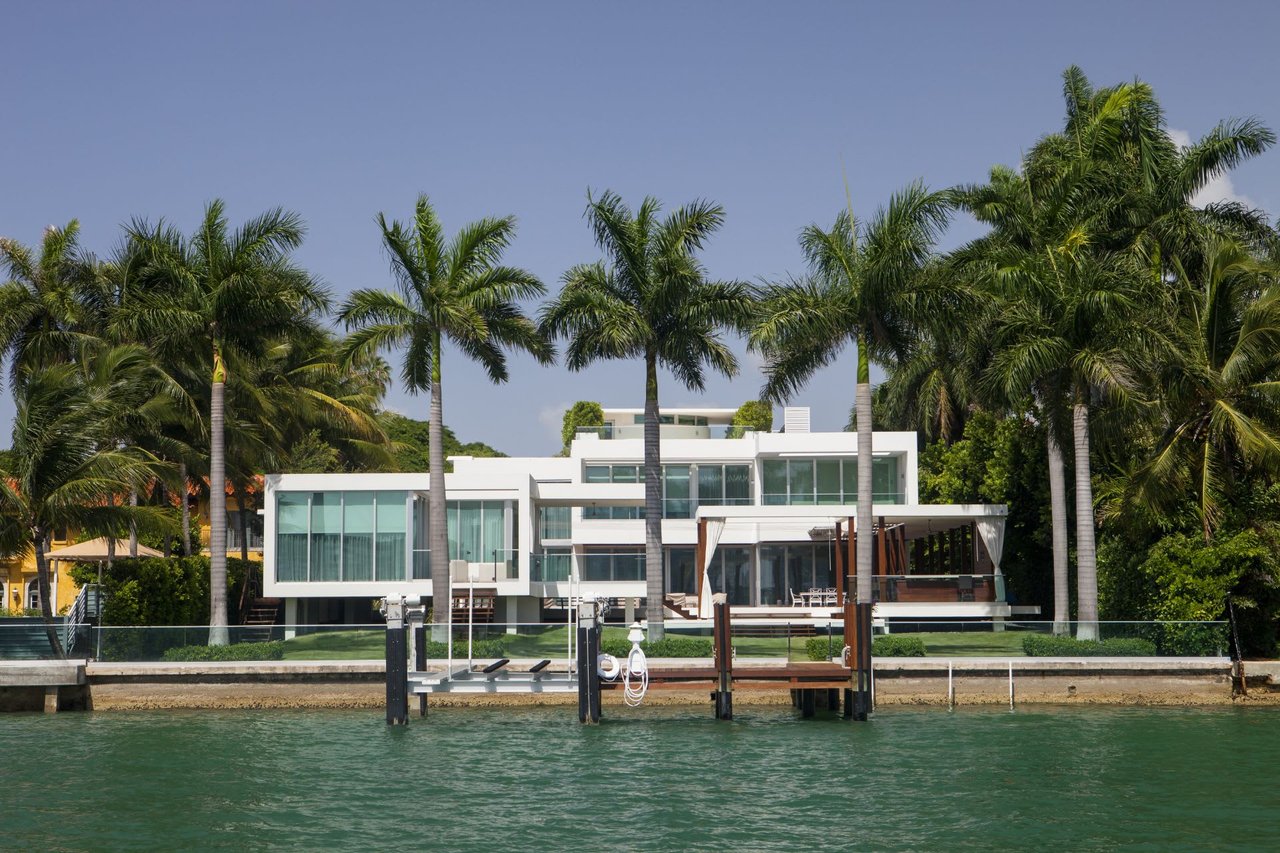
At the top end, Miami's luxury condo market crossed the $1,000 per square foot threshold for the first time and held that level throughout the year. Fisher Island emerged as the most lucrative neighborhood, reporting a 14% uptick in year-over-year pricing. Ultra-luxury single-family homes — particularly waterfront properties on Indian Creek, Star Island, and the Venetian Islands — traded at or near record prices.
Meanwhile, generic commodity condos in oversupplied corridors lagged. Older buildings with rising HOA fees, new recertification requirements, and undifferentiated finishes sat longer on the market. Buyers became more selective, and the days of everything selling quickly were over for product that didn't meet today's elevated standards.
Miami's new real estate identity is less about speculation and more about sticky value. The market rewards quality, location, and scarcity — and penalizes everything else.
GLOBAL CAPITAL
The International Buyer Came Back
While domestic tax migration dominated headlines, the international story was equally significant. European and Middle Eastern buyers returned to Miami with strength in 2025, joining the longstanding flow of Latin American capital.
According to Miami Realtors, international buyers invested $8.4 billion in South Florida residential real estate in 2025 — a 42% increase over the prior year. The capital came from familiar sources: Colombia, Argentina, Brazil, and Mexico led Latin American purchases, while UK, French, German, and Middle Eastern buyers concentrated in the ultra-luxury segment.
Corporate relocation also played a role. As more financial firms, technology companies, and family offices established Miami offices, the executives and teams following those moves created sustained, recurring demand for quality housing — further solidifying the city's evolving financial ecosystem.
BEYOND THE MARKET
Miami's Lifestyle Transformation: From Vacation to Daily Life
Perhaps the most underappreciated factor in Miami's staying power is a quiet transformation that has nothing to do with pricing data or interest rates.
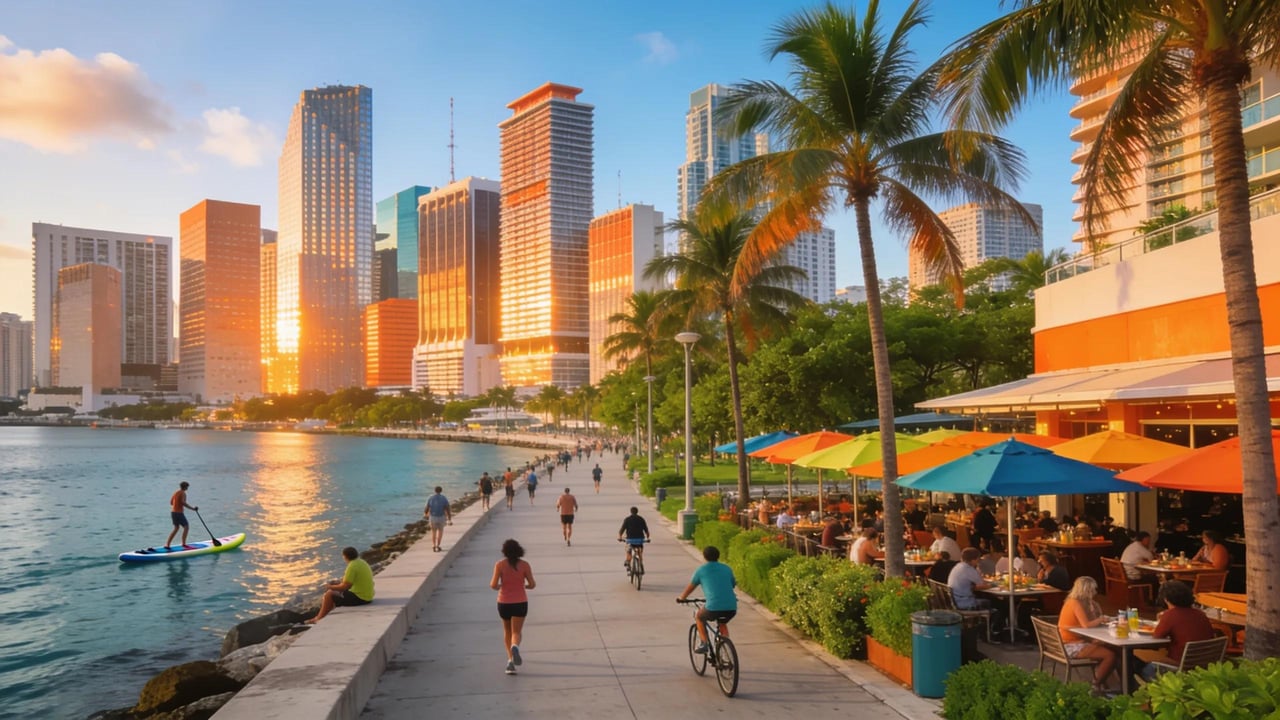
Many of Miami's newest residents don't just come for sunshine — they come for routine. The city now offers daily habits and rhythms that simply didn't exist a decade ago.
Children walking to school through tree-lined streets. Families building community in one of Miami's most established neighborhoods.
Morning workouts with skyline views. A fitness and wellness culture that rivals any global city.
European-style café culture, world-class galleries, and walkable luxury retail — a neighborhood that feels like it belongs in Milan or Paris.
Families spending Sundays between Vizcaya, Fairchild Tropical Garden, and Key Biscayne beaches — a pace of life that keeps people anchored.
This is the shift that makes the current cycle different from previous ones. Miami has evolved from a vacation destination into a city where people build lives. And when buyers are anchored by school districts, morning routines, and community ties, they don't sell at the first sign of market fluctuation. That permanence is what gives the market its foundation.
Miami has evolved from a vacation to a life. That single shift explains more about pricing resilience than any interest rate forecast ever could.
LOOKING AHEAD
What This Means for Buyers and Investors
For anyone watching the Miami market, the lessons from 2025 are clear:
- Quality is non-negotiable. The premium segment held firm while commodity product softened. Buyers should focus on buildings, locations, and finishes that meet today's standards — not yesterday's.
- The buyer pool is global and permanent. This is no longer a market driven by local demand or seasonal speculation. International capital, domestic migration, and corporate relocation have diversified the demand base.
- Tax advantages remain a structural tailwind. With Florida gaining $20.6 billion in income migration annually, the pipeline of high-earning relocators shows no signs of slowing.
- Lifestyle is the anchor. Buyers who move for routine, community, and daily life don't flip properties. They stay. That makes the foundation stronger.
Miami's 2025 wasn't a bubble year. It wasn't a bust year. It was the year the market proved that its new identity — built on permanent residents, global capital, tax efficiency, and genuine livability — is here to stay.