How record-breaking waterfront deals are reshaping luxury real estate
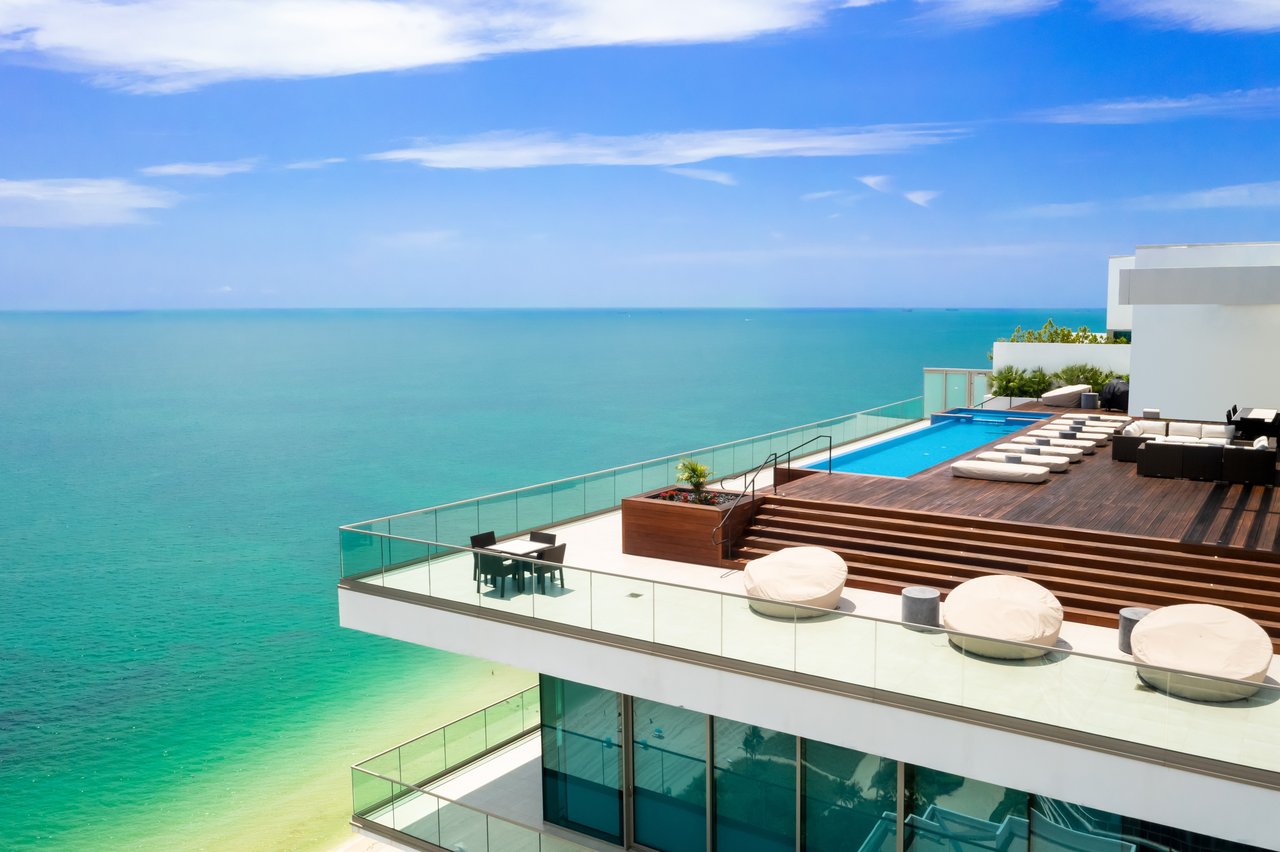
The latest status symbol among America’s richest people is not a Manhattan penthouse or a Malibu bluff. It is a piece of South Florida waterfront, preferably gated, preferably private, and preferably scarce enough that the price barely matters.
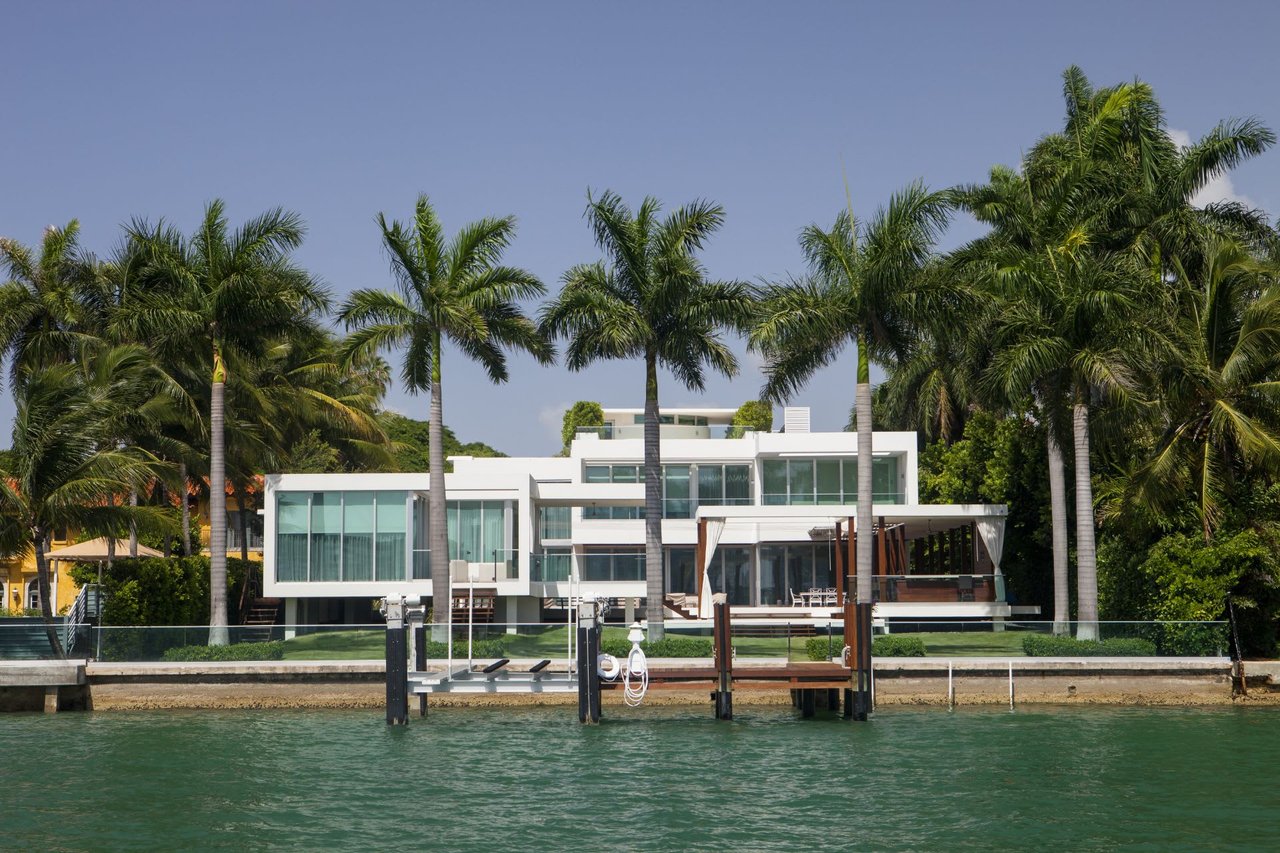
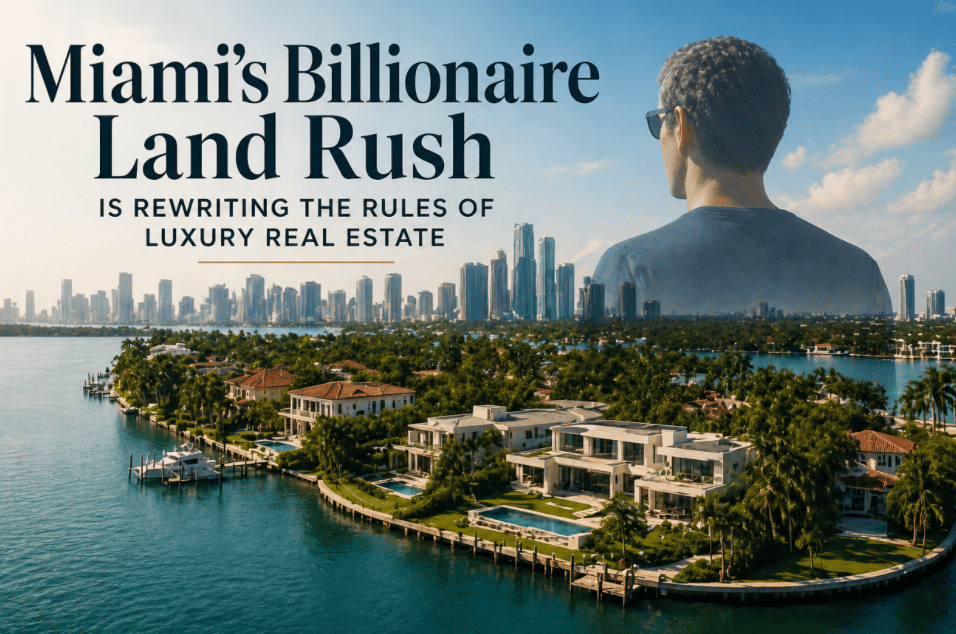
The clearest sign of Miami’s new billionaire era came in March, when Mark Zuckerberg and Priscilla Chan reportedly bought a $170 million estate on Indian Creek Island, the ultra-exclusive village north of Miami Beach often nicknamed the “Billionaire Bunker.” The deal was described as the most expensive residential sale ever recorded in Miami-Dade County, placing the Meta chief executive near other high-profile owners in one of the country’s most exclusive communities.
A New Kind of Buyer
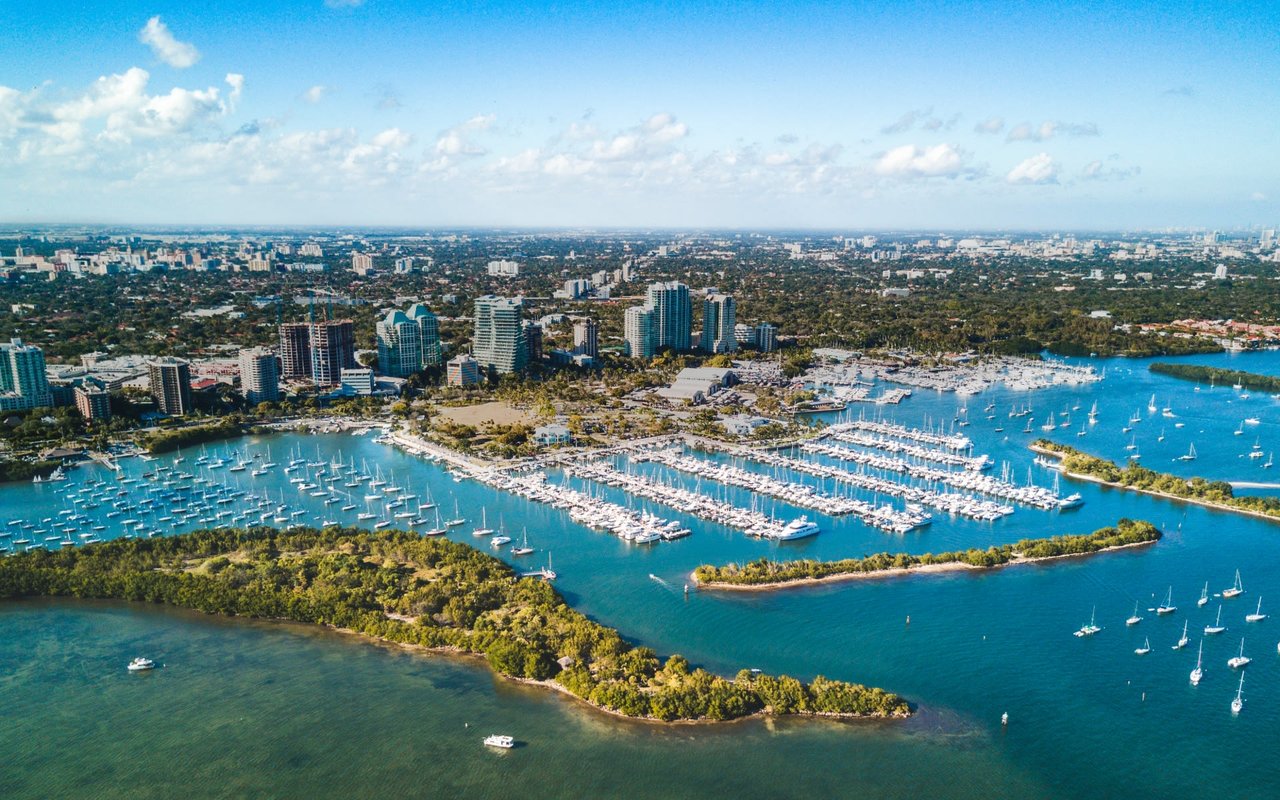
Zuckerberg is not alone. Google co-founder Sergey Brin recently bought a waterfront home on Allison Island, while Larry Page has reportedly spent heavily on properties in Coconut Grove. Jeff Bezos, who announced his move to Miami in 2023, also purchased multiple homes on Indian Creek Island. Together, these purchases show how Miami has become one of the most desirable places in the country for the ultrawealthy.
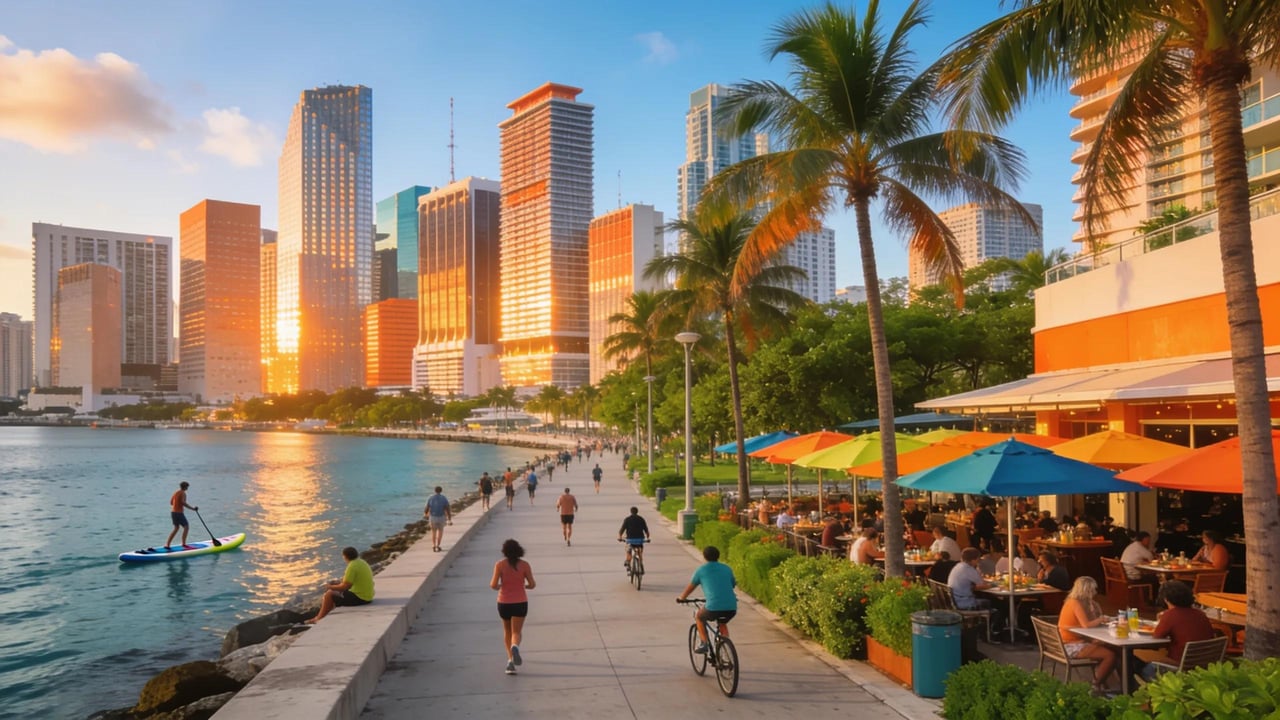
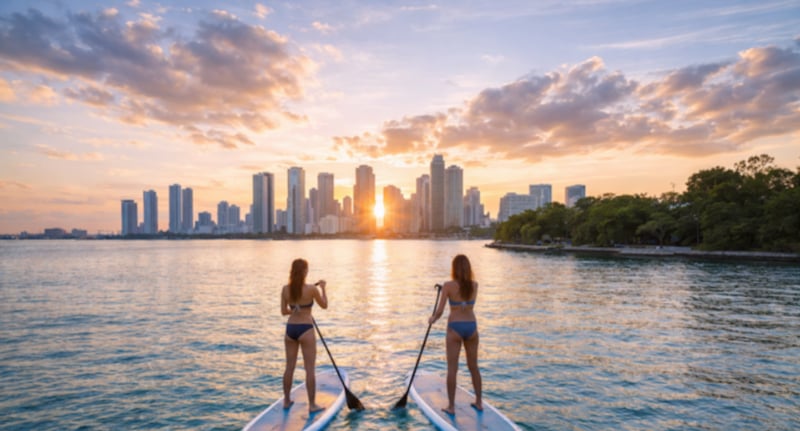
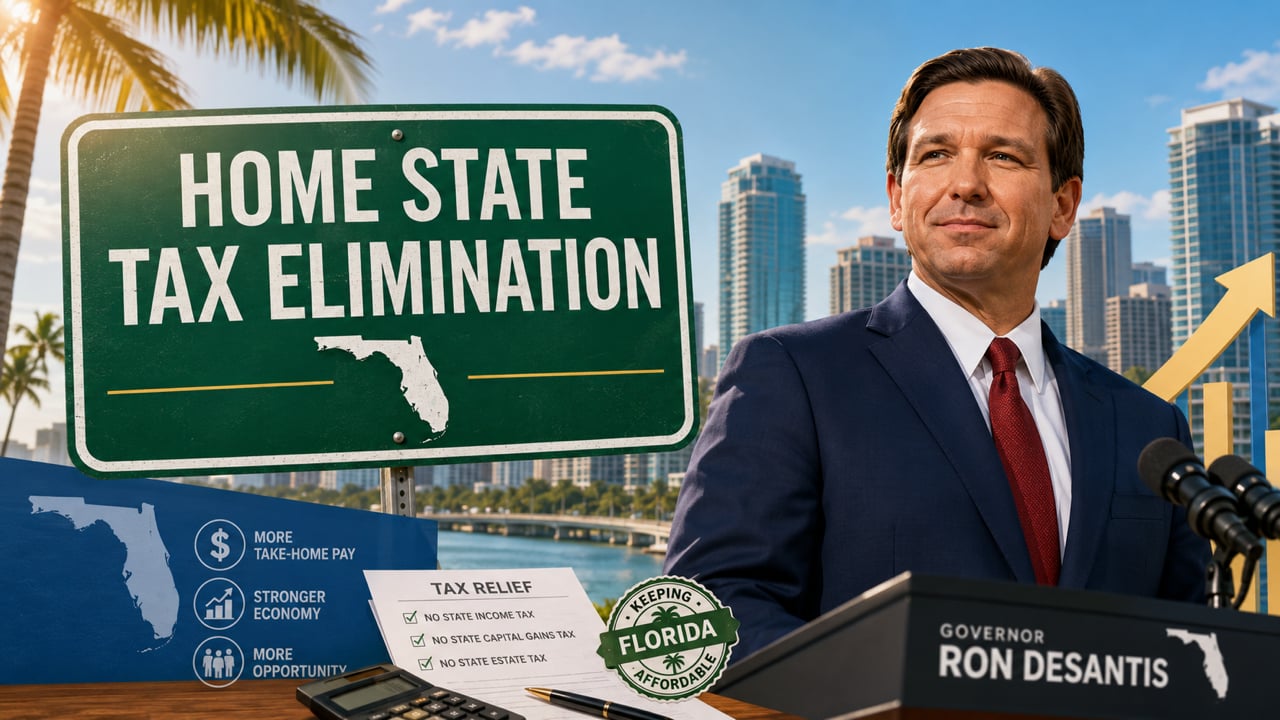
The appeal is not hard to understand. Florida has no state income tax, Miami offers year-round warm weather, and the city has spent the last several years rebranding itself as a center for finance, technology, sports, hospitality and global wealth. For billionaires and executives leaving places like California, New York and Washington, Miami offers both lifestyle and financial advantages.
What Drives the Top 1% of the Market?
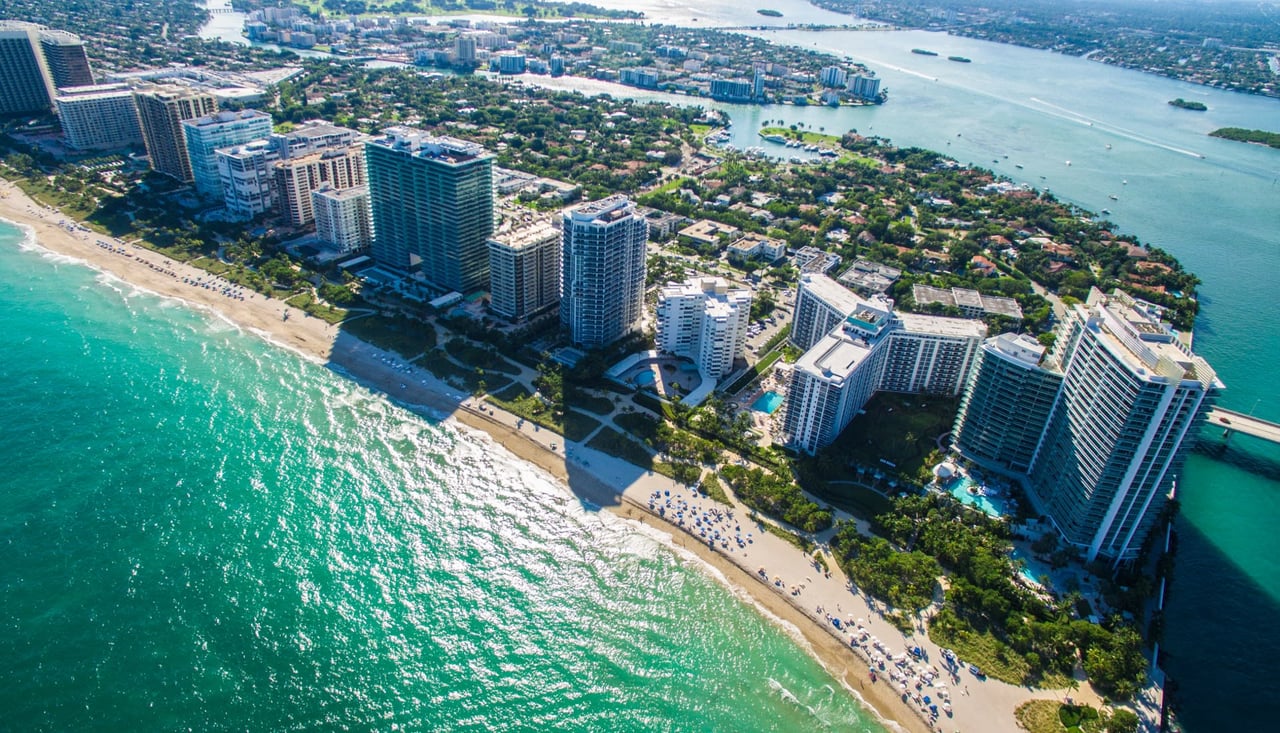
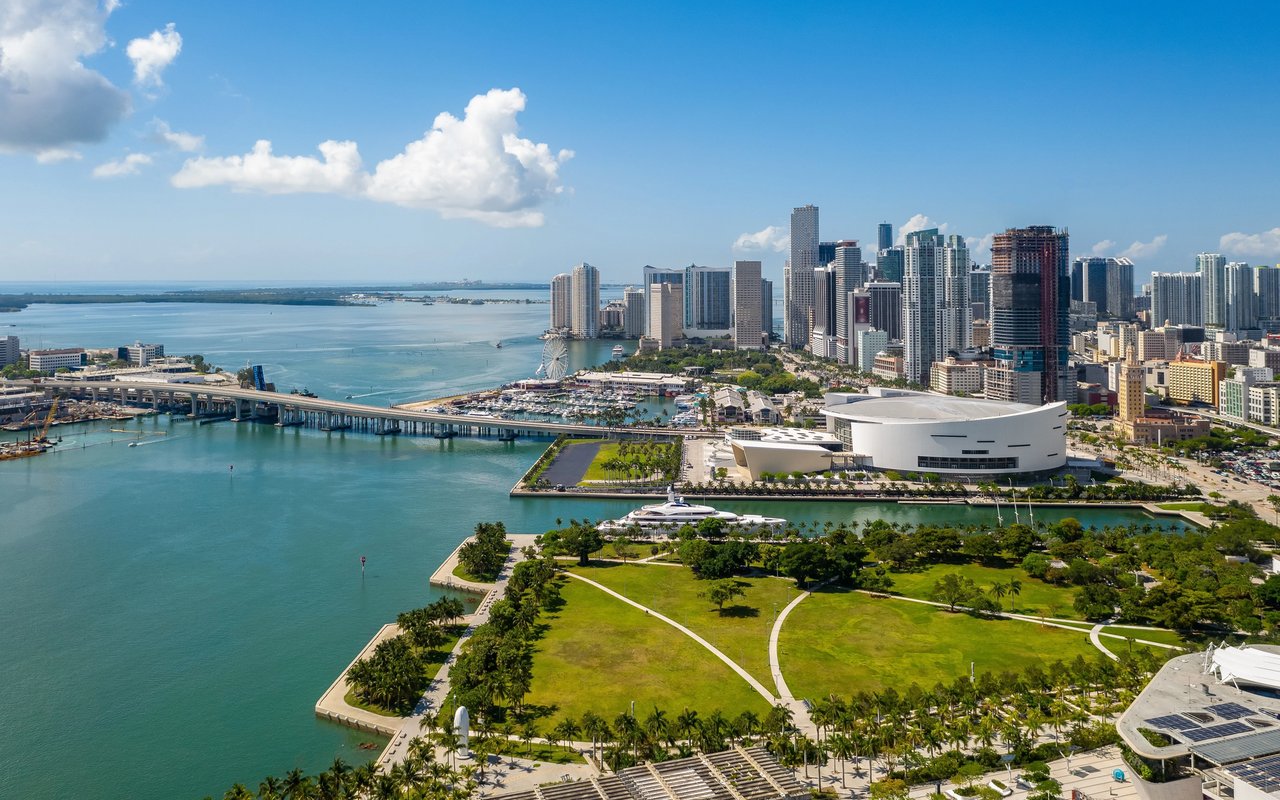
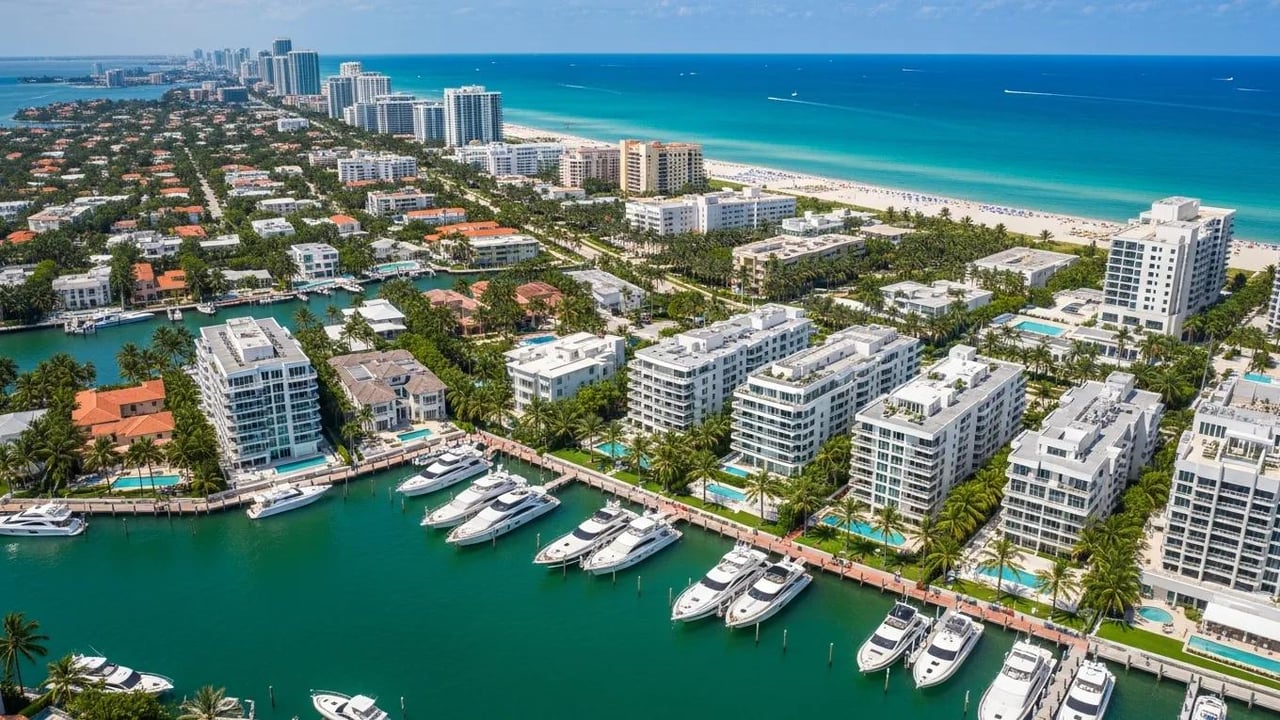
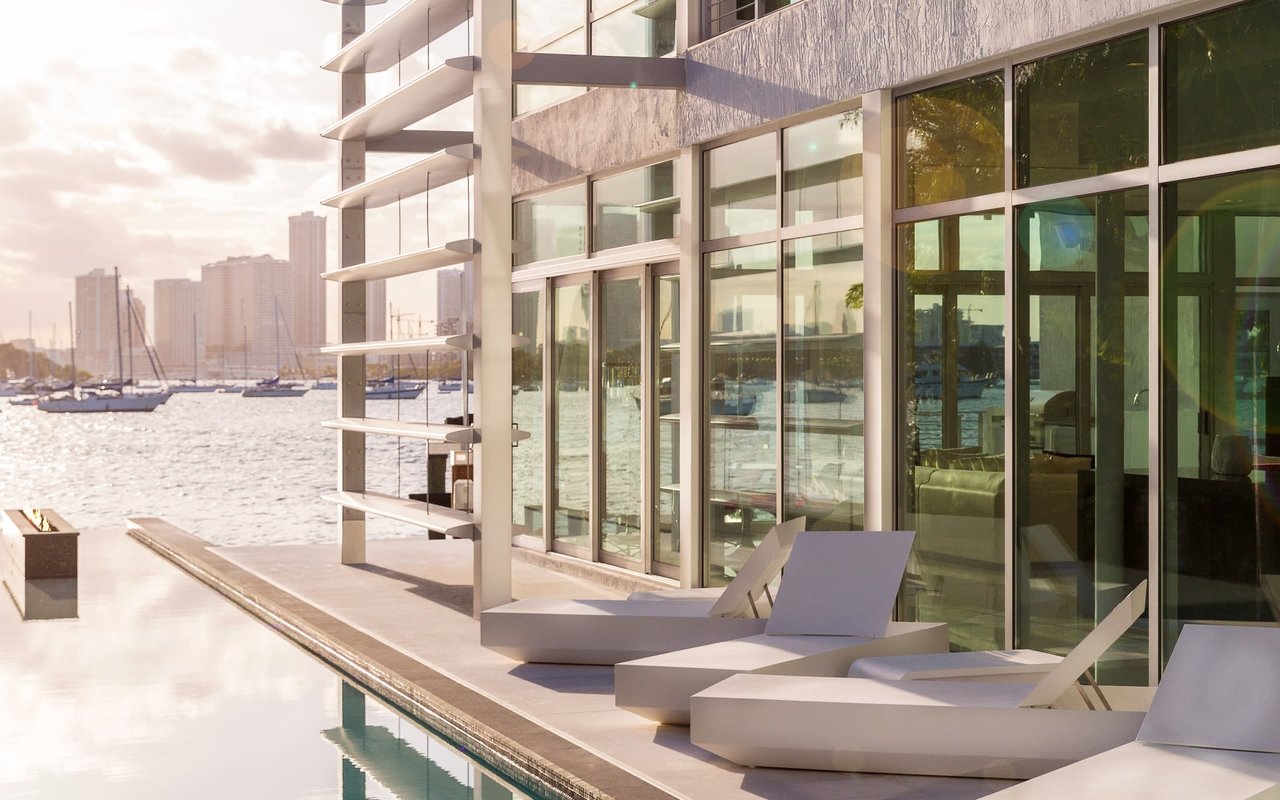
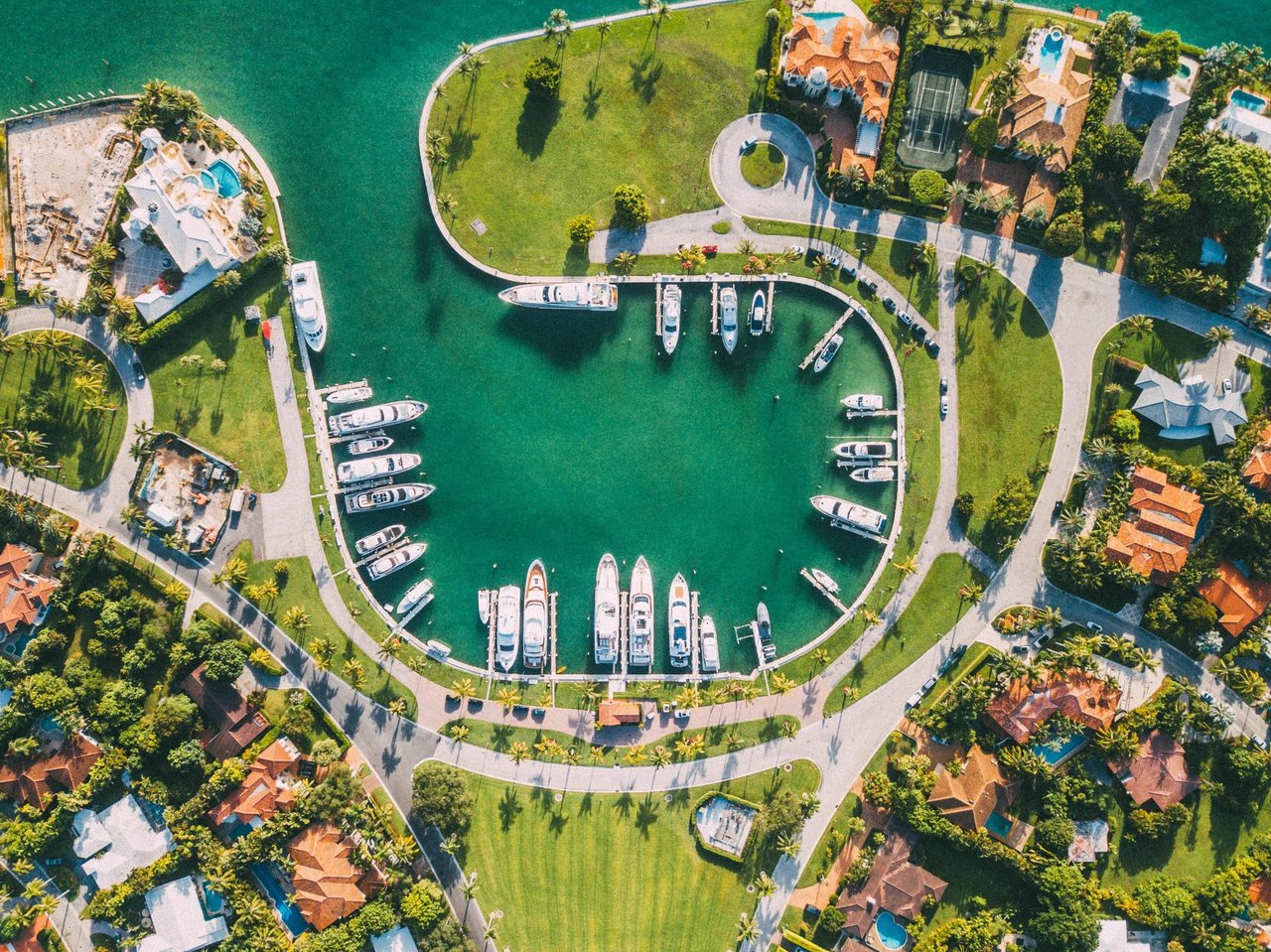
But Miami’s luxury market is not just growing; it is separating from the rest of the housing market. At the highest end, prices are being driven by scarcity. There are only so many waterfront lots with privacy, dock access, skyline views and strong security. In neighborhoods such as Indian Creek, Allison Island, Star Island, the Venetian Islands and Coconut Grove, buyers are not simply purchasing homes. They are buying privacy, status and protection from the ordinary pressures of city life.
For real estate agents and developers, each record-breaking sale raises the value of the next property. A $50 million mansion can start to seem modest when compared with a $170 million estate. In some cases, the land itself becomes more valuable than the house on it, especially when the property sits on rare waterfront acreage.
As high-net-worth individuals continue to acquire prime parcels, understanding the evolving Florida real estate tax structure and upcoming legislative changes is paramount to protecting these massive investments.
How does this effect the Miami Housing market?
However, the billionaire boom also raises serious questions for Miami residents. While ultrawealthy buyers compete for a small number of luxury properties, their presence can still affect the broader market. As more wealthy people move to South Florida, housing prices rise, neighborhoods change and local workers face greater pressure. Teachers, nurses, hospitality workers and young professionals may find it harder to afford homes in the same region where billionaires are buying estates for record-setting prices.
There is also a climate concern. Many of Miami’s most valuable properties sit directly on the waterfront, even as South Florida faces long-term risks from sea-level rise, flooding and stronger storms. Wealthy homeowners can afford elevated construction, private infrastructure, flood protections, insurance specialists and backup residences elsewhere. Ordinary homeowners have far fewer protections against the same environmental risks.
For now, those concerns have not slowed the demand for Miami’s trophy homes. The city’s combination of sunshine, tax advantages, privacy and prestige continues to attract some of the world’s richest people. Miami has become a new kind of billionaire destination, where waterfront land is treated as both a luxury purchase and a symbol of power.
The question is what Miami becomes as more of its most valuable land is bought by people who can afford to treat $100 million as the price of entry. For billionaires, the city offers privacy, wealth and opportunity. For everyone else, it may also bring higher prices, deeper inequality and a growing sense that Miami’s future is being shaped behind the gates of its most exclusive islands.
Source: The New York Times, Realtor.com, The Real Deal, Business Insider, WLRN, WSVN