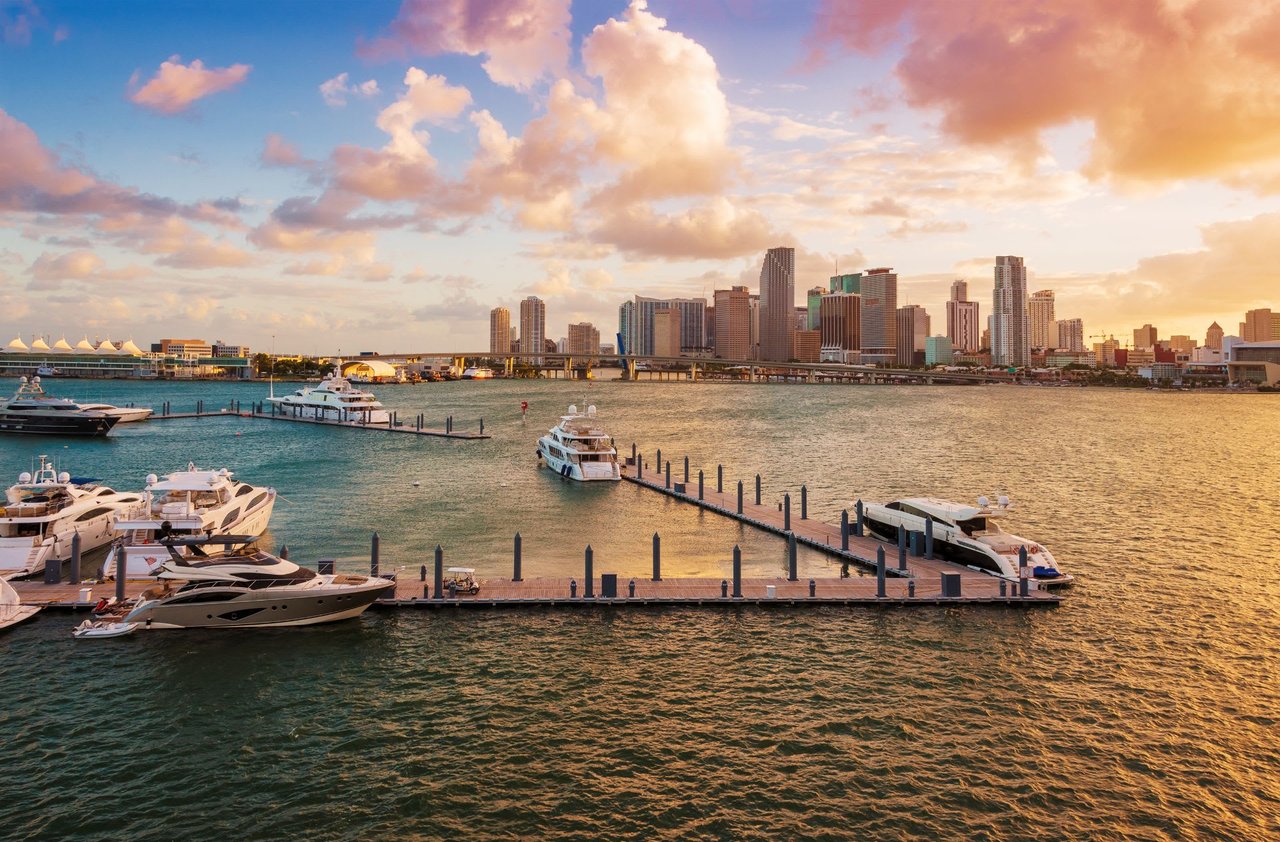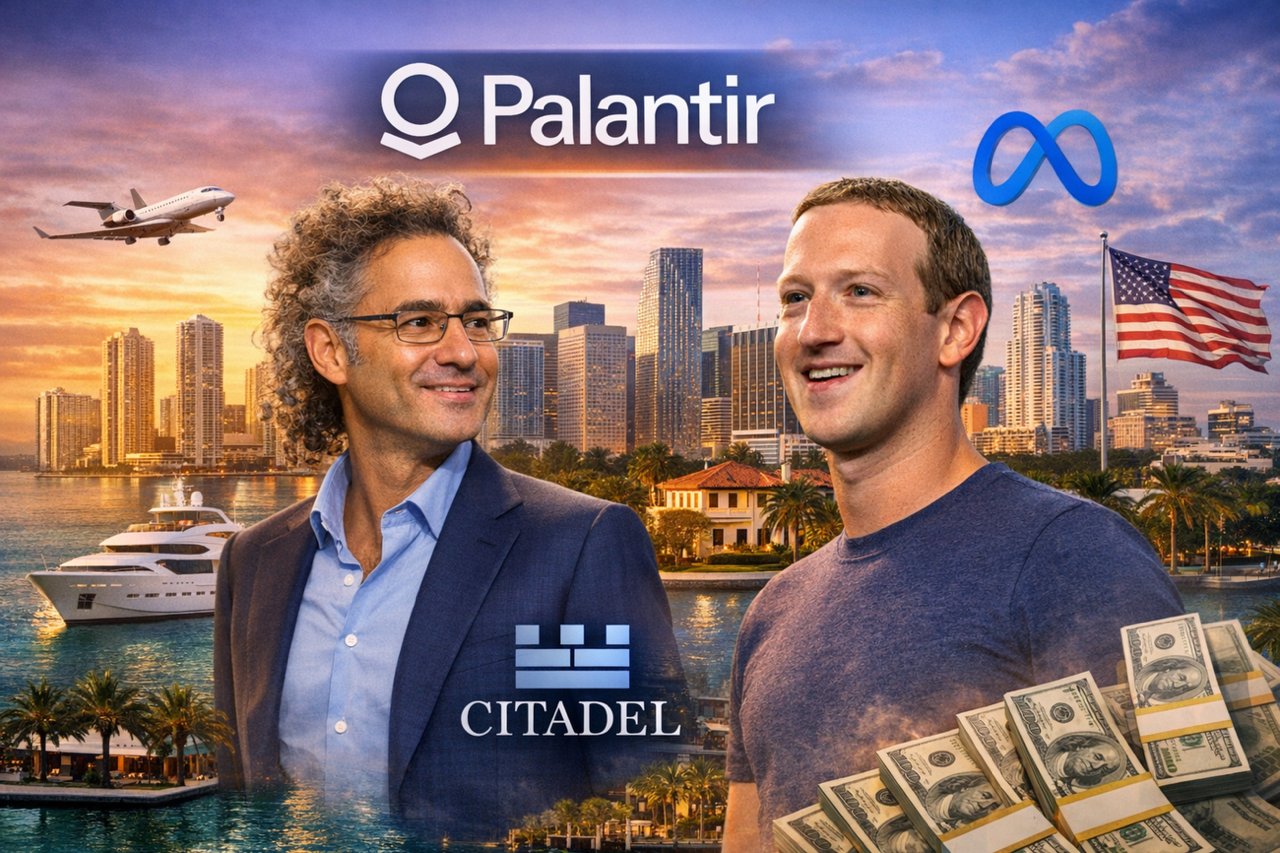
In February 2026, Palantir Technologies announced — in an eight-word post on X — that it had moved its headquarters to Miami. No press conference, no lengthy explanation. Just a statement of fact: the $300 billion AI and data analytics company, one of the most consequential technology firms in the world, now calls South Florida home.
The move made Palantir the largest publicly traded company headquartered in South Florida, surpassing NextEra Energy. It also placed Palantir's leadership alongside a growing roster of billionaires, hedge fund titans, and tech executives who have chosen Miami as their permanent base.
This is not a temporary cycle. It is a redefinition of Miami's role on the national and international stage.
THE SIGNAL
Why Palantir Chose Miami
Founded in Palo Alto in 2003 by Alex Karp, Peter Thiel, and others, Palantir builds software used by defense agencies, intelligence organizations, and large enterprises. Its platforms help governments and corporations make decisions with massive, complex datasets — the kind tied to national security, logistics, and industrial operations. It sits squarely in the AI conversation, but with a distinctly operational edge.
Palantir previously moved its headquarters from Palo Alto to Denver in 2020, when CEO Karp publicly distanced the company from Silicon Valley's culture. Now, just six years later, the company has moved again — this time to Florida.
The reasons mirror the broader migration pattern:
- Tax environment — Florida's zero state income tax versus Colorado's 4.4% and California's 13.3%
- Business-friendly policy — fewer regulatory barriers and a state government that actively courts corporate relocations
- Executive alignment — co-founder Peter Thiel has maintained a Miami residence since 2020 and opened a Founders Fund office there in 2021
- Strategic positioning — proximity to both Washington and Latin American markets, critical for a company with deep government and international contracts
- Talent ecosystem — a growing tech, finance, and venture capital workforce already in place
Palantir reported net income of $1.6 billion on $4.5 billion in revenue for 2025 — more than doubling the prior year's figures. Projected 2026 revenue sits at nearly $7.2 billion. This is not a startup testing the waters. This is a globally consequential company planting its flag.
THE ROSTER
The Names That Signal a Structural Shift
Palantir's move does not exist in isolation. It joins a pattern of high-profile relocations and property acquisitions that, taken together, represent something far more significant than any single headline.
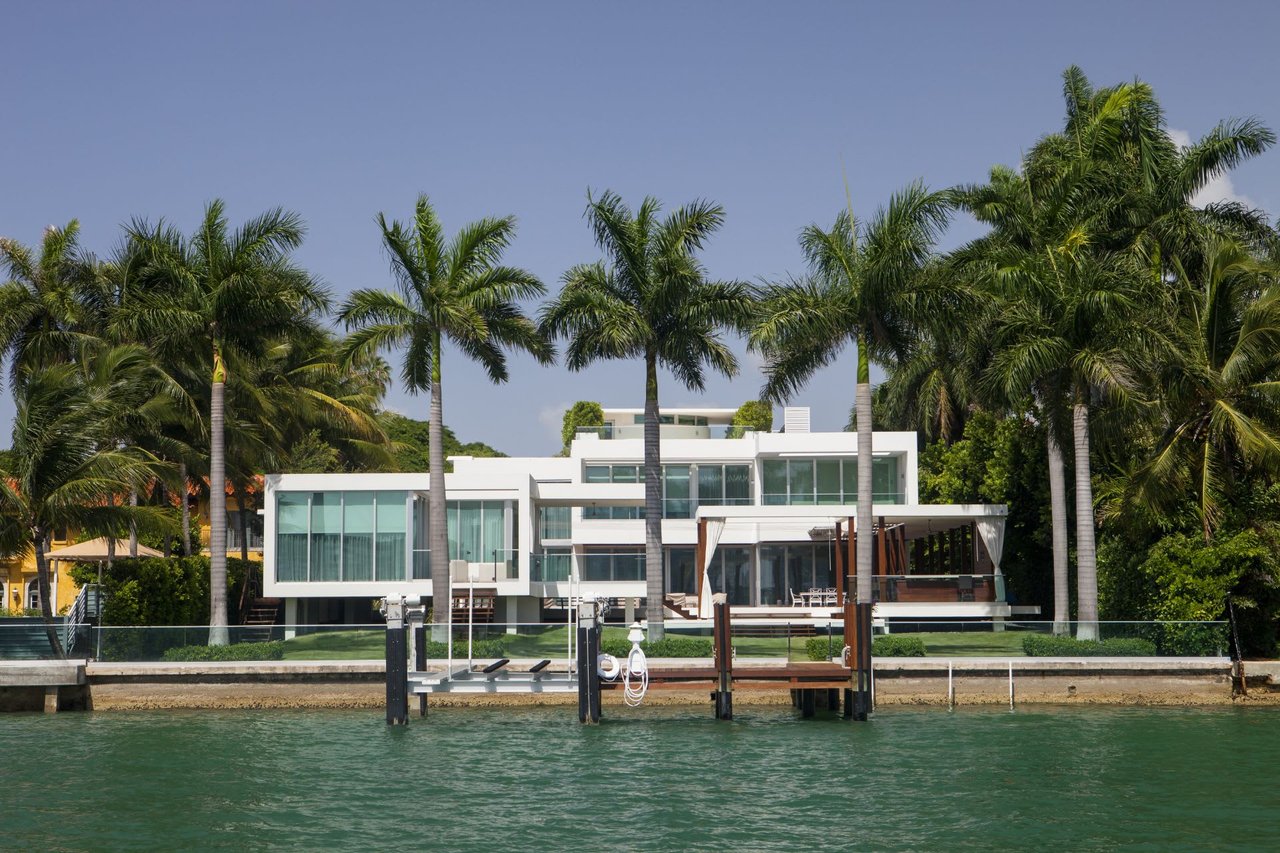
The Meta CEO reportedly acquired a $170 million estate on Indian Creek Island — described as the most expensive residential sale ever recorded in Miami-Dade County. The purchase signals Florida's growing appeal among the very top tier of global tech wealth.
The Meta CEO reportedly acquired a $170 million estate on Indian Creek Island — described as the most expensive residential sale ever recorded in Miami-Dade County. The purchase signals Florida's growing appeal among the very top tier of global tech wealth.
Announced his move to Miami in 2023 and purchased multiple homes on Indian Creek Island. The Amazon founder's relocation sent one of the earliest and strongest signals that South Florida had become a primary residence destination for billionaires.
Palantir co-founder, PayPal co-founder, and venture capital titan. Has maintained a personal residence in Miami since 2020 and opened both a Founders Fund and Thiel Capital office in the city.
Relocated Citadel's global headquarters from Chicago to Miami, bringing one of the world's largest hedge funds — and its entire executive ecosystem — to South Florida. A signal that reverberated through the financial world.
Larry Page and Sergey Brin have also reportedly invested heavily in South Florida property — Page in Coconut Grove, Brin on Allison Island — departures accelerated by California's proposed billionaire tax. The pattern is unmistakable: the people who built the world's most valuable technology and finance companies are choosing Miami as their permanent home.
THE CATALYST
California's Wealth Tax Is Accelerating the Timeline
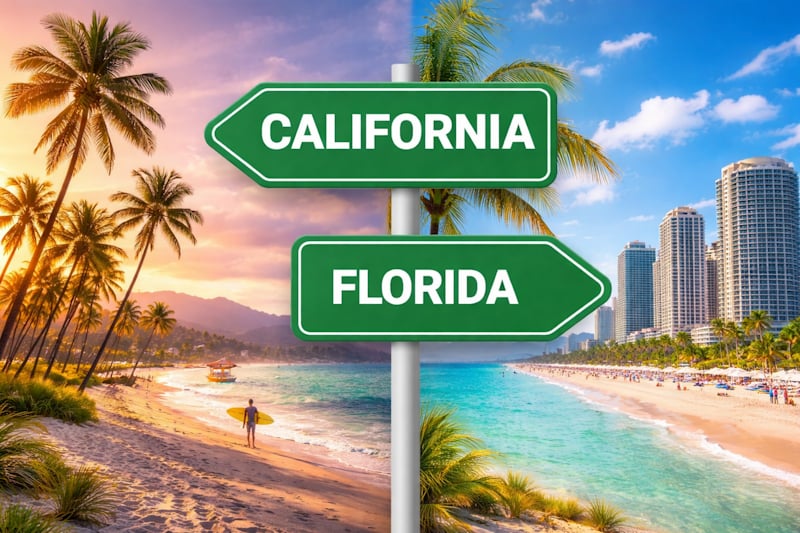
The timing of Palantir's move is not coincidental. California's proposed 2026 Billionaire Tax Act — a one-time 5% wealth tax on residents with net worth exceeding $1 billion — has created urgency among the state's ultra-wealthy. The measure applies retroactively to anyone considered a California resident as of January 1, 2026, and supporters collected 1.6 million signatures to place it on the November ballot.
At least six of California's estimated 214 billionaires left the state before the January 1 deadline. The opposition — co-founded by Sergey Brin and Eric Schmidt — raised over $80 million in Q1 2026 to fight the measure. Whether the tax passes or not, it has already accelerated a migration that was already underway and reinforced Florida as the primary destination for California's departing wealth.
What we are witnessing is not a temporary cycle, but a redefinition of Miami's role on the national and international stage. As more industry leaders establish permanent roots here, the city continues its evolution into a year-round powerhouse where business, finance, technology, and lifestyle converge.
THE RIPPLE EFFECT
What Corporate Relocations Mean for Miami Real Estate
Every headquarters relocation to Miami creates a cascade of demand that extends far beyond the C-suite. Understanding that ripple effect is critical for anyone buying, selling, or investing in this market.
Executive Housing Demand
When a company like Palantir moves its headquarters, executive teams follow. These are high-earning professionals who need luxury estates, premier condominiums, and prime locations — often on compressed timelines. They don't browse casually. They buy decisively, and they buy quality.
The Capital Network Effect
Headquarters bring more than employees. They bring board members, investors, advisors, attorneys, and consultants — all of whom spend time in Miami and many of whom eventually acquire property. A single corporate relocation can generate dozens of additional real estate transactions over the following years.
Ecosystem Deepening
As more companies establish Miami offices, the professional services infrastructure deepens: law firms, accounting practices, wealth management, private schools, healthcare, and philanthropy all follow. This creates a self-reinforcing cycle where each new arrival makes the city more attractive for the next one.
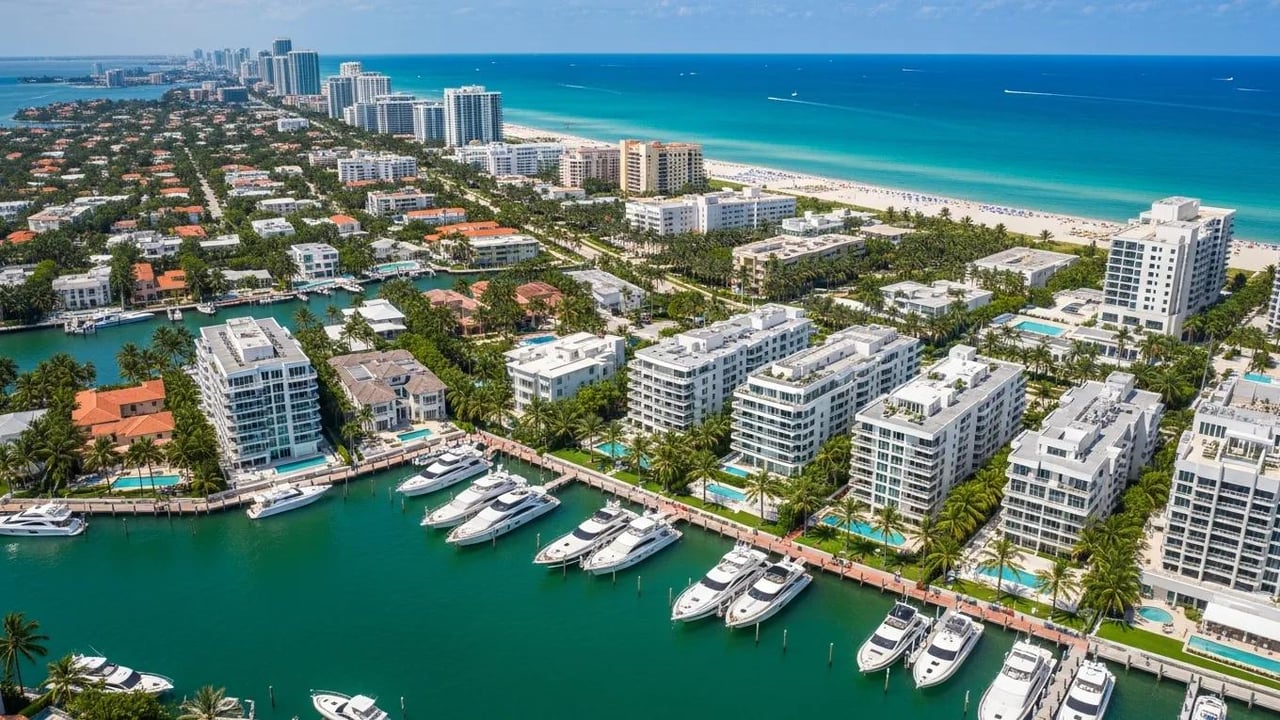
- Waterfront scarcity compounds — demand from tech and finance executives further compresses the limited supply of private, gated properties
- Pricing benchmarks reset — each record-breaking acquisition resets expectations for neighboring properties
- The "flight to quality" intensifies — corporate relocators demand the top tier of product, reinforcing the premium segment while commodity product continues to lag
- Long-term fundamentals strengthen — permanent headquarters create sustained, recurring demand, not one-time speculative purchases
Headquarters relocations are the strongest possible signal of long-term commitment. Unlike speculative investment or seasonal tourism, a company that moves its legal domicile is making a permanent bet on the city. That permanence is what supports property values across Miami's most desirable neighborhoods — not just today, but for years to come.
THE TIMELINE
How Miami Became the New Capital
-
2020 — The First Wave Peter Thiel establishes a Miami residence. Tech founders begin exploring South Florida. The pandemic normalizes remote work and makes location decisions about lifestyle, not just proximity to an office.
-
2021–2022 — The Financial Migration Ken Griffin relocates Citadel's headquarters from Chicago. Thiel opens Founders Fund in Miami. Venture capital firms and family offices follow. Miami's Brickell corridor begins to function as a genuine financial district.
-
2023 — The Billionaire Signal Jeff Bezos announces his move to Miami and purchases multiple properties on Indian Creek Island. The signal reaches a global audience: Miami is no longer an alternative — it is a primary destination.
-
2025 — The California Catalyst California proposes the Billionaire Tax Act. Larry Page, Sergey Brin, and Travis Kalanick leave before the January 1, 2026 deadline. Mark Zuckerberg reportedly acquires a $170 million Indian Creek estate.
-
February 2026 — Palantir Plants Its Flag Palantir announces its headquarters move to Miami — becoming the largest publicly traded company in South Florida. The $300 billion AI firm's decision confirms the migration is no longer about individuals. It's about institutions.
For buyers, sellers, and investors alike, these macro shifts are shaping the future of the market in meaningful and lasting ways. The question is no longer whether Miami has arrived as a capital of tech and finance wealth. The question is how to position within a market that is still being repriced to reflect that reality.