The 2026 Billionaire Tax Act, which is on track to appear on California's November ballot, would impose a one-time 5% tax on the net worth of state residents with wealth exceeding $1 billion. Unlike most taxes, it applies retroactively — anyone considered a California resident as of January 1, 2026 would be subject to the tax, regardless of when they learned about it or whether they've since moved.
On April 26, 2026, supporters announced they had collected 1.6 million signatures — nearly double the 874,641 required to qualify for the ballot. Early polls show 52% of voters inclined to vote yes. For California's estimated 214 billionaires, the math has suddenly become very personal.
THE TRIGGER
A Tax Designed to Block the Exit
The retroactive January 1, 2026 date was not accidental. Tax attorneys say it was designed specifically to prevent billionaires from relocating after learning about the proposal. The measure was filed with the state attorney general in late 2025, and the official title and summary were issued in December — leaving virtually no time for affected individuals to establish residency elsewhere before the eligibility cutoff.
Supporters of the measure, led by SEIU United Healthcare Workers West and drafted by tax scholars from UC Berkeley and UC Davis, argue the retroactive date prevents billionaires from avoiding responsibility by shifting assets or claiming residency elsewhere. They frame it as a necessary response to federal Medicaid cuts and a way to fund healthcare, education, and food assistance.
Critics — including a well-funded opposition group co-founded by Google's Sergey Brin and former Google CEO Eric Schmidt that raised over $80 million in the first quarter of 2026 — argue the aggressive timeline guarantees legal challenges and has already intensified plans to leave. The opposition has proposed three counter-ballot measures designed to neutralize the tax if it passes, including one that would amend the state constitution to prohibit retroactive taxation entirely.
At least six of California's estimated 214 billionaires left the state before the January 1, 2026 deadline, including Google co-founders Larry Page and Sergey Brin and former Uber CEO Travis Kalanick. Those six alone would have contributed an estimated $26.8 billion — more than a quarter of the projected revenue.
THE DESTINATION
Why Miami — and Why Now
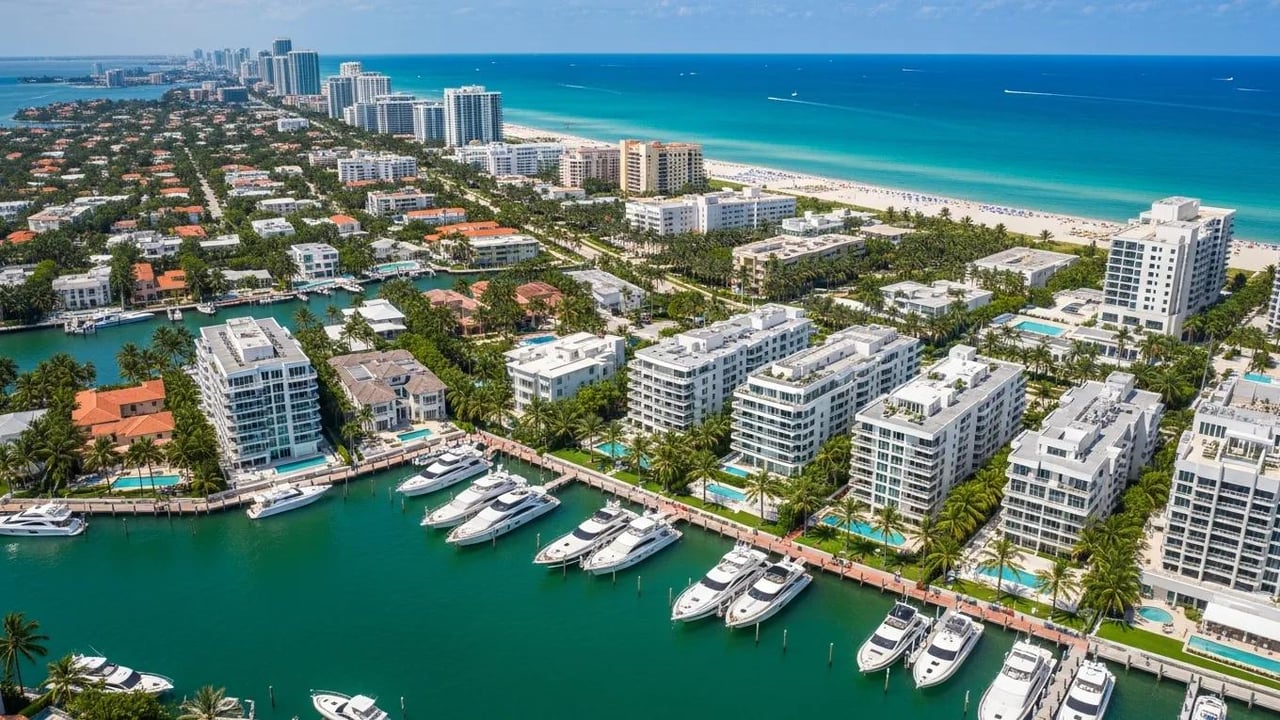
Miami has emerged as the primary destination for California's billionaire exodus. The reasons extend well beyond Florida's zero state income tax, though that remains the foundation.
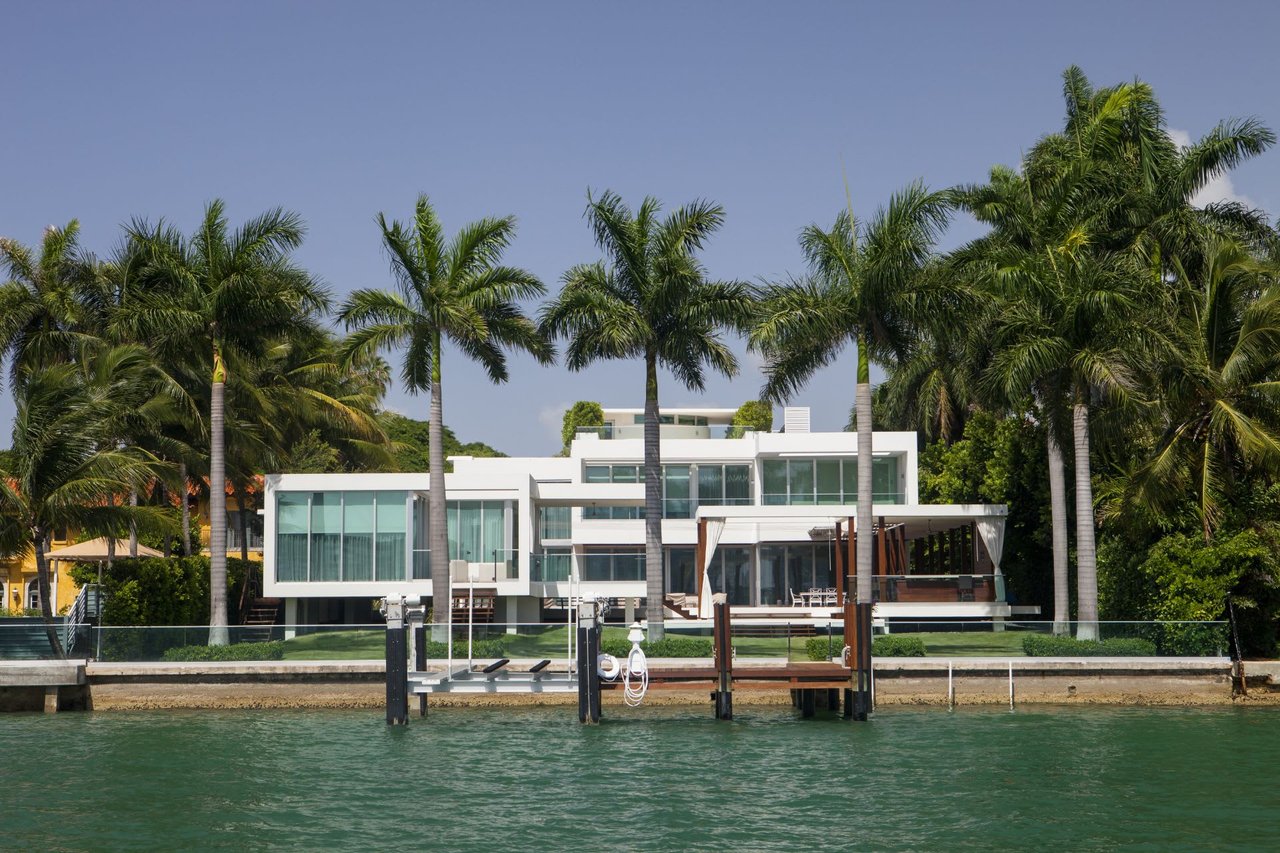
Tech billionaire Peter Thiel confirmed he has maintained a personal residence in Miami since 2020 and opened a Founders Fund office there in 2021. Larry Page has reportedly spent heavily on properties in Coconut Grove. Jeff Bezos announced his move to Miami in 2023 and purchased multiple homes on Indian Creek Island. Sergey Brin bought a waterfront home on Allison Island.
These are not vacation purchases. They are domicile moves — carefully structured relocations designed to establish permanent legal residency in Florida. And tax attorneys say other California billionaires have quietly followed or are making plans to do so.
THE COMPLEXITY
Why Relocation Isn't as Simple as Buying a Condo
For anyone considering a move from California to Florida for tax purposes — whether billionaire or high-earning professional — it's critical to understand that leaving California is legally complex. The state does not simply let wealthy residents walk away.
California applies a "closest connection" test that examines where a taxpayer's strongest personal, social, and financial ties exist. The Franchise Tax Board (FTB) aggressively audits former residents, particularly high earners, and can challenge a domicile change years after a move.
Proving a permanent relocation requires clear intent and typically months of preparation:
- Establish a new domicile — purchase or lease a primary residence in Florida and make it your permanent home
- Update all documentation — driver's license, voter registration, vehicle registration, estate planning documents, and professional affiliations
- Maintain the 183-day rule — spend fewer than 183 days per year in California to avoid "statutory resident" status
- Shift your financial center of gravity — move bank accounts, advisors, accountants, and business operations to the new state
- Build genuine community ties — school enrollment, healthcare providers, social clubs, and religious affiliations in Florida
- Keep meticulous documentation — travel logs, calendar records, and receipts that demonstrate where you actually live day-to-day
Last-minute relocations — particularly those made after a tax proposal is announced — are risky and potentially ineffective. The California FTB can look at patterns of behavior over multiple years, not just the moment a taxpayer claims to have moved.
Even if the billionaire tax passes, attorneys expect significant lawsuits — particularly over the retroactive provision, which some argue violates due process. But wealthy Californians are not waiting for the courts. They are moving now, betting that Florida residency combined with future legal rulings will ultimately shield them.
THE TIMELINE
How It Got Here
-
Late 2025 — Proposal Filed SEIU United Healthcare Workers West files the 2026 Billionaire Tax Act with the California Attorney General. The initiative sets January 1, 2026 as the residency eligibility date — giving billionaires almost no time to relocate before the cutoff.
-
December 2025 — Official Title Issued Attorney General Rob Bonta issues the official title and summary, triggering the signature-gathering phase. Reports emerge of wealthy Californians accelerating relocation plans to Florida, Nevada, and Texas.
-
January 1, 2026 — The Cutoff Date The retroactive eligibility date. Anyone considered a California resident on this date would be subject to the wealth tax if the measure passes. At least six billionaires — including Page, Brin, and Kalanick — leave before the deadline.
-
April 2026 — Signatures Collected Supporters announce 1.6 million signatures — nearly double the threshold needed to qualify. The opposition, funded by more than $80 million, prepares counter-ballot measures. Early polls show 52% voter support.
-
November 2026 — The Vote California voters will decide. Win or lose, the proposal has already reshaped the conversation around state-level wealth taxation — and accelerated the flow of ultra-wealthy residents to Florida.
THE MIAMI EFFECT
What This Means for Miami Real Estate
Every time a billionaire relocates to Miami, the effect ripples through the market in ways that extend far beyond a single property purchase.
When someone like Jeff Bezos buys multiple homes on Indian Creek Island, or Larry Page invests in Coconut Grove, it doesn't just affect the ultra-luxury tier. It signals to the broader market that Miami is where serious wealth is consolidating. That signal attracts more capital, more corporate relocations, more family offices, and more demand at every price point along the way.
The California billionaire tax — whether it passes or not — has reinforced a narrative that is now self-sustaining: Florida is the safer long-term bet for wealth preservation. And within Florida, Miami is the city that offers the combination of infrastructure, lifestyle, privacy, and global connectivity that ultra-high-net-worth individuals require.
- Waterfront scarcity intensifies — every billionaire who arrives compresses the already limited supply of private, gated waterfront properties on islands like Indian Creek, Star Island, and the Venetian Islands
- Pricing benchmarks reset upward — when a $170 million sale sets a new record, $50 million suddenly looks modest by comparison
- Ecosystem effects compound — wealth migration brings family offices, venture capital, professional services firms, private schools, and philanthropy, all of which deepen the city's infrastructure
- The "flight to quality" accelerates — demand concentrates in the top 15% of product, where scarcity is greatest and pricing is most resilient
Whether the California billionaire tax passes or fails at the ballot box, it has already done its work on the ground. The migration pipeline from California to Miami is now structural — and every new legislative proposal in Sacramento reinforces the case for Florida residency.
For buyers and investors watching Miami's market, the lesson is clear: the forces driving demand at the top of the market are not cyclical. They are legislative, structural, and increasingly permanent. Understanding those forces — and positioning ahead of them — is what separates informed decision-making from reactive speculation.