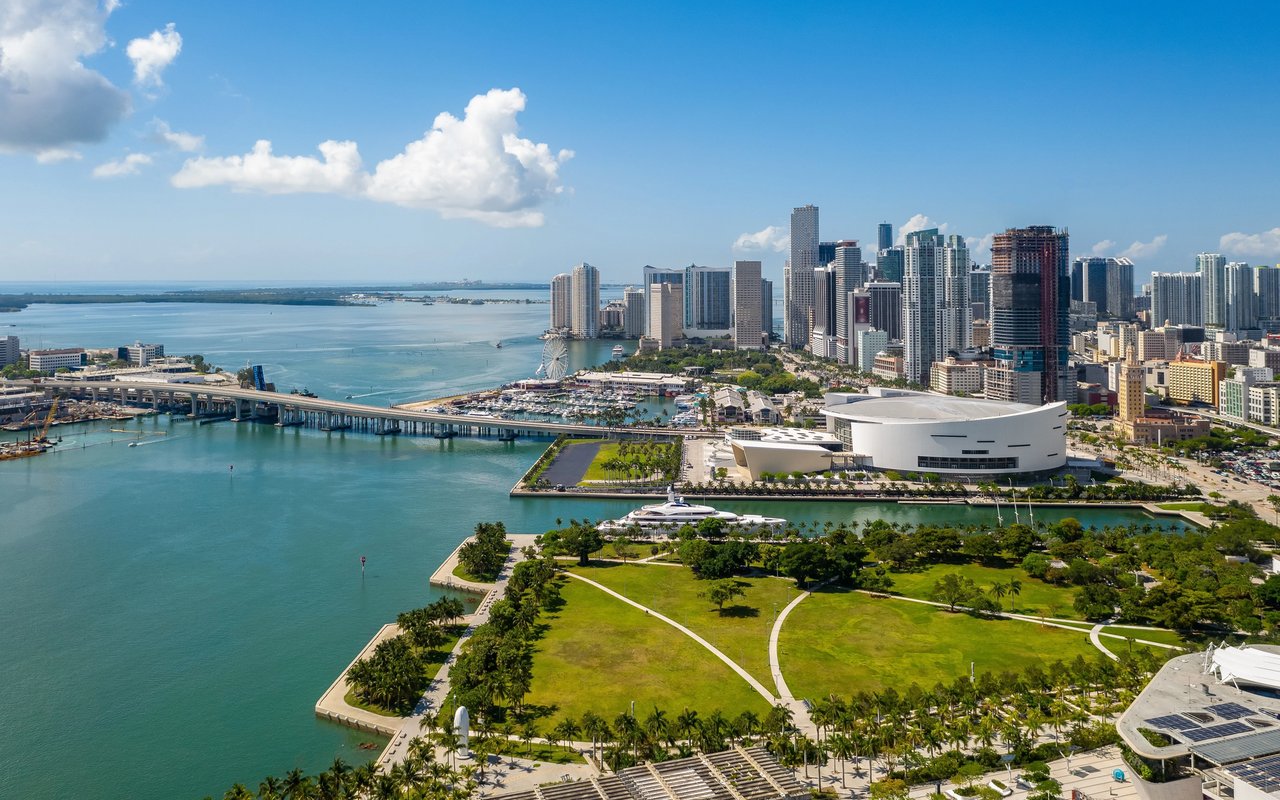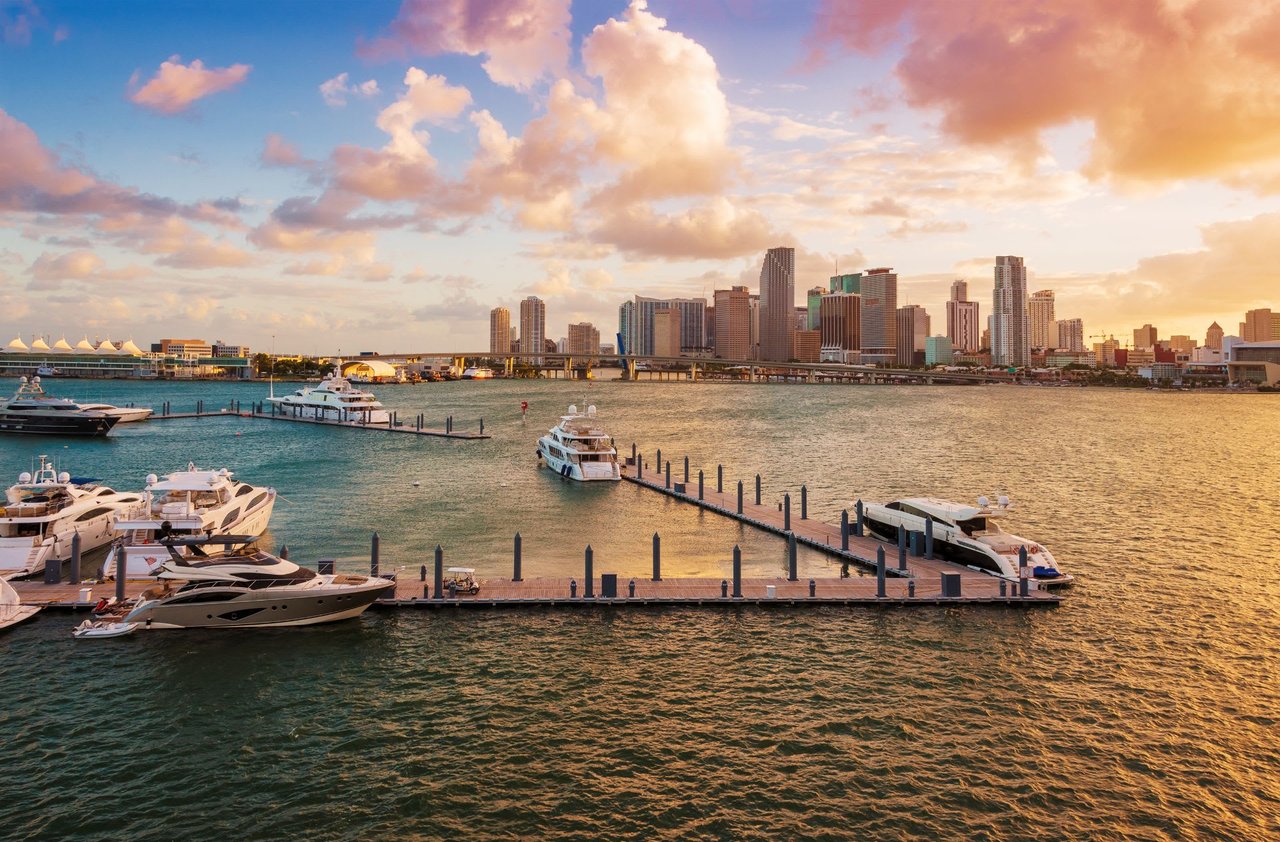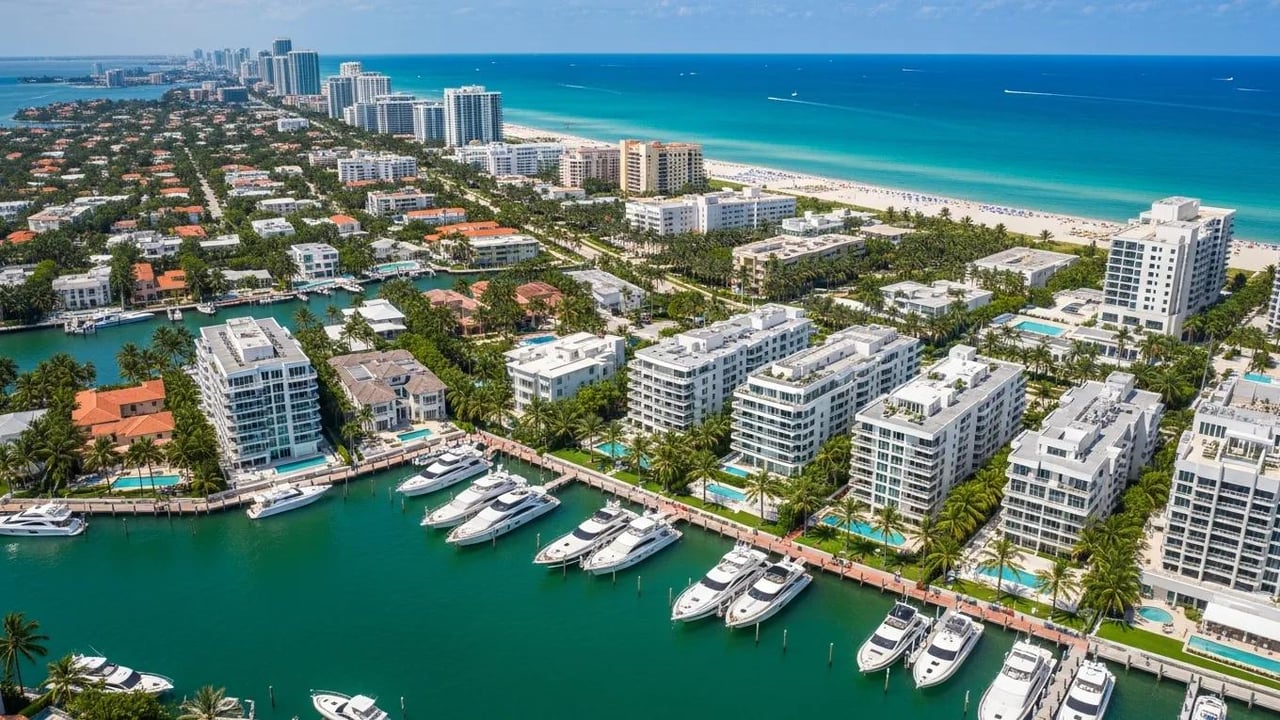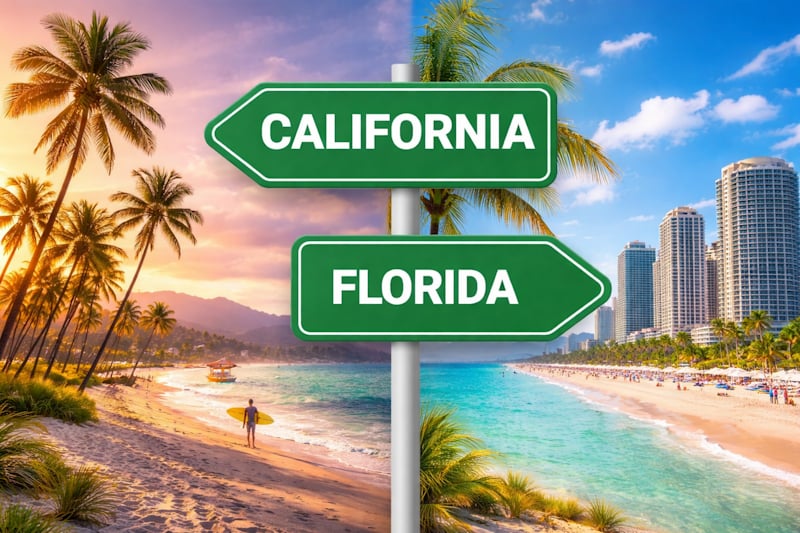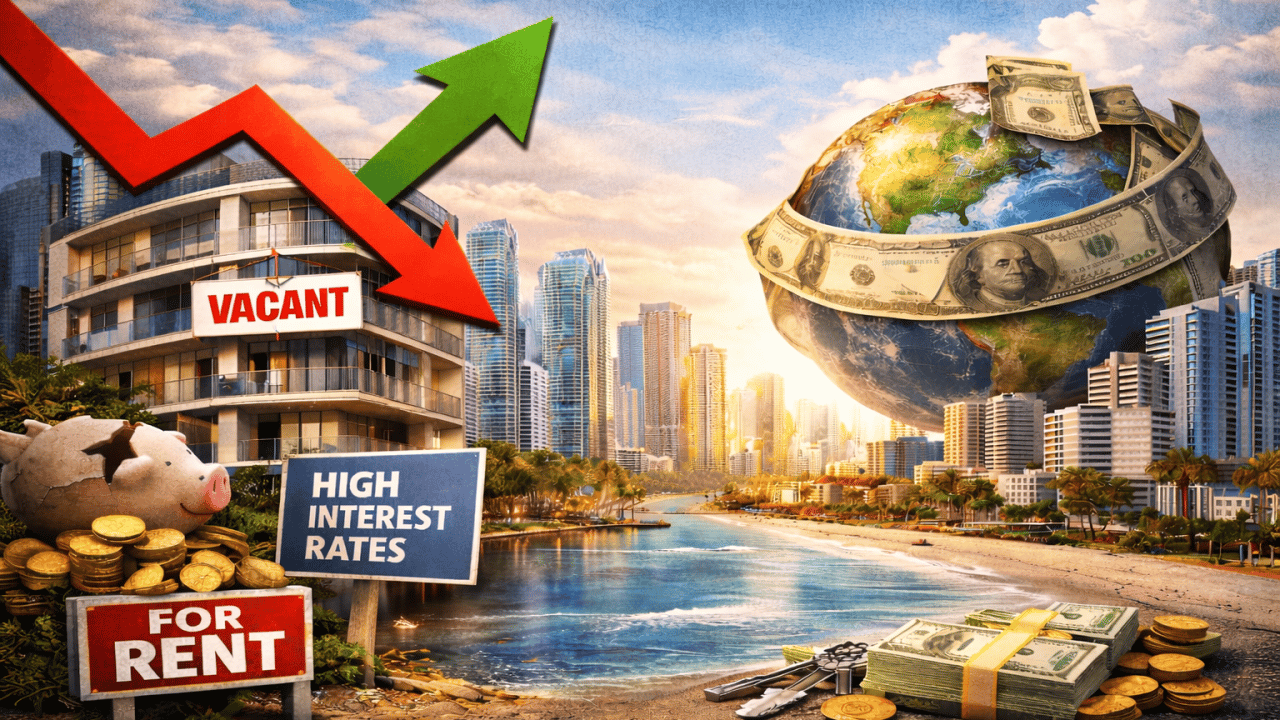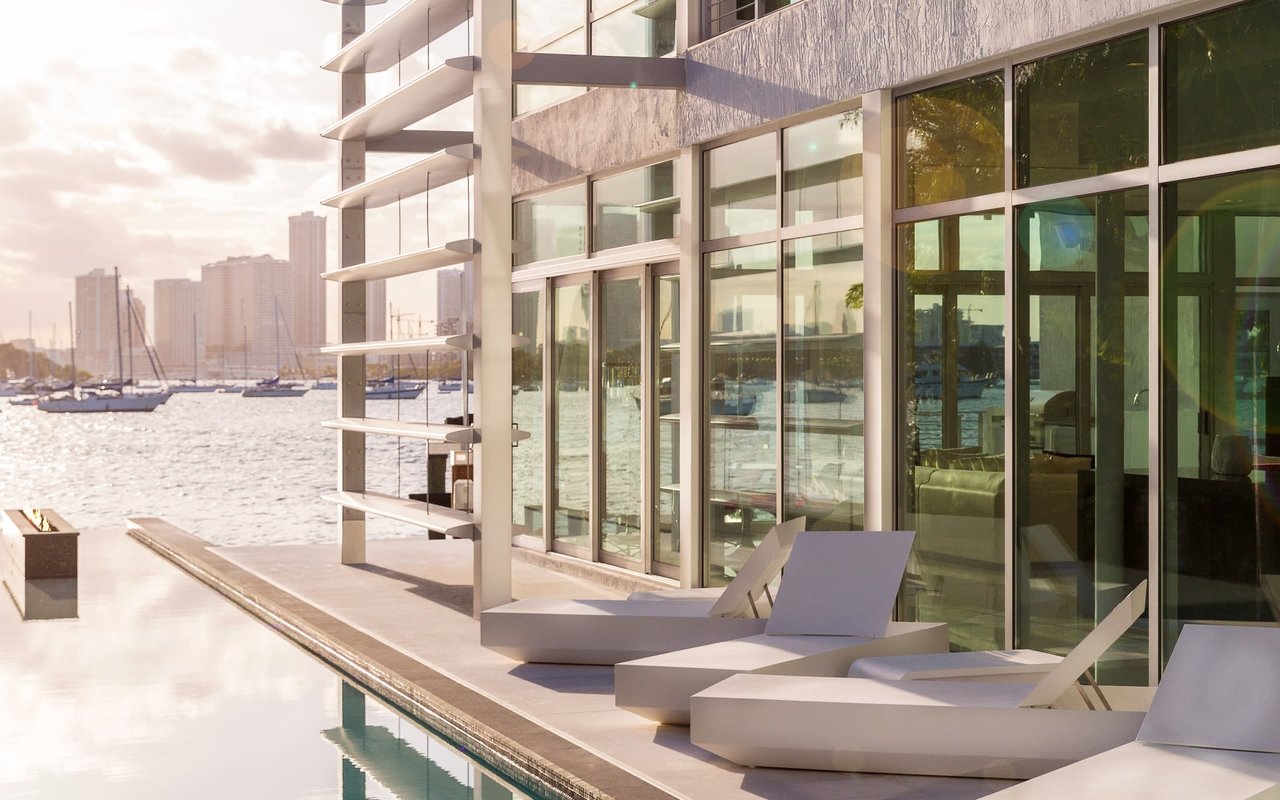
For decades, Miami was defined by what it offered visitors: beaches, nightlife, winter warmth, and the occasional Art Basel cocktail party. But something fundamental has changed. The people moving to Miami today aren't coming for a vacation. They're coming for a life — with daily rhythms, neighborhood routines, and a quality of living that didn't exist here a decade ago.
That shift, more than any tax incentive or interest rate, is what's making Miami's residential market so durable. When people build their daily lives around a city — when they have a morning coffee spot, a school drop-off route, a Sunday ritual — they don't leave when headlines shift. They stay.
THE ROUTINE
A Day in Miami That Didn't Exist Ten Years Ago
Miami has quietly become one of the few U.S. metros where you can move through an entire day — from dawn to dusk — and feel like every hour was designed for the life you actually want. All within a 20–25 minute radius.
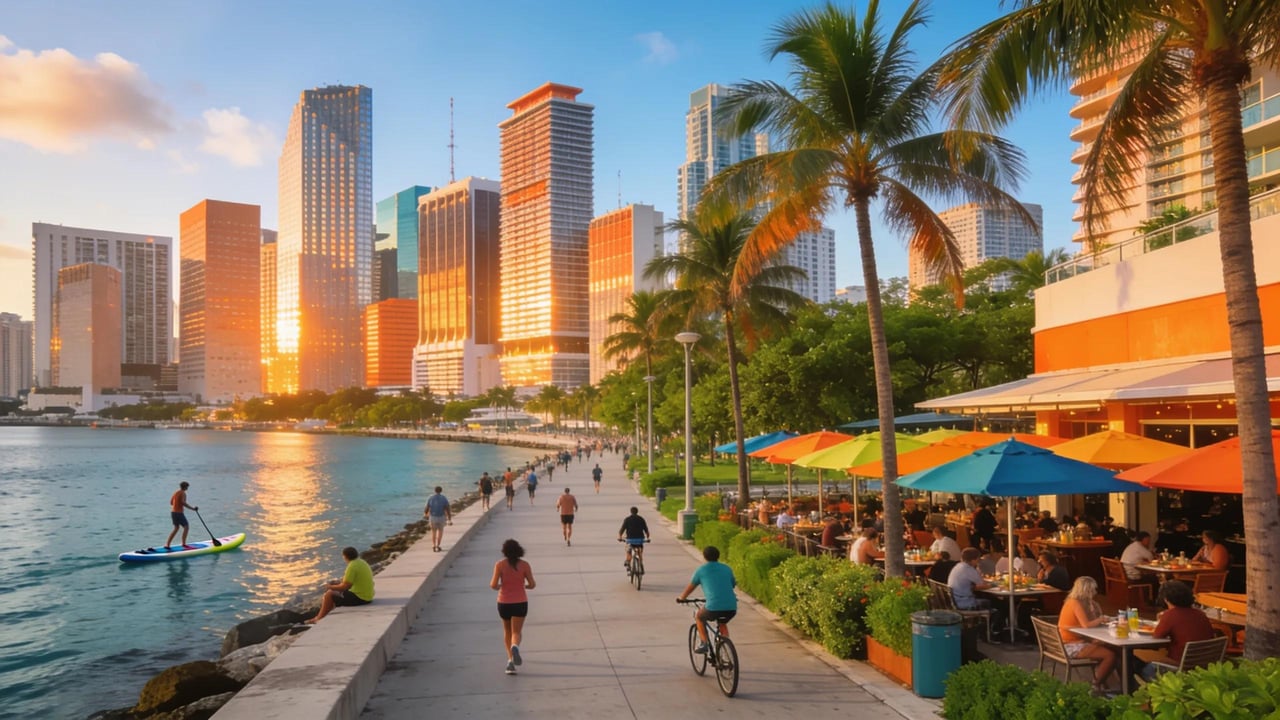
- 6:30 AM — South Pointe A beachfront run along South Pointe Park, with the sunrise over the Atlantic and cargo ships gliding through Government Cut. The kind of morning that makes you forget you're still technically in a major American city.
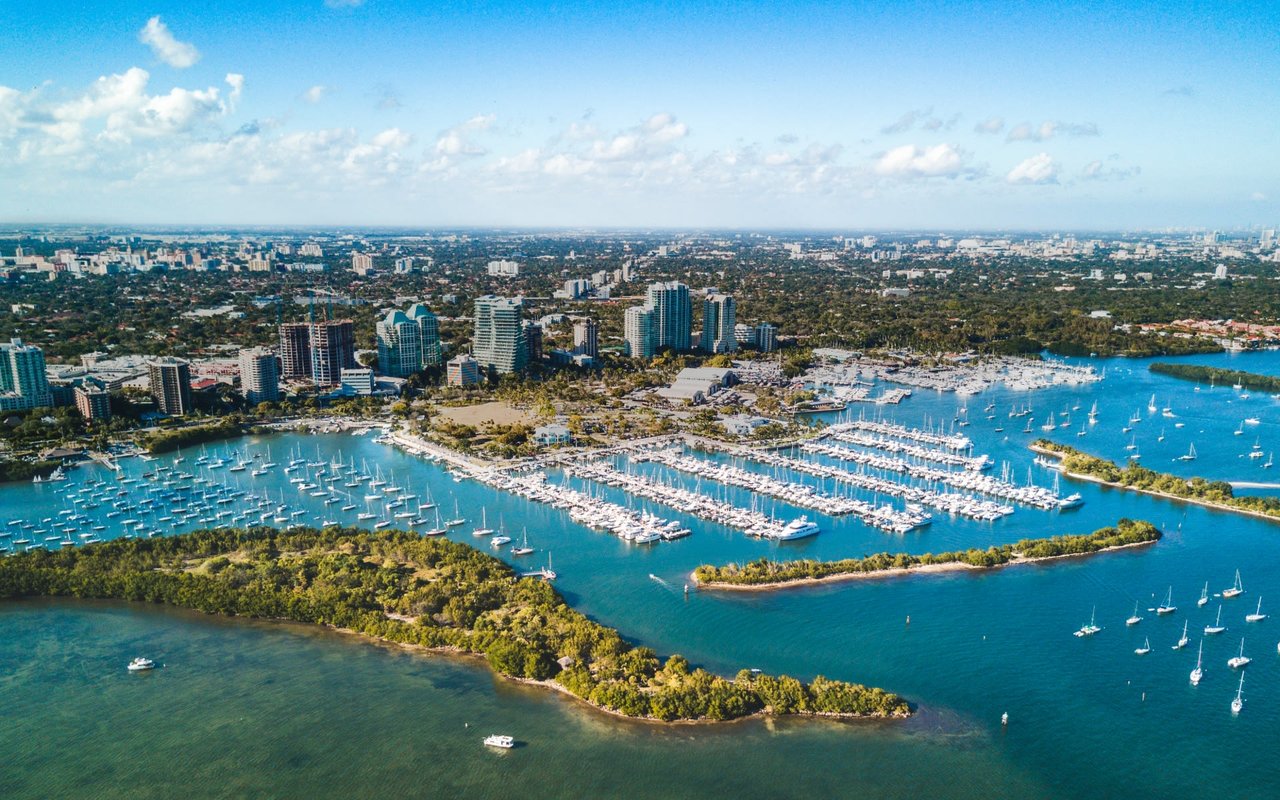
- 8:00 AM — Coconut Grove European-style espresso at a walkable café, children heading to school along tree-lined streets, neighbors who know each other by name. The Grove has become Miami's village — unhurried, rooted, and quietly magnetic.
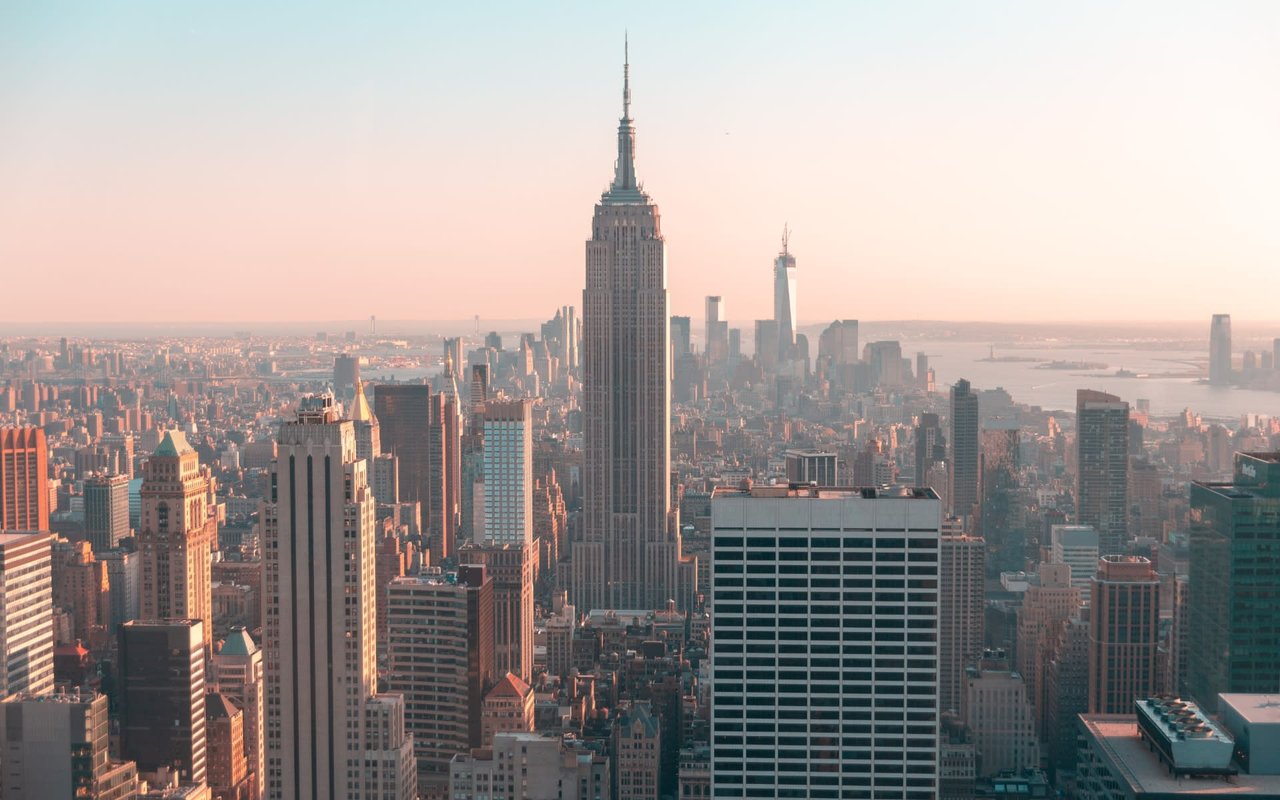
- 10:00 AM — Brickell Working from a luxury hotel lobby or one of the co-working spaces that have proliferated across the financial district. Brickell now functions as Miami's version of Midtown Manhattan — but with better weather and no state income tax.
- 1:00 PM — Design District Lunch at one of Miami's Michelin-recognized restaurants, surrounded by world-class galleries and walkable luxury retail. A neighborhood that feels like it belongs in Milan or Paris — but with Latin warmth.
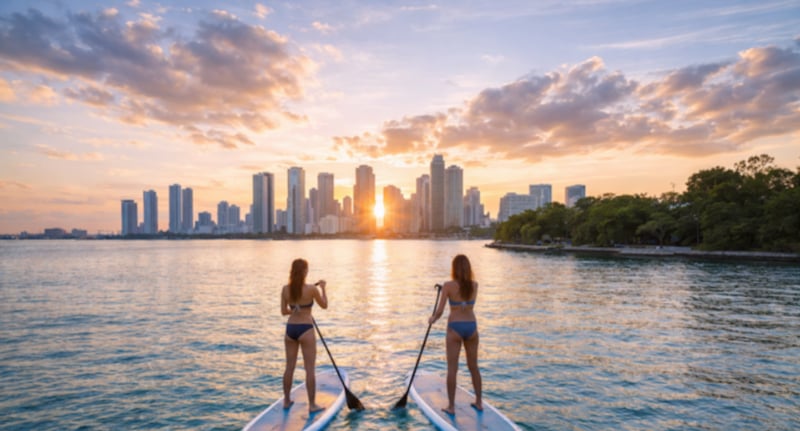
- 5:30 PM — Key Biscayne A sunset paddleboard session or a family bike ride through Crandon Park. All within 20–25 minutes of where you started the morning.
This isn't an aspirational marketing itinerary. It is an actual Tuesday for a growing number of Miami residents. And that — the fact that ordinary days feel extraordinary here — is what keeps people anchored.
The Real Shift
Miami is no longer just a "winter escape." It has become a year-round lifestyle with walkable pockets, neighbourhood rituals, and a quality of life that blends New York dynamism with Caribbean ease.
THE TABLE
A Culinary Scene That Earned Global Recognition
Perhaps nothing illustrates Miami's maturation more than what's happening in its kitchens. A decade ago, the city's dining reputation centered on hotel restaurants and South Beach scene-spots. In 2026, Miami is a legitimate culinary destination — recognized by Michelin, driven by chef-owners, and fueled by the cultural diversity that makes this city unlike any other in the country.
Florida now has 31 Michelin-starred restaurants, with Miami contributing a significant share. The Michelin Guide expanded to cover the entire state of Florida in 2026 — a recognition that the culinary landscape here has reached a depth that demands international attention.
The diversity on the table tells the real story. You'll find Michelin-recognized Nikkei cuisine at intimate chef's counters, Ecuadorian tasting menus earning stars on their first year, French-Cuban fusion in Coconut Grove, and Argentinian parrilla opening in neighborhoods that were industrial corridors five years ago.
Design District
Michelin-starred Japanese omakase at YASU, Nikkei innovation at Itamae Ao, and Tokyo's Oniku Karyu arriving for its first U.S. outpost in 2026. The neighborhood has become Miami's fine dining epicenter.
Coconut Grove
Ariete's French-Cuban soul food, La Sponda's coastal Italian arriving on Grove Isle, and walkable café culture that rivals European neighborhoods. Dining here feels personal, not performative.
Little River
The emergence of a new dining district — from Fooq's triumphant return to James Beard–winner Rodney Scott's Whole Hog BBQ. Chef-driven, neighborhood-scaled, and unpretentious.
Coral Gables
Daniel's steakhouse earning a spot on the World's Best 101 list within four months of opening. Zitz Sum's Bib Gourmand. Buccan expanding from Palm Beach. The Gables are having a culinary moment.
What makes this significant for real estate is that a world-class restaurant scene creates something tax advantages alone cannot: a reason to stay on a Tuesday night. The neighborhoods with the strongest dining and cultural identities are consistently the ones with the most durable property values.
THE BODY
A Wellness Scene That Rivals Los Angeles
Miami's wellness culture has exploded into something that goes far beyond hotel spas and beach yoga. In 2026, the city has become one of America's leading destinations for longevity science, biohacking, and performance optimization — attracting both residents and a growing wellness tourism economy.
Infrared saunas, cold plunge protocols, peptide therapy, IV nutrient clinics, and boutique recovery centers are opening monthly. Dedicated longevity hubs like Centner Gables and Alive Miami offer physician-led programs that include biomarker tracking, hormone optimization, and cellular-level diagnostics. The Faena Hotel hosts immersive biohacking wellness days. And the Ultimate Wellness Conference returns to the Faena Forum in September 2026, drawing global leaders in longevity science.
This isn't niche anymore. Luxury developers have taken notice. New residential buildings in South Florida are now being designed with longevity as a core amenity — featuring built-in reverse osmosis systems, red-light therapy panels in residences, on-site medical teams, and wellness clubs functioning as full clinical practices. At projects like The Well in Coconut Grove, residents receive a medical assessment at move-in as part of their purchase contract.
Why This Matters for Real Estate
The global wellness industry has reached $6 trillion and is on track for nearly $10 trillion by 2029. Wellness real estate alone is a $548 billion market. Miami is positioning itself at the center of that intersection — and the buildings being designed around it are redefining what luxury living means.
THE SOUL
Cultural Institutions That Give the City Depth
A great lifestyle city needs more than restaurants and gyms. It needs places that feed the mind, create shared experiences, and give residents a sense of belonging beyond their own four walls.
Miami's cultural infrastructure has matured dramatically. The Pérez Art Museum Miami (PAMM) continues to anchor the waterfront with exhibitions that draw international attention. Superblue offers immersive, technology-driven art experiences that feel unlike anything available elsewhere in the country. The Adrienne Arsht Center for the Performing Arts programs world-class opera, ballet, and theater. And institutions like Vizcaya Museum and Fairchild Tropical Botanic Garden provide the kind of timeless, family-oriented destinations that turn weekends into rituals.
For families — an increasingly important buyer demographic in Miami — this cultural depth is not a nice-to-have. It is a decisive factor. The ability to spend a Sunday moving between a museum, a botanical garden, and a beach within a single afternoon is something very few American cities can offer.
THE MAP
Walkable Pockets and Neighbourhood Rituals
Miami's biggest transformation may be the quietest one: the emergence of genuinely walkable, neighborhood-scale communities where people build daily habits and real connections.
This is new. For most of its modern history, Miami was a car city — sprawling, fragmented, and organized around highways rather than sidewalks. But in 2026, several neighborhoods have crossed a threshold where walkability, local businesses, and community infrastructure create the kind of stickiness that keeps residents rooted.
- Coconut Grove — tree-lined streets, school walking routes, weekend farmers markets, and a café culture that makes it feel like a small town embedded in a global city
- Brickell Key — morning fitness routines with skyline views, waterfront jogging paths, and a self-contained residential island that creates a surprising sense of village life
- Design District — walkable gallery hopping, outdoor dining, and an aesthetic environment that rewards slow exploration on foot
- Key Biscayne — beach access, family cycling, Crandon Park, and a pace of life that feels entirely separate from the mainland
- Coral Gables — the historic Biltmore neighborhood, Miracle Mile's evolving restaurant row, and some of the best-rated schools in Miami-Dade
These walkable pockets are not just lifestyle amenities. They are the foundation of Miami's pricing resilience. Buyers who are anchored by school drop-offs, morning routines, and community ties don't sell at the first sign of market noise. They've built lives — and that permanence shows up in property values.
The Bigger Picture
Miami's biggest secret? It is no longer just a winter escape. It has become a year-round lifestyle city — with walkable pockets, neighbourhood rituals, and a quality of life that blends New York dynamism with Caribbean ease. That single transformation explains more about pricing resilience than any interest rate forecast ever could.
Fun Miami Fact
Miami is the only major U.S. city founded by a woman — Julia Tuttle — a fitting origin story for a city that constantly reinvents itself with bold vision and energy.
THE CONNECTION
Why Lifestyle Is Now the Strongest Real Estate Driver
For years, the Miami real estate narrative centered on familiar metrics: interest rates, inventory levels, foreign capital flows, and tax migration. All of those factors remain important. But what 2026 has made clear is that lifestyle — the quality of daily living — has become the most powerful and least discussed driver of the market.
Consider the buyer who moves from New York to Miami for tax savings. That buyer might move again if a better financial deal appears elsewhere. But the buyer who moves for tax savings and then builds a life — whose children are in school, who has a morning workout routine, who knows the Saturday farmers market by name, who has a Sunday beach ritual with friends — that buyer is staying for a very long time.
That is the difference between a transactional relocation and a permanent one. And it is the reason Miami's residential market has shown resilience that pure economic analysis can't fully explain.
Beyond the world-class dining and culture, establishing residency early allows relocators to secure the highly advantageous Florida homestead exemption, shielding their primary residences from excessive tax burdens.