Miami property prices don't follow a simple formula. Understanding what actually drives pricing here — beyond square footage and location — is the difference between a confident purchase and an expensive mistake.

Miami's real estate market behaves unlike most U.S. cities. Prices have continued climbing even as affordability has declined, because the forces shaping this market are global, not just local.
Factor 01
Location — But Not in the Way You Think
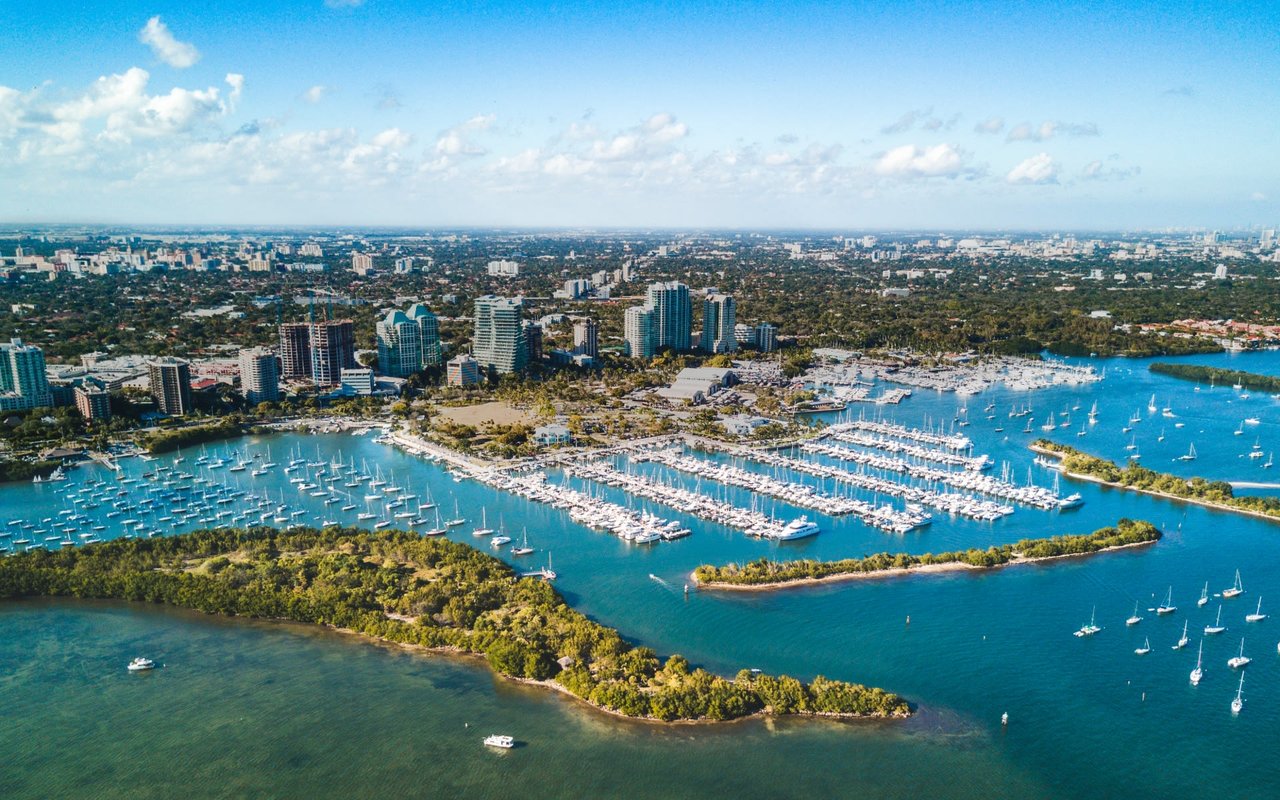
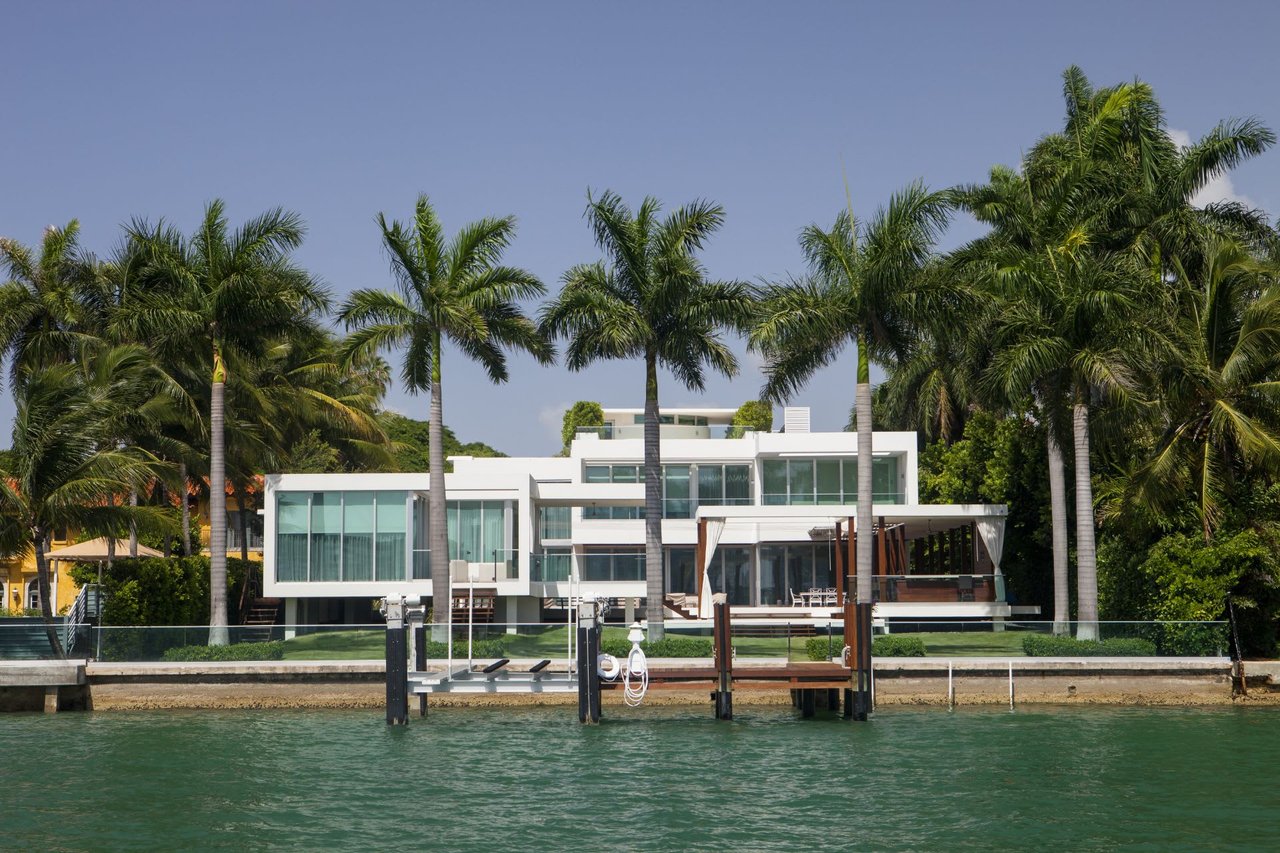
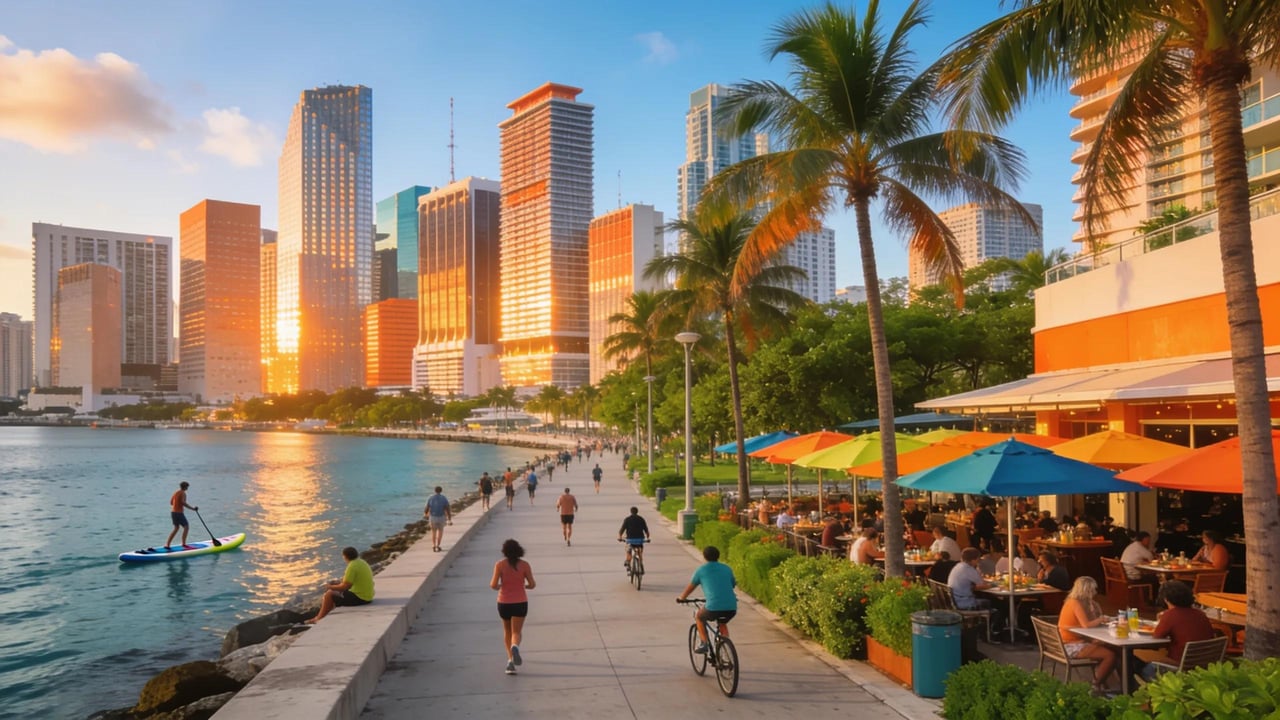
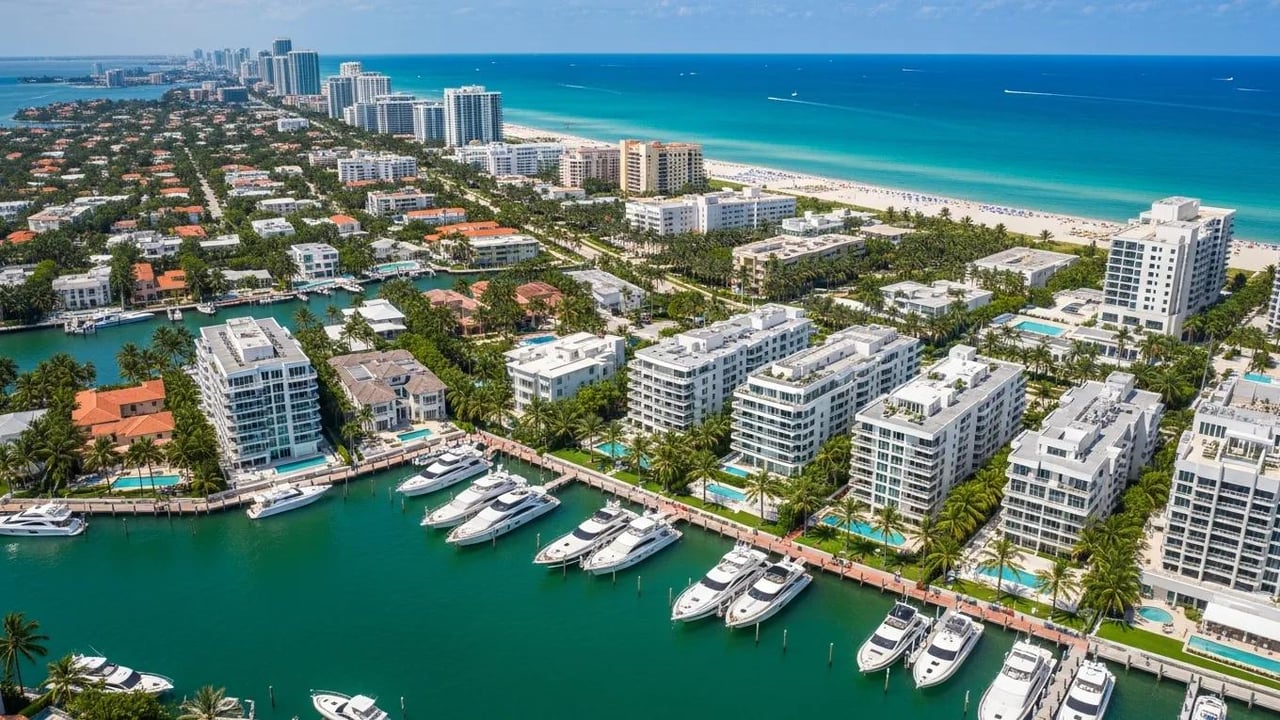
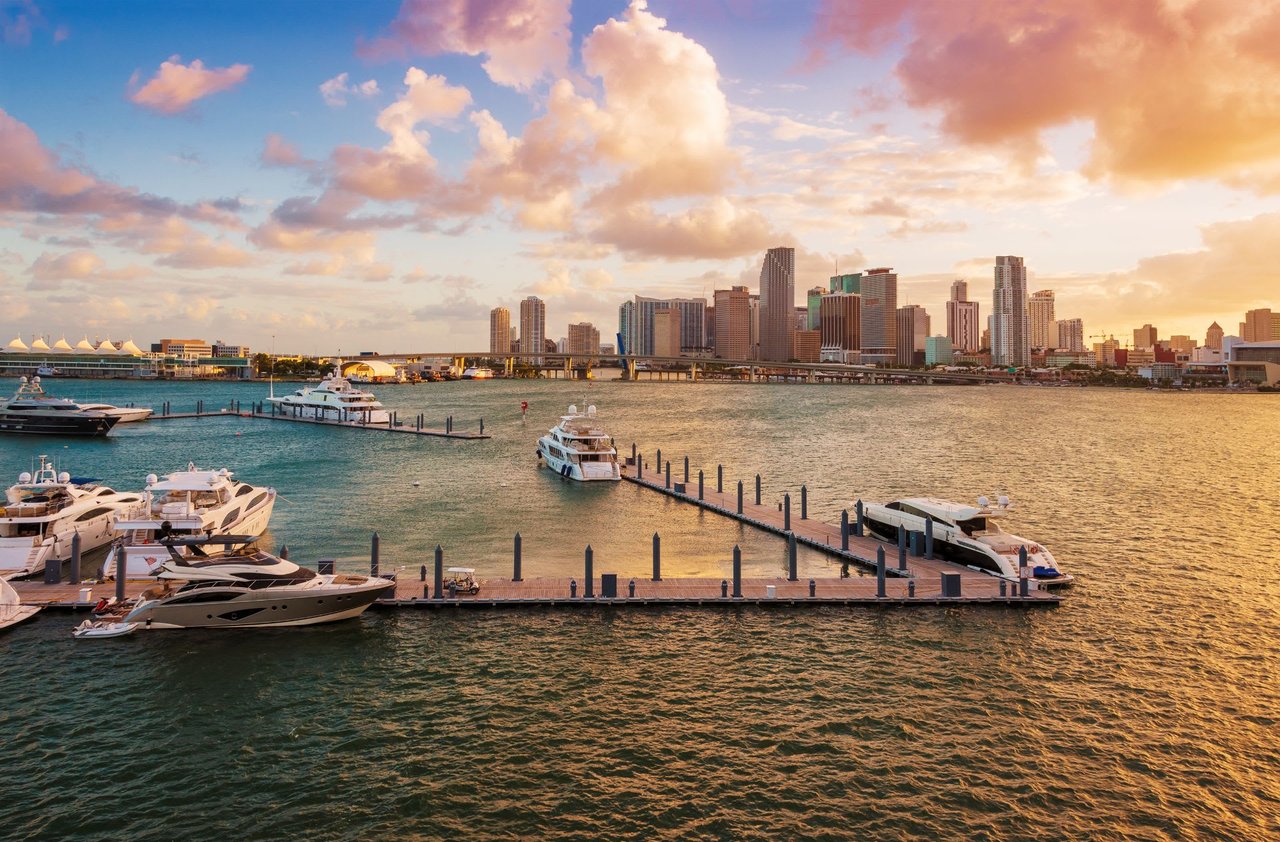
In Miami, location means waterfront access, privacy, and scarcity — not just proximity to downtown. The gap between waterfront and non-waterfront properties is not a premium. It is a separate market.
- Direct water access vs. water views — properties with private dockage command significant premiums over views only
- Gated vs. non-gated — private islands like Indian Creek carry a security and exclusivity premium
- Lot size and depth — large waterfront lots are irreplaceable; land value increases as supply shrinks
Ready to search waterfront properties? Browse all available Miami listings here.
Factor 02
Global Capital Flows and International Demand
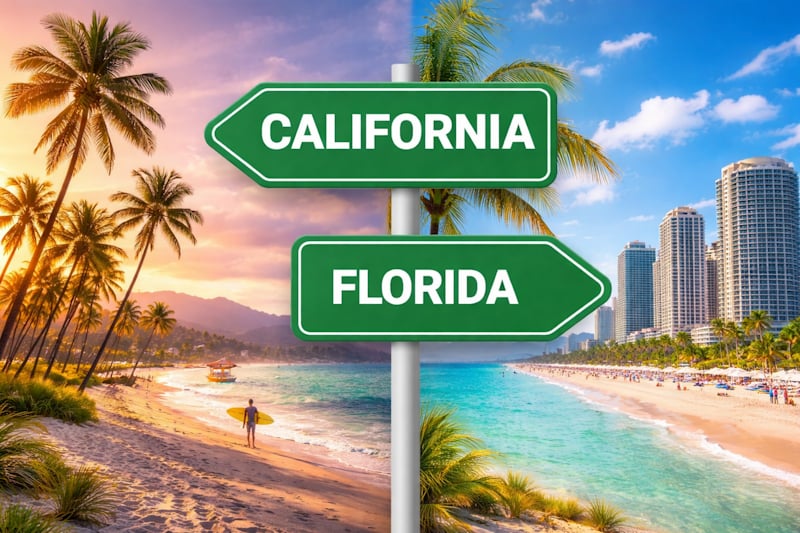
Miami's pricing is set at the intersection of global capital markets and the investment preferences of ultra-high-net-worth individuals from Latin America, Europe, and the Middle East. When California proposes a wealth tax, billionaires move to Florida and compete for the same limited supply of trophy properties.
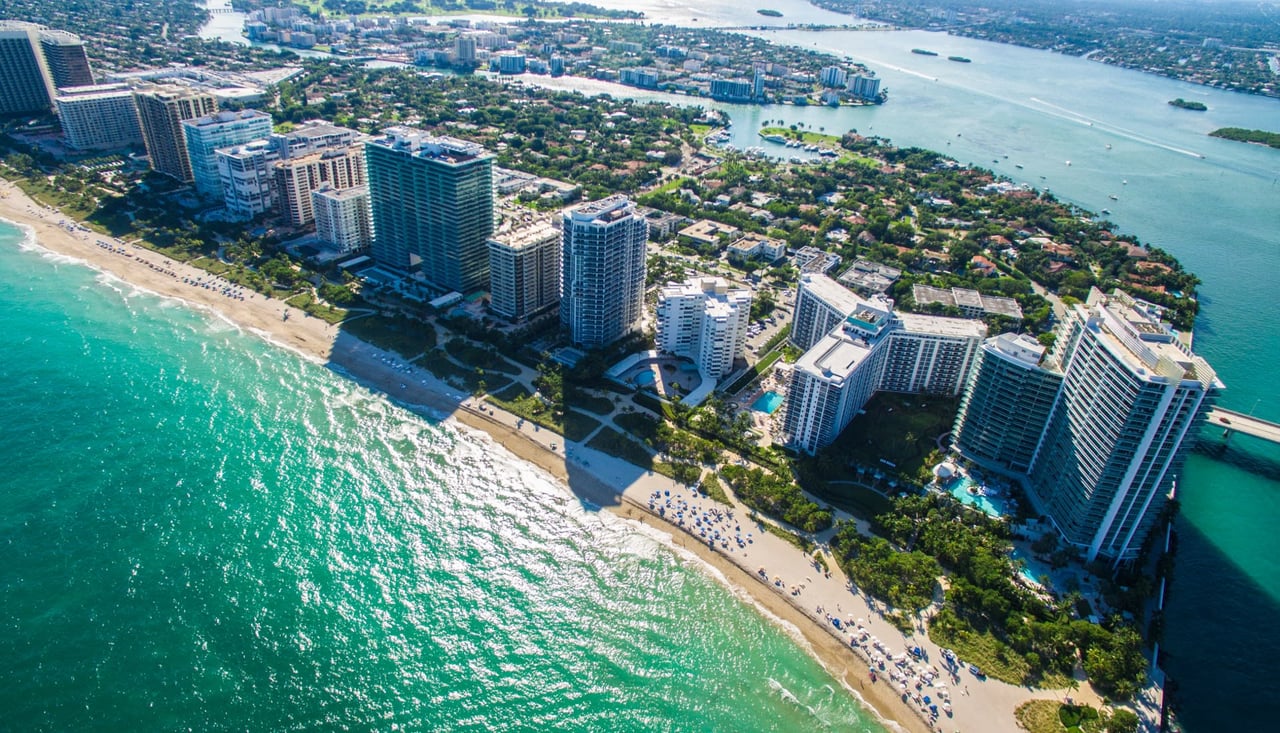
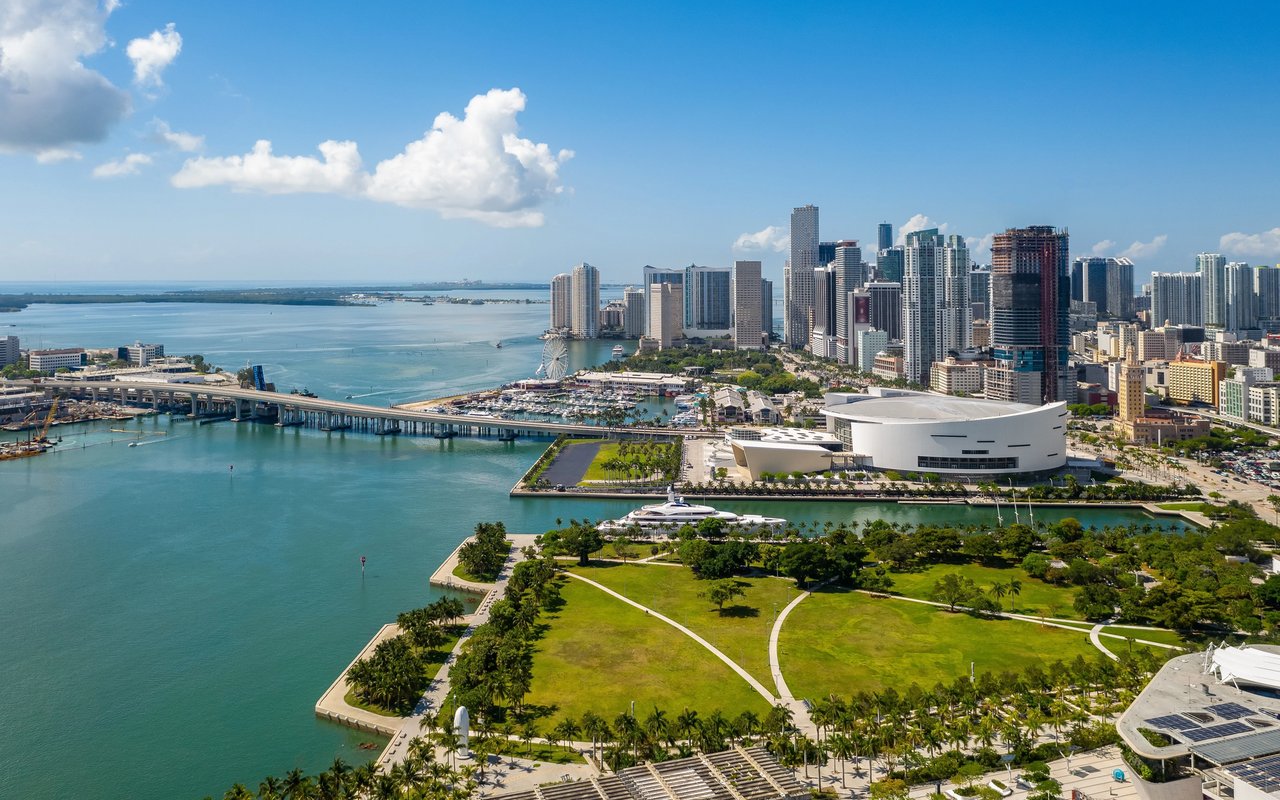
 Brickell — Miami's financial district, now home to global hedge funds, family offices, and tech companies
International buyers accounted for 15% of all residential purchases in Miami in 2025 — five times the national average. They price property relative to their home markets, not local income levels.
Factor 03
Supply Constraints and the Scarcity Premium
Miami Beach is an island. Indian Creek has 34 homes. These are hard physical limits. When demand from billionaire buyers increases — as it has dramatically since 2020 — the only variable that adjusts is price. This is the structural driver behind the $170 million Zuckerberg purchase on Indian Creek.
Factor 04
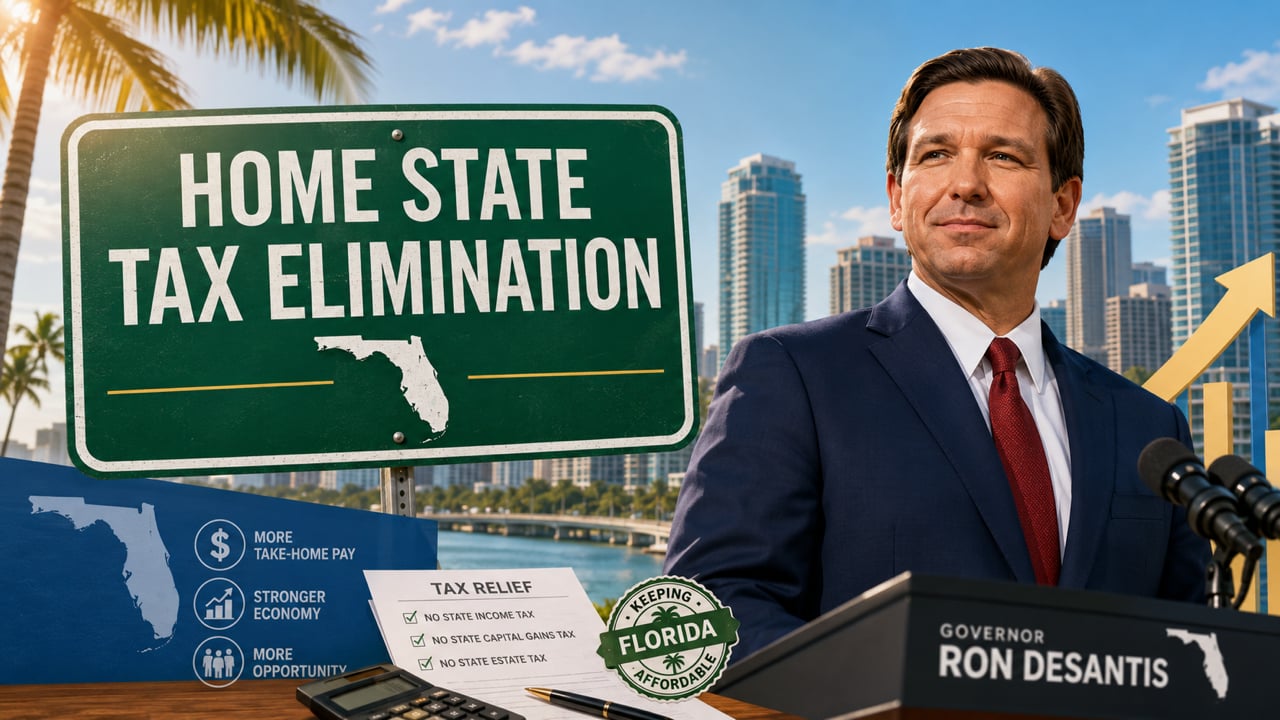
Tax Environment and the Florida Advantage
For a family earning $1 million annually, moving from New York City to Miami saves approximately $110,000 per year in state and city income taxes — directly increasing effective buying power for Miami real estate.
California: 13.3%
New York: 10.9%
New Jersey: 10.75%
Illinois: 4.95%
State income tax: 0%
Estate tax: None
Homestead exemption: Up to $50,000
Save Our Homes cap: Max 3% annual increase
Factor 05
Building Quality and the Flight to Quality
The 2025 Miami market confirmed a structural split: top-tier product held firm while generic commodity condos softened. Premium factors include branded residences (Four Seasons, St. Regis), wellness infrastructure, private marina access, and current structural certification and reserves.
Factor 06
Seasonal Patterns and Market Timing
Miami's peak buying season runs October through April. Summer months can occasionally create opportunities for counter-seasonal buyers. However, major events — the FIFA World Cup this summer, Art Basel in December, Formula 1 in May — increasingly disrupt traditional seasonal patterns.
Miami property pricing is the result of overlapping forces — global capital, local scarcity, tax migration, building quality, and international demand — that interact in ways no single metric captures. The buyers who succeed here understand those forces.
Whether you are buying, selling, or investing — use our tools to get started.
Search Properties → Home Valuation → Investment Calculator →