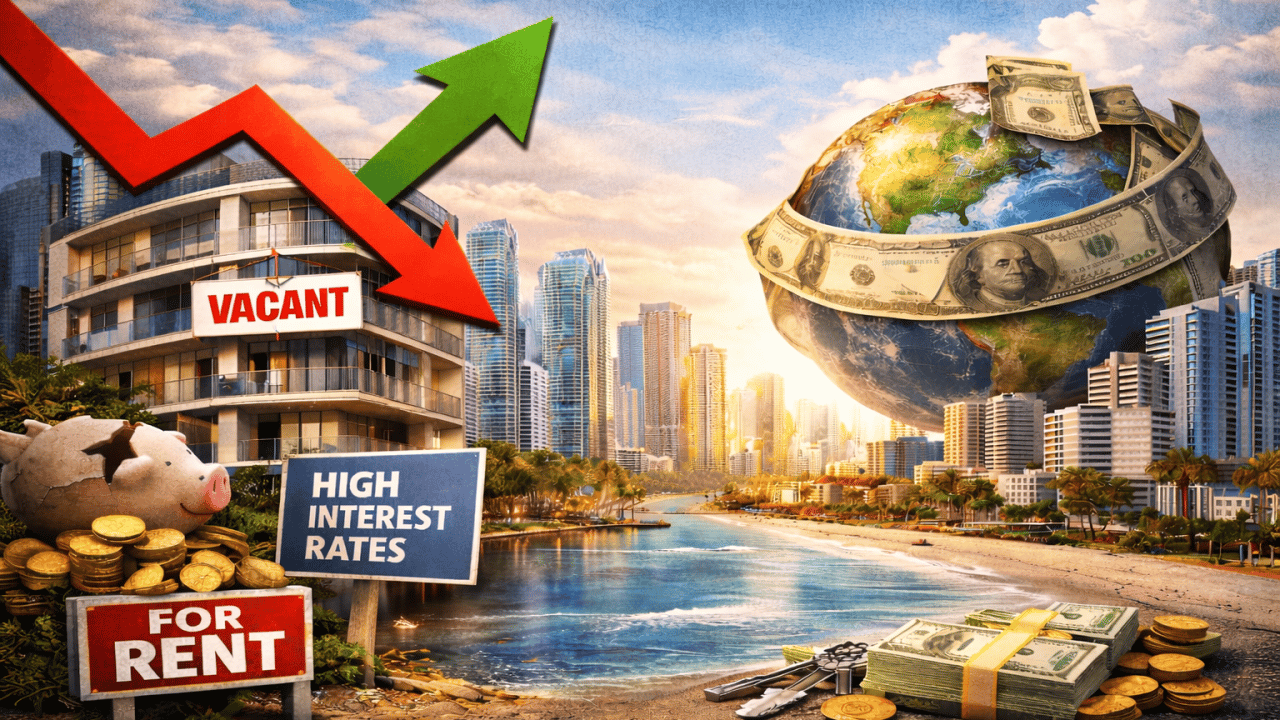
Why Property Markets Often Behave Opposite to What Economics Predicts
After many years working with investors and property markets, one thing becomes clear very quickly:
Real estate does not always follow traditional economic logic.
In theory, the rules seem simple. If prices rise too much, demand should fall. If interest rates increase, prices should decline. If many apartments are empty, values should drop.
But in reality, property markets frequently behave in ways that appear contradictory or even irrational.
This phenomenon is often referred to as the Real Estate Paradox.
It is not a single formal economic theory, but rather a concept used by investors, economists, and market professionals to describe situations where the real estate market behaves in ways that defy conventional expectations.
Over time, several recurring paradoxes appear again and again in global property markets.
1. The “Prices Rise Even When Housing Is Unaffordable” Paradox
One of the most common contradictions in real estate.
Economic logic says: When housing becomes too expensive, demand should decline and prices should fall.
Reality: Prices often continue rising even when fewer people can afford to buy.
Why does this happen?
Several structural forces drive this paradox:
- Institutional investors purchasing properties instead of end-users
- Limited housing supply in desirable cities
- Foreign capital entering the market
- Property owners refusing to sell below perceived value
As a result, prices can continue rising even when local incomes cannot keep pace.
This dynamic can be observed in global markets such as:
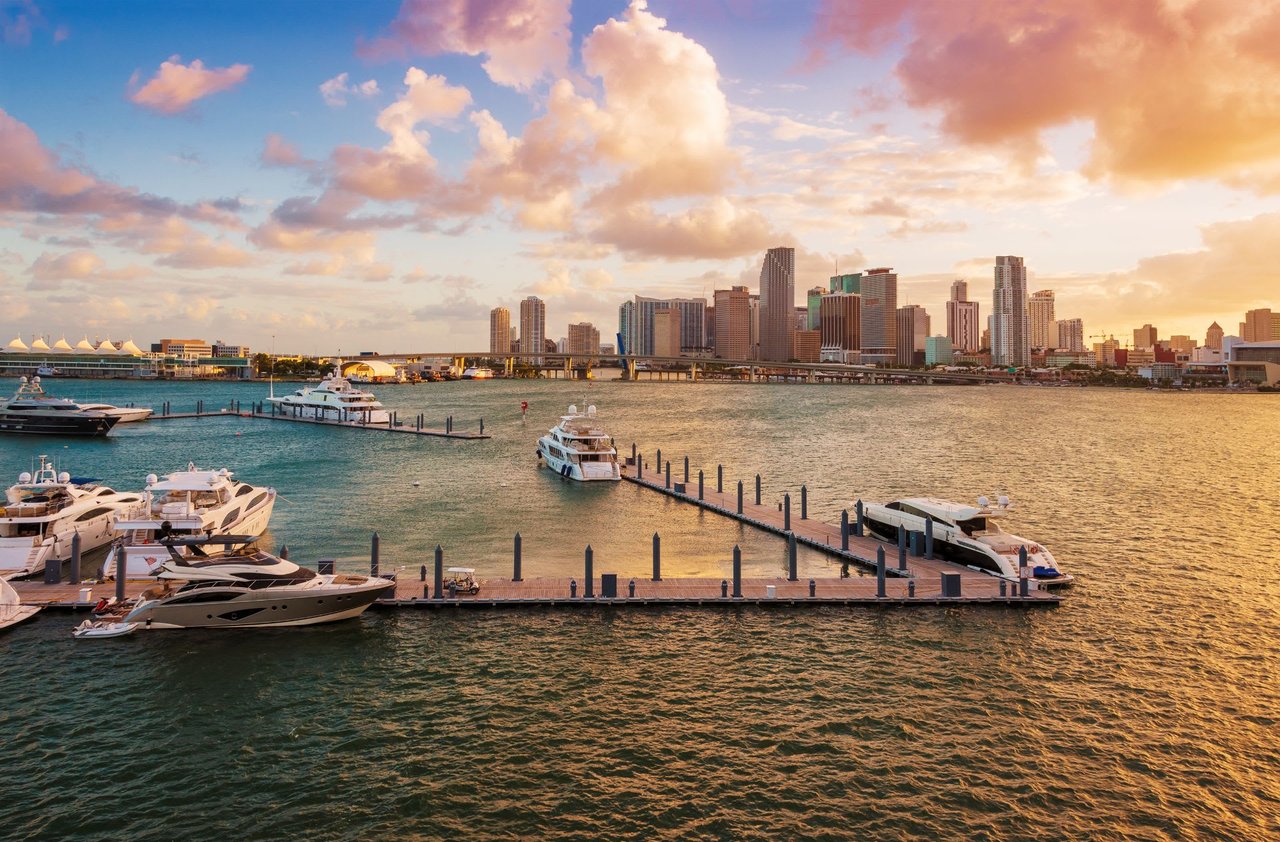
- Miami
- New York City
- London
In these cities, the housing market is no longer driven solely by local residents, but increasingly by global capital and investment demand.
2. The “Vacant Yet Expensive” Paradox
Another surprising phenomenon occurs when large numbers of apartments remain empty, yet property prices stay high. Economic theory suggests: Vacant units indicate oversupply, which should push prices downward. However, reality often looks very different. Prices remain strong even while units sit empty. Why?
Because many buyers are not purchasing property primarily for occupancy. Instead, real estate is often used as a store of wealth. Investors may hold properties as long-term assets without renting or occupying them. Developers may also prefer holding inventory rather than lowering prices and resetting market expectations.
This paradox is particularly visible in luxury real estate markets, where global wealth plays a dominant role.
3. The “High Interest Rates but Strong Prices” Paradox
Traditionally, higher interest rates reduce housing demand. When mortgages become more expensive, affordability decreases and prices should decline. Yet in certain market conditions, prices remain stable or even rise despite rising interest rates.
Several factors can contribute to this paradox:
- Homeowners locked into previously low mortgage rates refuse to sell
- Housing supply contracts because fewer owners list their properties
- Cash buyers replace mortgage-dependent buyers
In these scenarios, higher borrowing costs do not necessarily reduce prices, because the supply side of the market shrinks at the same time demand shifts. This dynamic has been visible in many U.S. housing markets in recent years.
4. The “Rent vs. Ownership” Paradox
For decades, owning a home was considered the financially superior choice compared to renting. But in many markets today, renting can actually be cheaper than owning.
This shift is driven by several factors:
- Rapidly rising property prices
- Higher insurance costs
- Increasing property taxes
- Rising condominium or HOA fees
- Maintenance and repair costs
In some urban markets, the monthly cost of ownership can exceed the cost of renting the same property. This phenomenon has become increasingly visible in condominium markets such as:
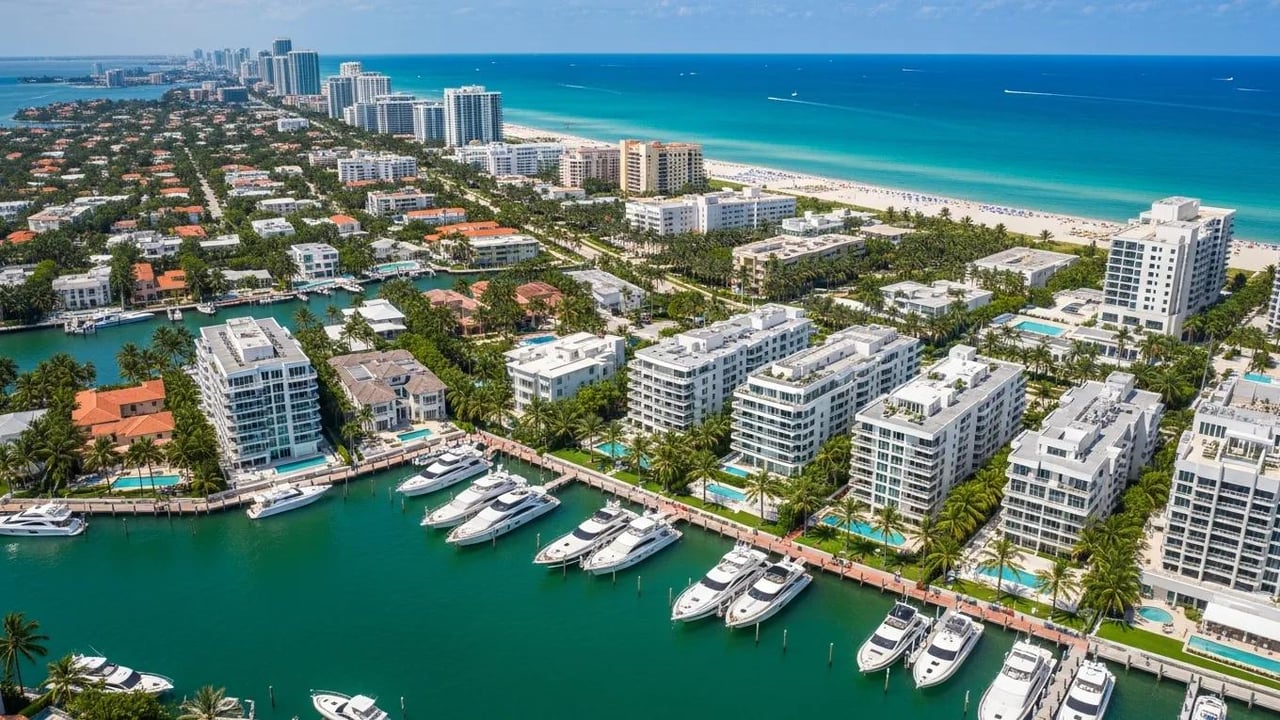
- Miami Beach
- San Francisco
The traditional financial advantage of homeownership is therefore not always guaranteed in the short term.
5. The “Boom After a Crisis” Paradox
One of the most fascinating patterns in real estate is that property markets often experience their strongest growth after economic crises.Economic downturns would normally suggest declining demand and falling prices. Yet real estate markets frequently recover quickly and sometimes surge afterward.
For example:
Following the Global Financial Crisis, property values eventually surged in many global cities. After the COVID-19 pandemic, housing prices increased dramatically across many regions. The reason is that during times of uncertainty, investors often seek stable, tangible assets. Real estate becomes a safe haven for capital, particularly in politically stable regions and major international cities.
A Simple Definition
The Real Estate Paradox can be summarized as:
Situations where real estate prices and demand behave opposite to what traditional economic theory would predict.
Because property markets are influenced by many forces beyond simple supply and demand — including capital flows, migration, regulation, and investor psychology.
Investor Takeaway
Experienced investors often learn to recognize and even benefit from these paradoxes.
Instead of focusing only on traditional indicators such as interest rates or affordability metrics, they pay close attention to broader structural forces such as:
- Supply constraints
- Migration patterns
- Global capital flows
- Tax advantages and regulatory environments
Understanding these forces can help explain why certain markets outperform expectations — even when conventional economic logic suggests they should not.
Like to know more about the Miami Real Estate Paradox? 5 Contradictions that explains Today’s Property Market
If we apply the idea of the Real Estate Paradox to the market in Miami, several of these contradictions become very visible. Miami is actually one of the best real-world examples of how property markets can behave differently from traditional economic theory.
Here are five paradoxes currently shaping the Miami market.
1. Prices Rise Even When Housing Becomes Less Affordable
In a traditional market, rising prices should eventually reduce demand. Yet in Miami, prices have continued to increase even while affordability for local residents has declined. Why?
Because Miami is no longer only a local housing market. It has become an international investment market.
Buyers are frequently relocating from places such as:
- New York City
- San Francisco
- Toronto
- São Paulo
For many of these buyers, Miami real estate still looks relatively attractive compared to prices in their home markets.
2. Empty Units — But Prices Remain High
In several luxury developments across Miami you can still find units that remain vacant for large parts of the year. Economic theory would suggest that empty apartments signal oversupply. But in Miami many properties are not purchased primarily for occupancy or rental income. Instead, they serve as:
- wealth storage
- second homes
- international diversification assets
For global investors, Miami property can function almost like a “real estate bank account.”
3. Higher Interest Rates — But Strong Prices
Normally, rising interest rates reduce purchasing power and slow down the housing market. However, another paradox appeared after the COVID-19 pandemic. Many homeowners refinanced during the low-rate period and now hold mortgages around 2–3%.
As a result:
- many owners do not want to sell
- inventory remains limited
- supply stays tight
Less supply often offsets the impact of higher borrowing costs.
4. Renting Is Sometimes Cheaper Than Owning
Another paradox visible in certain condominium markets is that renting can sometimes be cheaper than owning the same unit.
This happens because ownership costs include more than just mortgage payments:
- insurance costs
- property taxes
- HOA fees
maintenance expenses
In some parts of the Miami condo market, the monthly cost of ownership can exceed comparable rental prices.
5. The Boom After Crisis Paradox
Perhaps the most surprising paradox is that some of the strongest real estate booms occur after periods of economic uncertainty. Following the Global Financial Crisis, Miami eventually experienced a major real estate recovery.
After the pandemic, the market accelerated again. Why?
Because during uncertain times, many investors seek tangible assets in stable locations — and Miami has increasingly become one of those global destinations.
The Bigger Picture
The Miami market today is influenced by forces that go far beyond traditional local housing demand:
- international capital flows
- domestic migration
- tax advantages
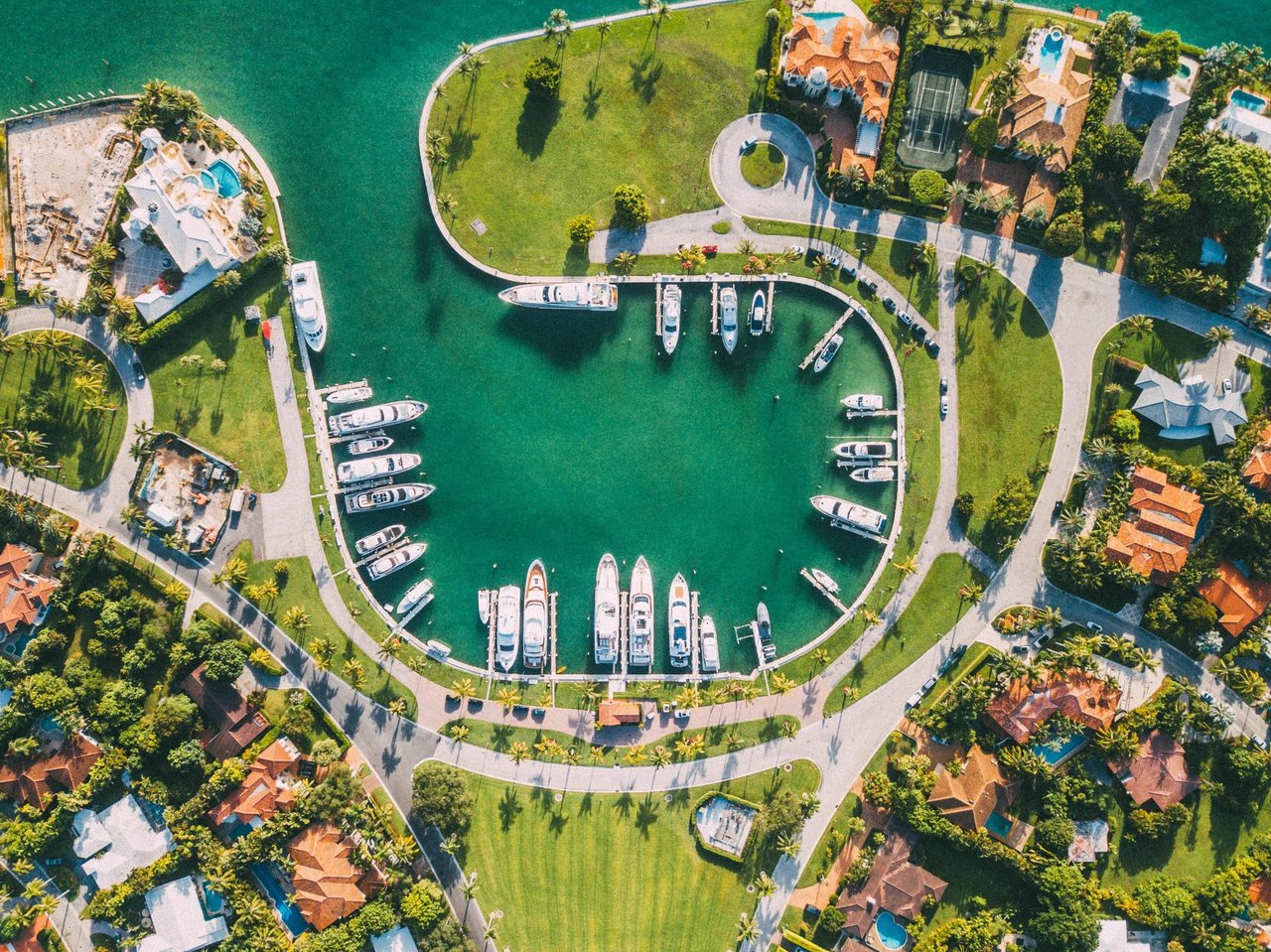
- limited waterfront land
- lifestyle demand
These factors often create market behavior that appears paradoxical when viewed through traditional economic models.