Market Watch
Some Florida condo owners are opening envelopes with six-figure special assessments inside them, and monthly HOA fees that have doubled in the space of a year. It isn't random. It's the direct result of reserve and inspection laws written after the Surfside collapse — and it's reshaping which buildings are worth buying into.
What's Actually Happening
Why the Bills Are Landing Now
Since the 2021 Champlain Towers South collapse in Surfside, Florida has required condo associations to complete structural milestone inspections at set building ages and to fully fund reserve accounts for major repairs — no more voting to waive reserves to keep monthly fees artificially low, which many older associations had done for years. That law is now colliding with buildings that spent decades underfunding maintenance. The result: associations are being forced to raise the money all at once.
The dollar figures involved are no longer theoretical. At the Cricket Club in North Miami, owners have faced special assessments reported as high as $134,000 per unit. At Mediterranean Village in Aventura, assessments have reportedly reached $400,000 per unit. Across Miami-Dade, the insurance component of condo fees alone now averages around $377 a month, on top of everything else, and combined monthly fees in some buildings now exceed $2,000. Miami-Dade condo fees overall have risen roughly 59% over five years — not a one-time spike, but a sustained climb.

The Financing Side
It's Not Just the Bills — It's Whether You Can Get a Mortgage
The Fannie Mae / Freddie Mac Ineligibility List
Buildings with underfunded reserves, unresolved deferred-maintenance findings from a milestone inspection or Structural Integrity Reserve Study, per-unit insurance deductibles above set thresholds, or litigation affecting the association's finances can be placed on Fannie Mae's and Freddie Mac's condo ineligibility list — meaning conventional mortgages backed by them are no longer available for units in that building.
As of the most recent published data, roughly 1,438 Florida associations were on that list — about 28% of the national total — with an estimated 696 of those concentrated in Miami-Dade, Broward, and Palm Beach counties alone. That South Florida count has reportedly more than doubled over the past two years.
Figures as reported by industry and news coverage of Fannie Mae/Freddie Mac condo project standards; I'd confirm a specific building's current status directly before relying on it in a transaction.
Being on the list doesn't make a unit unsellable — FHA loans, portfolio loans through certain banks, and cash buyers can still close. But it removes the largest pool of available financing, which measurably shrinks the buyer pool and puts downward pressure on price. For a seller in an older building, that's a real cost even before any assessment notice arrives.
The Distinction That Matters
Why Age of Building Is Now a Financial Question, Not Just an Aesthetic One
Here's the part that doesn't always make the headlines: this is overwhelmingly a story about older buildings that deferred maintenance for years before the law forced a reckoning. For a buyer today, that makes a building's age and reserve status a financial due-diligence item, not just a taste preference. I walk every buyer through a building's reserve funding status and any pending assessments before they get attached to a unit — it's one of the first questions I ask on their behalf, not an afterthought.
Why New Construction Isn't Exposed to This
The Full Explanation — Not Just "It's Newer"
"New construction is safer" isn't a marketing line here — it comes down to specific mechanics in how Florida's post-Surfside laws actually work, and how new buildings are financed and insured differently from day one.
- The reserve study happens at turnover, not decades later. Current Florida law requires a Structural Integrity Reserve Study (SIRS) at developer turnover — the point where control of the association passes from the builder to the unit owners. A brand-new building doesn't get a multi-decade grace period before its reserves are assessed; the study, and full funding based on it, starts essentially immediately.
- The reserve-waiver loophole that created this crisis is closed. The pre-Surfside system let associations vote year after year to waive or underfund reserves to keep monthly fees low — that's precisely how so many older buildings arrived at a sudden six-figure bill decades later. That waiver option no longer exists the same way for the reserve items SIRS covers, so a new association can't quietly repeat that pattern.
- New buildings are constructed to the current Florida Building Code, which is significantly more stringent on wind, water intrusion, and structural durability than code from even 15–20 years ago. That reduces the odds of the kind of concealed structural issue that trigger the worst assessments, and it often qualifies the building for wind-mitigation insurance credits that older buildings can't claim without expensive retrofits.
- The Fannie Mae/Freddie Mac blacklist criteria describe an older building's failure mode, not a new one's starting point. Underfunded reserves, deferred-maintenance findings, and unresolved litigation are things that accumulate over years of a board's decisions. A new building starts with full reserve funding under current law and no maintenance backlog or litigation history — it isn't structurally positioned to trip those same flags in its early years.
- Florida law also provides buyer protections that only apply to new construction — statutory implied-warranty coverage from the developer for a period after completion, which simply doesn't exist for a resale unit that's already 30 or 40 years old and long past any such coverage.
None of this means a new building is risk-free forever — every building eventually ages into its own future reserve and inspection cycle. It means a new building is starting that clock today, under a legal framework built specifically to prevent the failure pattern playing out in older buildings right now, rather than inheriting decades of decisions made under the old, weaker rules.
Where New Construction Stands Today
Featured Developments Built Under the Current Standard
These are three of the developments I'm actively showing right now — each fully subject to current reserve and structural requirements from the ground up:
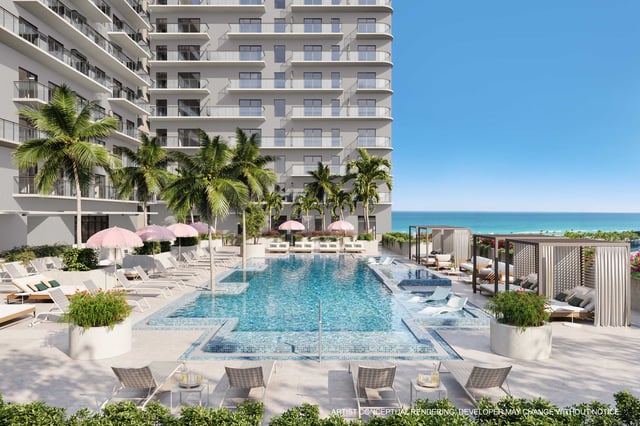
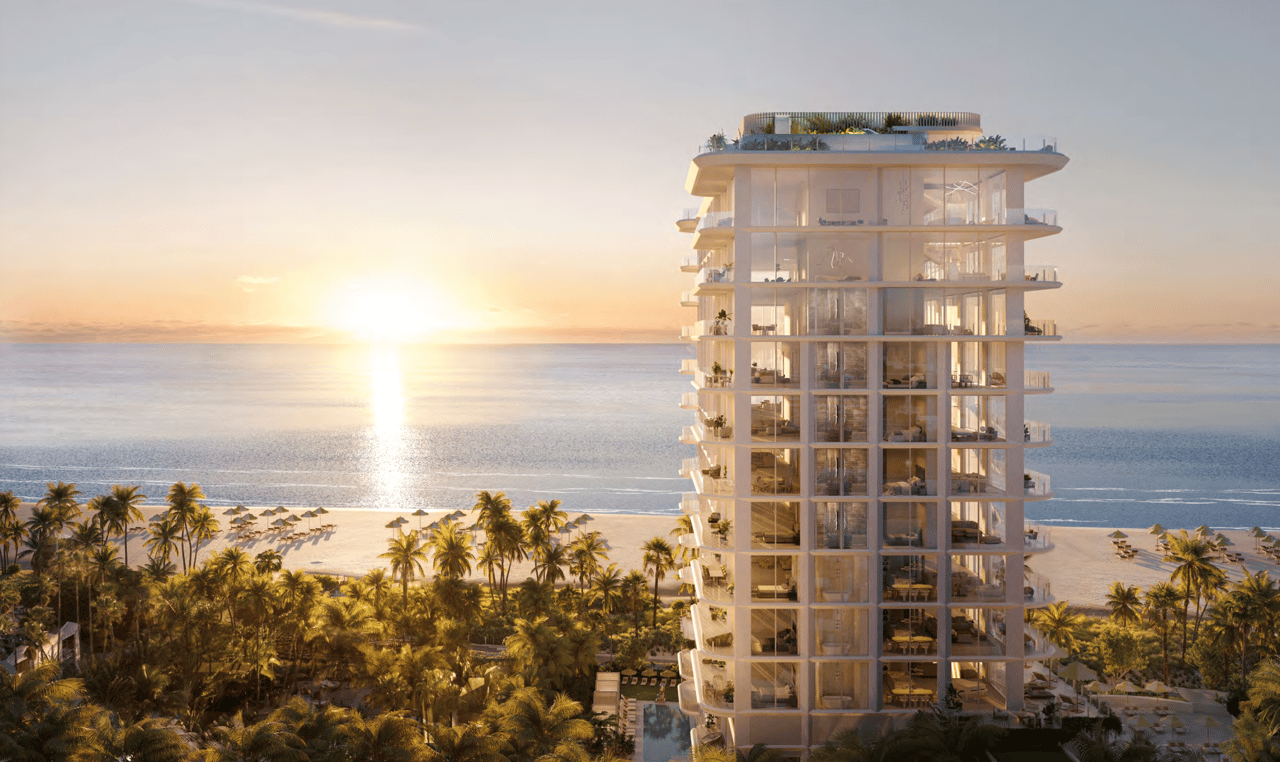
232 residences, built to current code and reserve standards from the outset — no legacy deferred-maintenance exposure.

New-construction wellness residence with fully funded reserves built into the ownership structure from day one.
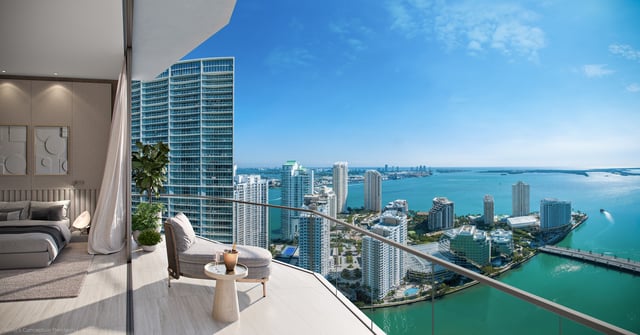
Hotel-grade infrastructure and current structural code, in a market where financing scrutiny on older buildings is only increasing.
See the full slate of active projects on our New Developments page.
The Shift
"Which building?" now matters
as much as "which neighborhood?"
What This Means for You
If You're Buying — or Already Own — an Older Unit
- If you own in an older building, ask your association directly for its most recent structural inspection report, SIRS findings, and current reserve funding percentage — don't wait for a special-assessment notice to find out where things stand.
- If you're shopping, treat reserve status, inspection history, and Fannie Mae/Freddie Mac eligibility as seriously as square footage and view — a lower list price on an underfunded building can turn into a far larger total cost, and a financing restriction can complicate your own exit later.
- If you're considering selling an older unit, understand that buyers and their lenders are asking these questions earlier in the process now than they were even two years ago.
Not Sure Where a Building Stands?
I review reserve funding, inspection status, and lender eligibility for every building I show — before you fall in love with a unit, not after.