Neighborhood Guide
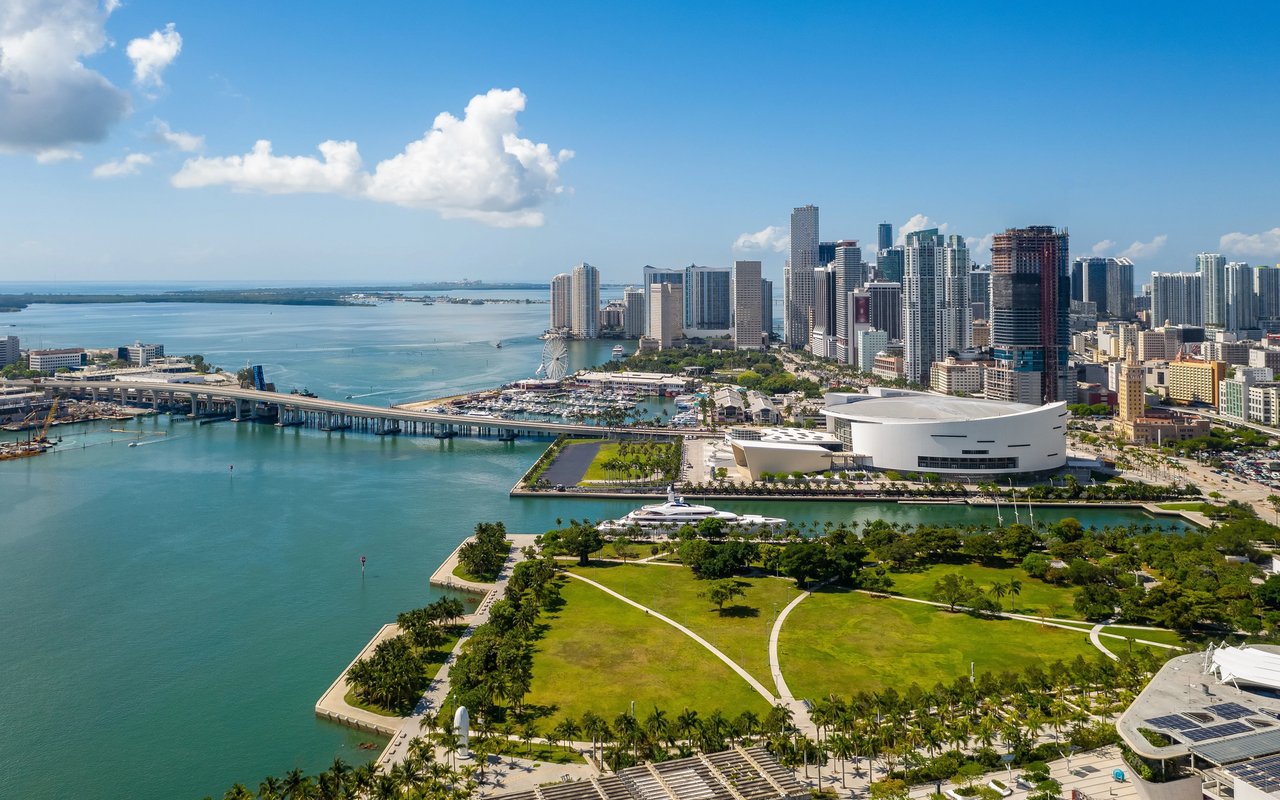
Brickell and Downtown sit right next to each other — close enough that our own neighborhood guide covers them together — but they're not interchangeable once you're actually living or investing there. Here's the real difference, with numbers, not just vibes.

The Numbers
What You Actually Pay, and What You Actually Earn
From a recent Brickell vs. Downtown investor comparison
Brickell carries the premium — median listing prices run roughly $715,000–$734,500, against $649,000–$693,000 in Downtown, a gap of about $50,000–$85,000. Brickell also commands higher rents (studios around $2,420, one-bedrooms around $3,300, two-bedrooms around $3,923), but on a rough gross rent-to-price basis the two neighborhoods land close together — Brickell around 6.2%, Downtown around 6.0%. Downtown skews more renter-occupied (roughly 81% vs. Brickell's 75%), reflecting its dense day-time job base, and currently has noticeably more inventory on the market — meaning more room to negotiate and compare.
Figures as reported by Fajer International Realty's investor comparison. I'd re-pull current listing and rent comparables on any specific building before using these for a purchase decision — averages move.
The Real Distinction
It's Not Price — It's What Each Neighborhood Is Actually For
Brickell is Miami's financial core with a genuinely residential layer built on top of it — Mary Brickell Village and Brickell City Centre give it walkable retail and dining that feels like a neighborhood, not just an office district, and its buyer base skews toward people who work in finance, law, or tech and want to live minutes from where they work. Downtown, historically more government and institutional, has been reshaping itself hard around Miami Worldcenter and a wave of newer residential towers — it's earlier in that transformation than Brickell, which is exactly why it's currently the more basis-conscious entry point with more inventory to choose from.
The Honest Read
Brickell is the established premium.
Downtown is the neighborhood still writing its next chapter.
Who Actually Fits Where
Match the Neighborhood to Your Actual Priority
Priority | Better Fit |
|---|---|
Lowest entry price, most inventory to compare | Downtown |
Established walkable retail and dining today, not in a few years | Brickell |
Highest achievable rents in absolute terms | Brickell |
Comparable yield at a lower basis | Downtown |
Betting on continued neighborhood transformation | Downtown |
Buying into a proven, already-arrived urban core | Brickell |
A Correction Worth Making
Where Miami Worldcenter Actually Sits
Worth being precise here: Miami Worldcenter isn't geographically between Brickell and Downtown — Brickell sits south of Downtown's core, while Worldcenter sits in Park West, just north of Downtown's Central Business District. But it's absolutely part of this conversation, because it's the newest, fastest-changing piece of the same urban corridor, and it's reshaping what "Downtown" even means as a buyer proposition.
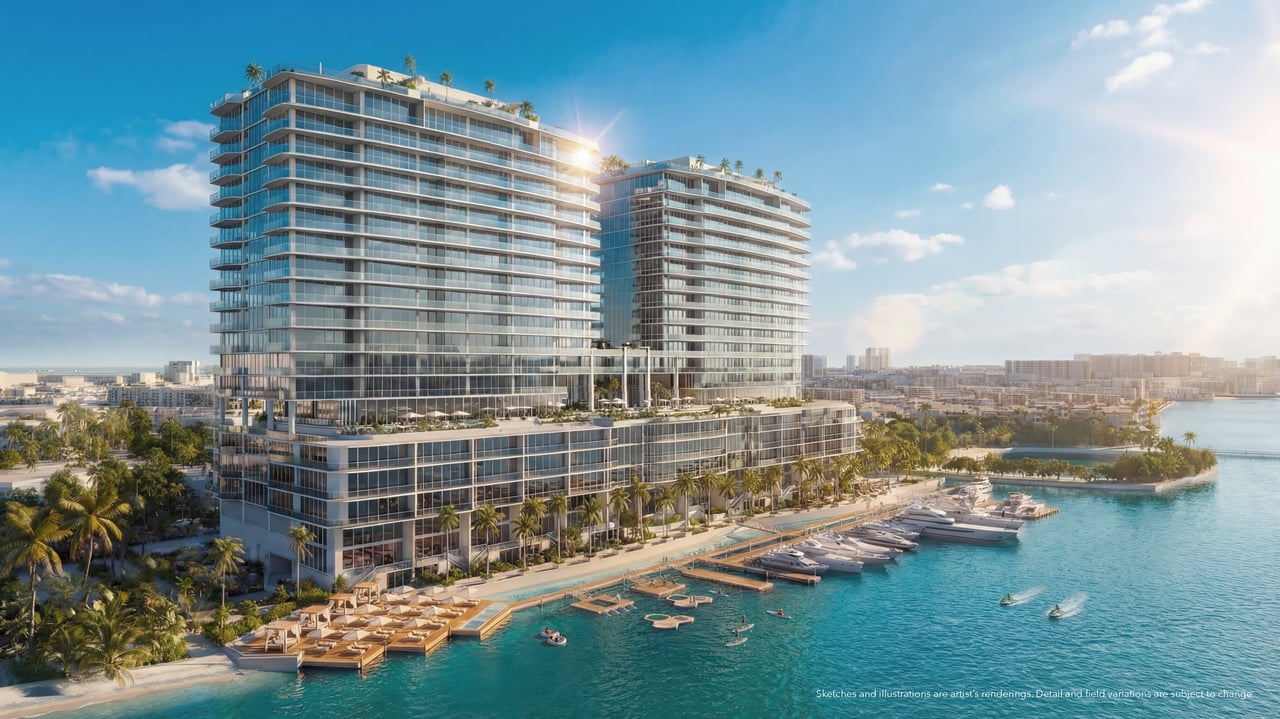
Miami Worldcenter is a roughly 27-acre, ten-block development spanning the Park West neighborhood. It's already delivered several residential towers — Paramount Miami Worldcenter, Bezel, Flow House/Caoba, and Miami World Tower I — along with a CitizenM hotel and an open-air retail district anchored by names like Macy's and Bloomingdale's, with more towers like 600 Miami Worldcenter and The JEM currently under construction. For a buyer, it functions as a newer, more master-planned alternative within Downtown's broader footprint — generally new construction, generally priced at a premium to Downtown's older resale stock, and still very much a neighborhood in the process of arriving rather than one that's fully arrived.
Getting Around
Commute: What Living in Either Neighborhood Actually Looks Like

This is where Brickell, Downtown, and Worldcenter genuinely share an advantage over most of Miami: all three sit on or near the free Metromover, an automated elevated people-mover that loops through both neighborhoods (and up into Worldcenter/Park West) from 5am to midnight, at no cost, connecting to the Metrorail and Metrobus systems. For a resident who works in either neighborhood, it's realistically possible to live car-free.
- Within the corridor: Metromover connects Brickell, Downtown, and the Arts & Entertainment District/Park West (where Worldcenter sits) directly — a genuinely useful commute if you work in one and want to live in another.
- Regional rail: Metrorail offers express service at peak hours and reaches Miami International Airport, Coral Gables, and other parts of Miami-Dade without a car.
- Brightline / MiamiCentral: The regional high-speed rail station sits in Downtown itself, with direct service to Fort Lauderdale, West Palm Beach, and Orlando — a real advantage for Downtown and Worldcenter residents over Brickell, which doesn't have its own Brightline stop.
- Airport and highway access: Both neighborhoods sit close to I-95 and are a short, traffic-dependent drive from Miami International Airport — generally 15–25 minutes outside of peak congestion.
Worth Knowing
Downtown residents get a Brightline station
a few minutes' walk from home. Brickell residents don't.
Explore Both
Full Neighborhood Details
Both neighborhoods are covered together in our full guide — see current listings, market data, and everything else on the Brickell & Downtown Miami page.
Bottom Line
Which One Should You Actually Choose?
If you want the proven urban core with the most established amenities and the strongest absolute rents, Brickell is worth the premium. If you're basis-conscious, want more room to negotiate, and are comfortable buying slightly ahead of a neighborhood's full transformation, Downtown's numbers currently make a genuinely competitive case — at a real discount, with a similar yield. Tower-by-tower diligence matters more than the neighborhood average either way, which is exactly the kind of comparison worth doing before you commit to either one.
Deciding Between the Two?
I can pull current comparables in both neighborhoods, building by building, against your actual budget and goals.